


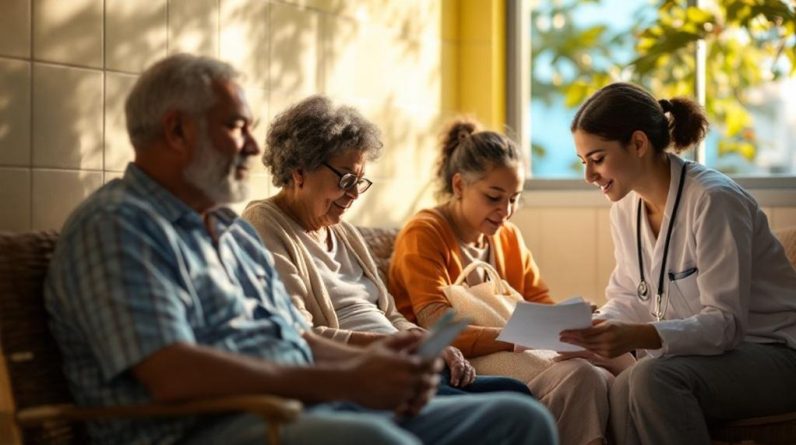
I stand between clinic fluorescents and my grandmother’s simmering kitchen, counting blood pressure cuffs like rosary beads. You and I know illness doesn’t arrive alone; it travels with shift work, rent, and the language of our mothers. I trace family maps—wrists, ankles, recipes—where sugar hides in celebrations and breath tightens in crowded rooms. Promotoras knock softly; data hums louder. I’m ready to braid the numbers with our stories, if you’ll walk with me to the next door.
Main Points
- Chronic conditions like diabetes, hypertension, and asthma cluster early in Latino families due to genetics, environment, and structural barriers.
- Access gaps—language, cost, transportation, clinic hours—delay diagnosis, complicate medication adherence, and worsen outcomes.
- Family and community networks provide powerful care: shared rides, translated visits, pooled funds, and mutual aid to sustain treatment.
- Culturally responsive prevention blends medical guidance with traditions: promotora-led education, adapted recipes, walking groups, and home monitoring.
- Policy solutions—language access, Medicaid continuity, paid leave, and housing security—reduce disparities and improve chronic disease management.
The Landscape of Chronic Illness in Latino Populations
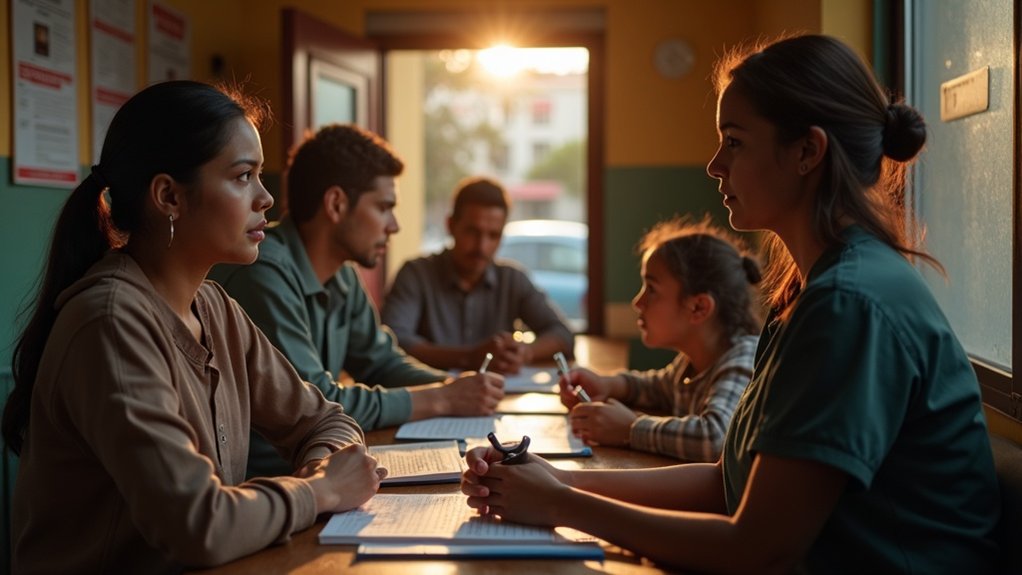
How did we inherit a map where the body mirrors the land—mountains of blood pressure, rivers of sugar, lungs holding storms? I trace its contours across kitchen tables where abuelas fold tortillas like quiet prescriptions. In my family album, cholesterol gleams like altar candles; joints creak like old gates; asthma whistles through nights thick with prayer. I read patterns: early onset, clustered diagnoses, the subtle choreography of fatigue, thirst, and breath.
I won’t romanticize symptoms. I catalog them—hypertension’s steady climb, diabetes’s silent negotiations, heart disease’s stubborn drum, cancer’s cryptic signatures. I measure what repeats, what resists. Still, I listen for resilience: walking groups at dawn, recipes rewritten, pills aligned like chess pieces. I map trajectories, then choose counterroutes, crafting daily rituals that turn prognosis into practice.
Cultural and Structural Drivers of Health Disparities
Even as I count pills and footsteps, I can’t ignore the older machinery humming beneath our skin: stories inherited like deeds, borders etched into clinic hours, zip codes that script our blood. I learned to read lab results the way my abuela read clouds—omens of policy weather. You and I navigate corridors where language slips, co-pays rise like stubborn moons, and work schedules refuse to bend.
I trace causes with clinical precision and familial memory. Consider the engines that keep disparities running:

1) Insurance tethered to precarious labor, turning access into a lottery.
2) Food and housing markets shaping metabolism as surely as DNA.
3) Linguistic and legal shadows narrowing choices, delaying care.
I won’t romanticize constraints; I’ll name them, measure them, and demand structural repair.
Strengths, Family Networks, and Community Resilience
The same forces that ration care can’t extinguish what we carry in our bones: a stubborn light passed from kitchen tables to waiting rooms. I’ve watched that light braid generations—abuelas whispering glucose numbers like prayers, cousins mapping rides to clinics, uncles translating lab reports into hope. Our stories migrate faster than symptoms: recipes rewritten with less salt, remedies tempered by evidence, laughter dosing the room.

I lean on kin networks that function like capillaries—small, numerous, always delivering. When crisis knocks, a phone tree blooms; casseroles and blood pressure cuffs arrive together. Neighborhoods become living archives where resilience isn’t rhetoric but choreography: rotating childcare, pooled dollars, shared calendars. You and I inherit a discipline of mutual aid, a rigorous tenderness that turns burden into blueprint.
Culturally Responsive Prevention and Care Strategies
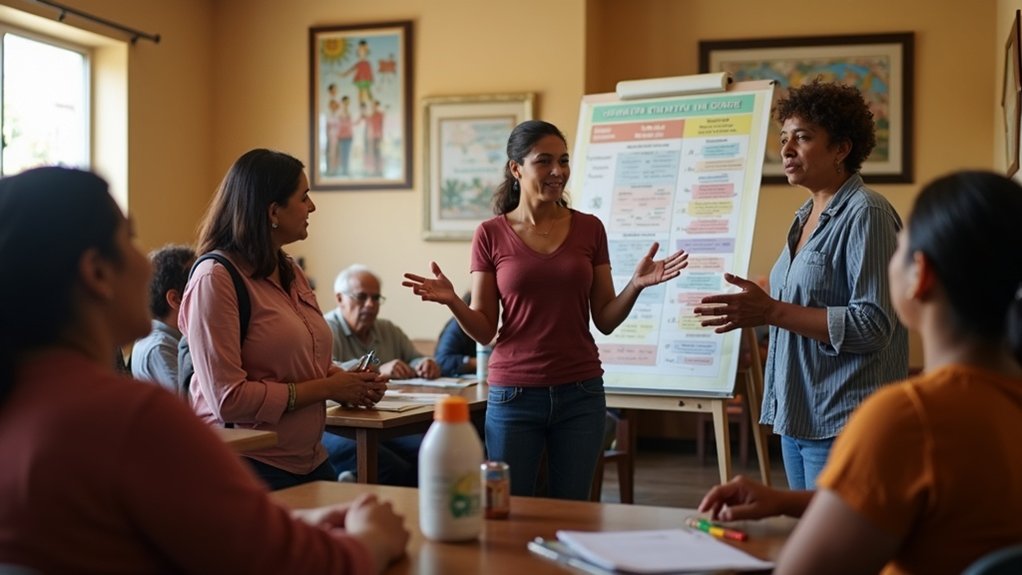
Because medicine listens better when it learns our mother tongues, I begin prevention like a blessing—names of herbs and ancestors in the same breath, clinic doors opened with stories. I map symptoms alongside recipes, measure blood pressure between lullabies, and fold lab results into family calendars. You and I make care plans that honor saints and science, tamales and telemetry, fasting glucose and feast days.
I teach habits through ritual, not reprimand, because rituals endure. With promotoras, I translate biochemistry into kitchen wisdom and neighborhood routes. I track outcomes like genealogies, precise and tender, so each visit becomes another branch of healing.
1) Tailor diet to tradition: spice for sodium, beans for fiber, plates for proportions.
2) Anchor movement in music and chores.

3) Weave medications into daily rites.
Policy, Advocacy, and Paths to Sustainable Equity
How do we turn clinic whispers into laws that carry our names like lullabies? I start by mapping power like constellations: city councils, statehouses, federal corridors. I gather testimonies—abuela’s glucose logs, a cousin’s night shifts, my own bloodwork—then translate pain into policy briefs with citations sharp as obsidian. I don’t petition alone; I braid coalitions, unions, promotoras, clinicians, and data scientists, so our proposal walks on many legs.
We demand durable pillars: language access mandates, Medicaid continuity, paid leave, protected housing, green corridors, and research funding that respects our heterogeneity. I track implementation like a genealogist, following each ordinance into budget lines and clinic workflows. When officials stall, I escalate—hearings, media, litigation. Equity isn’t a grant; it’s inheritance stewarded, audited, renewed.
Frequently Asked Questions
How Do Immigration Status Concerns Affect Seeking Care for Chronic Conditions?
Immigration fears delay care: I weigh clinics like border crossings, avoid forms, postpone labs, endure pain. I choose urgent rooms over prevention, hide medicines, mistrust systems. You see it—stress thickens blood, isolation silences symptoms, and appointments vanish like migrating birds.
What Role Do Traditional Healers Play Alongside Biomedical Treatment?
Like twin rivers, traditional healers complement biomedical treatment by tending spirit, lineage, and ritual while I coordinate evidence-based care. I bridge remedies, translate symbols into adherence, and invite you to harmonize curanderismo with clinics for sustained, culturally resonant outcomes.
How Can Remittance Obligations Impact Medication Adherence and Follow-Ups?

Remittance obligations can siphon scarce cash, so I might skip refills, delay labs, or miss appointments. Yet I’ll juggle calendars, coupon codes, and kinship promises, threading adherence like a silver strand through storms of duty, love, and survival.
Are There Digital Health Tools Tailored for Spanish-Dominant Older Adults?
Yes—MiSalud, TíoCare, and Unite Us offer Spanish-first telehealth, reminders, and care navigation. I see them like luminous saints in pocket-altars, guiding abuelas through portals of labs, refills, and follow-ups with culturally fluent, privacy-safe grace.
How Do Mixed-Status Families Navigate Insurance Eligibility for Chronic Care?
You weave eligibility by anchoring a lawfully present member to sponsor coverage, parsing Medicaid/CHIP, marketplace subsidies, and hospital charity care, while safeguarding undocumented kin. I’d map documents, verify state rules, appeal denials, and braid community clinics into continuous chronic care.
Read The Next Blog Post –
I leave you with this: in our sprawling family of cities and deserts, nearly 1 in 2 Latino adults will face diabetes or prediabetes, a coin tossed across generations. Yet I’ve watched abuelas turn tortillas into medicine, promotoras braid science into stories, and cousins trade night shifts for sunrise walks. The body is a neighborhood; each heartbeat knows its address. If we listen—really listen—our kitchens, plazas, and clinics can conspire to turn risk into ritual, and ritual into healing.


