When my aunt skipped her check-up because there was no interpreter, I saw how small barriers become big health risks. I’ve learned inequities often start with low wages, unsafe housing, and clinics that don’t fit our culture. I keep records, ask for second opinions, and seek promotoras and FQHCs that listen. But that’s only the start—because the real shift happens when we push systems to change, and here’s how it begins.
Main Points
- Recognize root causes: low wages, unsafe housing, limited translators, and discrimination-driven stress that elevate hypertension, diabetes, and exposure risks.
- Use system rights: request free interpreters, copies of records, second opinions, and document names, dates, and decisions to ensure accountability.
- Practice prevention: schedule annual checkups and screenings; track blood pressure, A1C, cholesterol, vaccinations; follow healthy diet, exercise, and medication plans.
- Activate community power: engage promotoras, FQHCs, faith leaders, and legal aid; hold small circles to practice navigation and understand lab results.
- Drive policy change: testify, submit comments, build coalitions, track budgets, and demand Medicaid expansion, bilingual prevention funding, and equity audits.
Understanding the Root Causes of Inequities
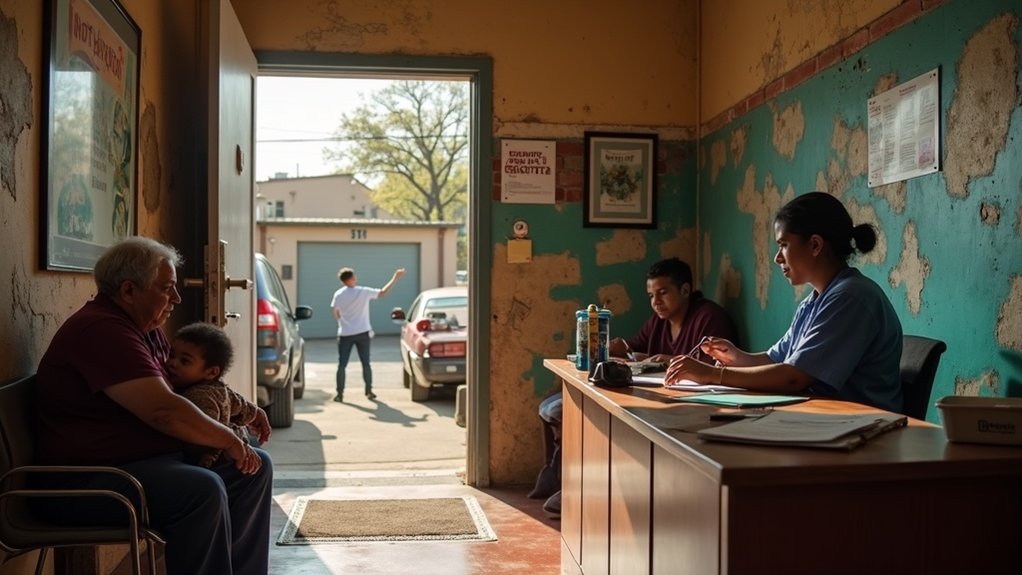
Even when the data feels abstract, health inequities trace back to concrete forces that shape our daily lives. I trace patterns: wages that don’t match the cost of living, housing near highways or pesticides, schools without nurses, clinics without translators, and policies that ration opportunity. These aren’t accidents; they’re the architecture of exposure and access.
I examine mechanisms. Chronic stress from discrimination shifts cortisol, fueling hypertension and diabetes. Food deserts constrain choices, while predatory marketing floods corners with ultra-processed calories. Limited transportation stretches a checkup into a day’s lost pay. Documentation fears chill eligibility, even when programs allow it. Environmental burdens cluster by ZIP code, not biology.
When I connect these dots, inequity stops looking inevitable and starts looking engineered—therefore, changeable through collective, evidence-driven action.
Navigating the Healthcare System With Confidence
I exercise rights: interpreter services at no cost, copies of records, second opinions, privacy. I document names, dates, and decisions; written notes deter confusion. If bias appears, I redirect to facts, escalate to the patient advocate, or file a grievance.

I leverage community assets: federally qualified health centers, promotoras, legal aid for coverage denials. When I leave a visit with next steps, contacts, and timelines, I’ve transformed uncertainty into control.
Preventive Care and Chronic Disease Management
Having learned how to speak up and chart a clear plan after each visit, I put that same energy into staying ahead of illness. I schedule annual checkups, dental cleanings, eye exams, and age-appropriate screenings. I track blood pressure, A1C, cholesterol, BMI, and vaccinations, then set targets with my clinician.
I use food, movement, and sleep as daily medicine. I prioritize fiber, lean proteins, legumes, vegetables, and minimal added sugar; I limit alcohol and stop smoking. I train with aerobic intervals and strength work, then stretch to protect joints. For chronic conditions, I adhere to medications, confirm refills, and review side effects. I monitor home data, note trends, and bring logs to appointments. I ask for culturally relevant education, transparent metrics, and clear follow-up steps.
Building Culturally Competent Community Support
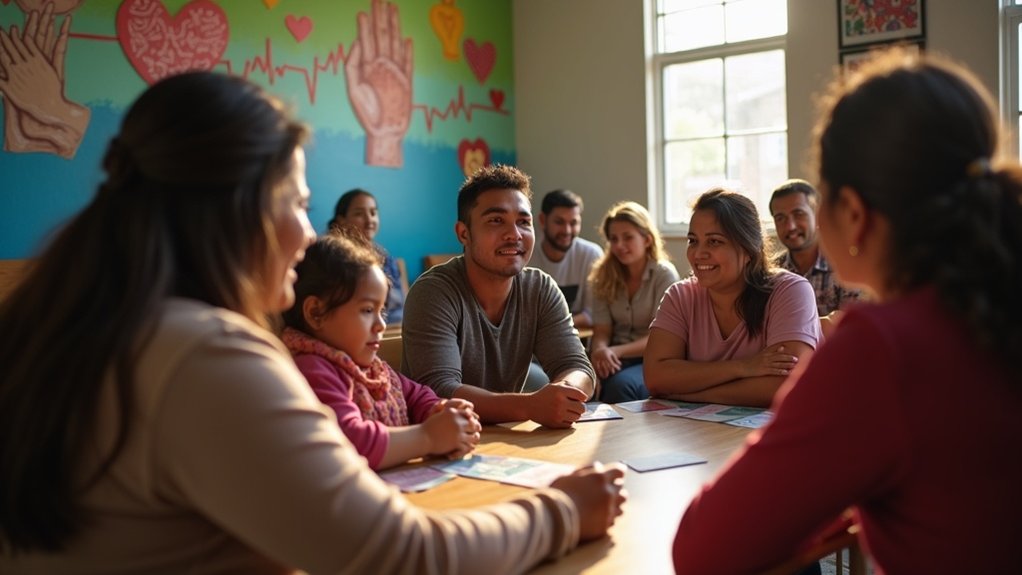
How do I turn personal progress into collective strength? I start by listening. I ask elders, promotoras, and youth what care feels safe, dignified, and useful. Then I map assets: bilingual clinicians, faith leaders, neighborhood kitchens, WhatsApp groups, barbershops. I convene small circles where we practice health navigation, decode lab results, and role‑play doctor visits. I normalize questions, consent, and second opinions. I train peer mentors to track follow‑ups, accompany appointments, and translate without erasing nuance.
I create materials that honor idioms and foodways, not just vocabulary. I measure what matters: blood pressure trends, medication adherence, missed‑visit reduction, and trust. I close feedback loops fast. I protect data privacy. I celebrate wins publicly and share failures candidly. Together, we make culturally competent support reproducible, scalable, and resilient.
Advocating for Policy and System-Level Change

Why step beyond clinic walls into city halls and boardrooms? Because structural forces script our outcomes. I press for policies that expand Medicaid, fund bilingual prevention, and enforce data disaggregation so our realities aren’t blurred into averages. I testify, submit public comments, and meet legislators with evidence and stories. I build coalitions with labor, educators, and faith leaders to align health with housing, wages, and transit.
I track budgets, because line items reveal priorities. I push for community health workers’ reimbursement, sanctuary policies in care settings, and paid sick leave. I use metrics—avoidable hospitalizations, maternal morbidity, coverage gaps—to benchmark progress and expose inequity. I hold systems accountable through procurement standards, board representation, and equity audits. Together, we convert moral clarity into durable statute.
Frequently Asked Questions
How Can Latinos Find Affordable Mental Health Services in Spanish?
Start with bilingual directories like Psychology Today’s Spanish filter, Open Path, and SAMHSA’s helpline; I search sliding-scale clinics, community health centers, and university training sites. Ask employers, churches, and mutual-aid networks. Confirm telehealth, licensure, and cultural competence.
What Legal Rights Protect Undocumented Patients Seeking Medical Care?
You’re protected by EMTALA for emergency care, HIPAA privacy, and Title VI nondiscrimination; providers shouldn’t ask status. I’d document everything, bring an advocate, and assert consent rights—like wielding a thunderbolt—while seeking community clinics and medical-legal partnerships for backup.
Which Telehealth Platforms Best Serve Rural Latino Communities?
Doximity Dialer, Amwell, and Zoom for Healthcare serve rural Latino communities best, especially with low‑bandwidth modes, Spanish support, interpreter integration, and SMS links. I’d prioritize SMS workflows, offline-friendly education, device lending, and community health worker onboarding to maximize adoption.
How Do Traditional Remedies Safely Interact With Prescribed Medications?

They can clash spectacularly—or harmonize beautifully—depending on dose, timing, and metabolism. I cross-check herb-drug interactions, disclose everything to clinicians, stagger dosing, watch for side effects, and adjust quickly. When uncertain, I pause the remedy and consult a pharmacist.
Where Can Families Access Bilingual Health Insurance Navigators Online?
You can find bilingual health insurance navigators at Healthcare.gov’s Find Local Help, local community health centers via FindaHealthCenter.hrsa.gov, UnidosUS navigator directories, state marketplace sites, and 211.org. I recommend scheduling consultations, comparing certifications, and verifying language proficiency.
Read The Next Blog Post –
I’ve seen change when we act together. Think of Marisol, a janitor with asthma who brought a promotora to her clinic, requested an interpreter, and joined her FQHC’s board. She pushed for bilingual reminders and cleaner housing inspections; ER visits in her building dropped in six months. We can do this too—keep records, ask questions, seek second opinions, and organize across schools, faith, and labor. Our voices, united and persistent, turn disparities into accountability and health.