


I sit with you in a small exam room where the air hums like a held breath, and I hear how your sadness wears the mask of chest tightness, headaches, a back that won’t surrender. In our world, saying me duele is safer than saying I’m drowning. The body speaks where the tongue hesitates, and doctors chase numbers while the heart hides. Still, there’s a quiet door we can open, if you’re willing to notice where it creaks.
Main Points
- Depression often speaks through the body in Latino adults, with headaches, chest tightness, and fatigue replacing overt sadness.
- Cultural norms favor “me duele” to seek support without stigma, translating grief into physical complaints.
- Primary care may miss depression when vitals and labs are normal; track tempo shifts in sleep, appetite, and pain patterns.
- Use culturally attuned screening: plain metaphors, adapted tools, and narratives linking symptoms to migration, faith, and stressors.
- Engage family supports: shared symptom calendars, breath-keepers, movement guardians, and coordinated referrals to social and financial resources.
Understanding Somatization: Why Pain Speaks Louder Than Sadness
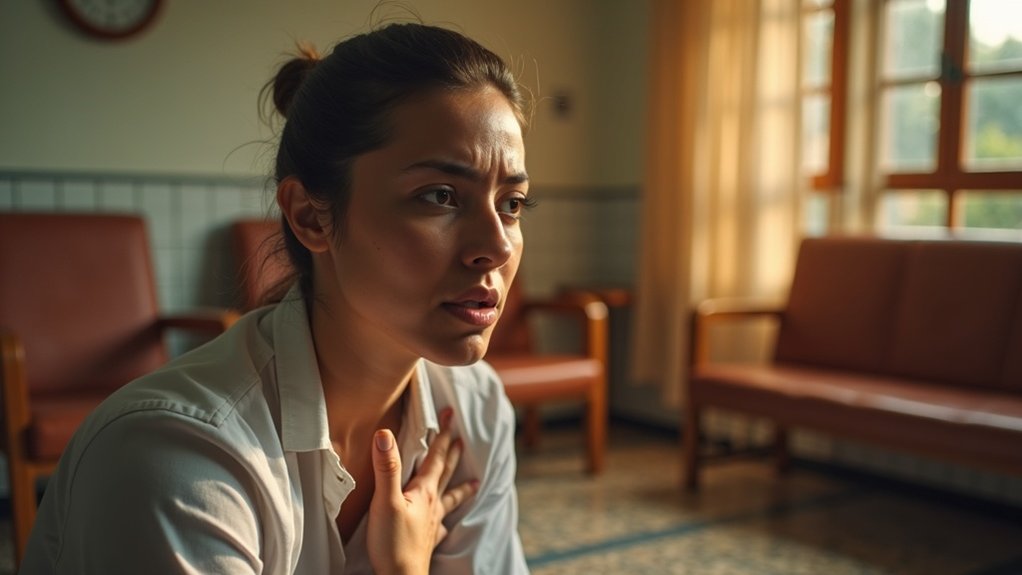
Grief slips into the body like a quiet storm, and I’ve learned to listen where it thunders most: the back, the chest, the gut. Pain speaks when language falters; it’s the body’s syntax for unsayable sorrow. I don’t mistrust it. I translate it.
Somatization isn’t pretend; it’s precision. Nerves script memories, hormones tint perception, muscles hold vigilance like a clenched prayer. When mood sinks, pain circuits amplify, scanning for threat and finding it beneath the ribs. My pulse becomes a metronome for unwept tears; breath shortens to fit a story I won’t tell.
I map sensations as data and omen. I ask: where does the ache begin, what worsens it, what soothes? Naming patterns loosens knots. Attention, practiced steadily, becomes a key; the door opens both ways. And when these sensations linger beyond two weeks or include chest tightness, sleep changes, or looping thoughts, treat the duration as data and use support as disciplined courage to seek intervention.
Cultural Norms, Stigma, and the Language of “Me Duele
How else can I say it except the way my elders taught me—me duele? The phrase slips out like a prayer, a veil, a map. In my family, pain is a dialect of survival; it’s how we speak what can’t be named without shame swallowing the room. You, too, may feel the tug: tell the body’s tale, and the soul stays safe.
- I learned that “me duele” protects dignity; sadness risks judgment, but aches earn casseroles and silence.
- Stigma shapes grammar: we bend emotion into ribs, temples, and backs so no one says we’re weak.
- Our metaphors carry history—colonial scars, church whispers, pride.
- Precision matters: when I say pain, I mean grief’s physics, measured in breath, not confession.

Even as we honor this language of pain, caring for the body can include timely Pap tests and other preventive screenings that protect our future selves.
Missed Signals in Primary Care: Screening Beyond Vitals
A cuff squeezes my arm, the machine hums, and yet the numbers miss the storm threading through my bones. You read systolic, diastolic, pulse—clean decimals on a screen—while my chest translates grief into pressure and my back recites a history of silenced hours. I don’t bleed on labs; I ache in metaphors.
In this room, vitals behave, but I don’t. Pain migrates like a saint’s shadow, lighting candles along nerve paths, petitioning you to ask the uncounted questions. I bring fatigue disguised as hard work, insomnia dressed as vigilance, appetite swallowed by duty. If you chase only thresholds, you’ll miss the choreography: somatic clues looping the same refrain. Listen for tempo shifts—how often, how long, what quiets, what returns—and you’ll hear depression speaking fluent body. And outside this room, recovery strengthens when we build accountability and support—texting small promises at dawn, sharing playlists, and tracking consistency, form, and joy together.
Culturally Attuned Strategies for Clinicians and Care Teams
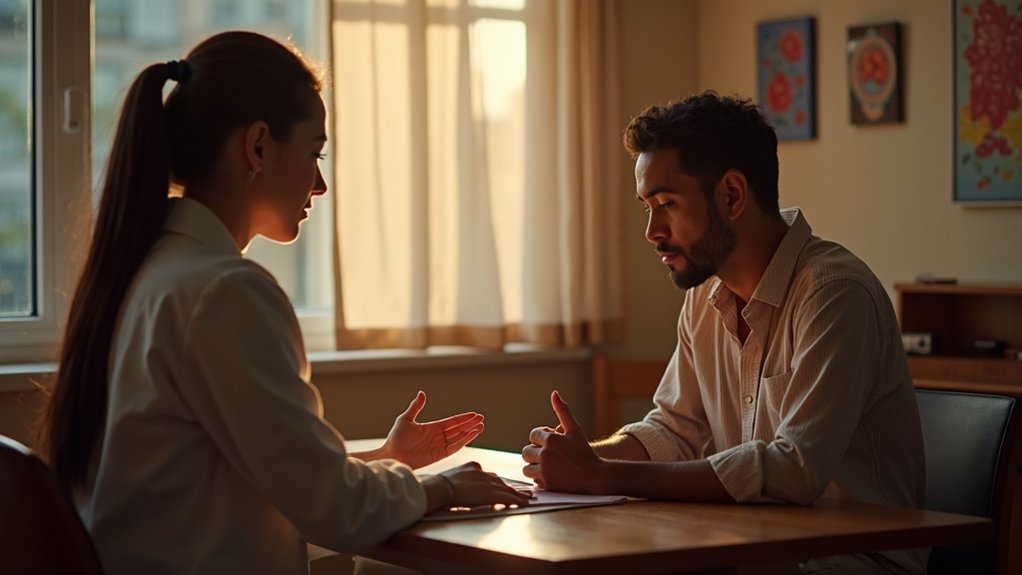
Sometimes the body translates culture before we do, so I enter the room ready to read both pulse and proverb. I greet pain as a messenger with two tongues—one biomedical, one ancestral—and I ask it to sit between us like a candle cupped from wind. You and I negotiate meaning: dolor de espalda may be grief in armor; mareo, a dizziness of unspoken duty. I honor both. I open with culturally concordant language, plain metaphors, and validated tools adapted for idioms of distress. I map symptoms to context—migration, remittances, faith—then revisit differentials without erasing spirit. I use brief, structured narratives: “When did the pain first borrow your breath? What does it protect?” I collaborate across disciplines, align treatment with rituals, and measure outcomes beyond silence. When finances complicate care, I connect patients to community programs and financial literacy resources that ease stress, support education and career moves, and stabilize essentials like housing and insurance.
Empowering Families and Communities to Break the Cycle
Clinicians don’t hold the whole story; I pass the candle to the circle that raised the patient, where abuelas keep remedies beside rosaries and cousins translate aches into errands. I invite them to name the pain aloud, as if calling a stray dog home, then teach them to track patterns—sleep, sugar, silence—on a shared calendar, a family ledger of weather and mood.

I ask one aunt to become the breath-keeper, leading three slow exhalations before meals. I ask a nephew to guard movement—daily walks, hips loosening old grief. We rehearse phrases that dignify struggle: “El cuerpo habla; escuchamos.” We map local sanctuaries—church halls, mercados, barbershops—where stigma dissolves in everyday light. Together we braid ritual with evidence, turning care into a practiced inheritance. To sustain this circle, we keep promises with transparent pricing and accessible help, because family values that build trust and loyalty make support stick beyond the clinic.
Frequently Asked Questions
How Does Immigration Status Impact Access to Depression Treatment?
Immigration status narrows access through fear, cost, and eligibility limits. I see doors half-open: insurance exclusions, language gaps, and deportation shadows. Advocate fiercely—seek sliding-scale clinics, community health centers, confidential hotlines, legal aid—so treatment becomes sanctuary, not a checkpoint.
What Role Do Workplace Policies Play in Seeking Mental Health Care?
They shape access through leave, confidentiality, and insurance. Picture a sundial on a laptop: time bends if policies honor therapy. I feel doors open when stigma’s named, protected time exists, supervisors trained, and benefits cover culturally attuned, trauma-informed care.
Are There Smartphone Apps Culturally Tailored for Latino Mental Health?
Yes—apps like Mindfulness Coach (Spanish), Sanvello, and Latinx Therapy’s directory help. I weave them into rituals, setting reminders like candles, tracking moods as constellations, and sharing stories that honor abuela’s wisdom while mastering evidence-based healing.
How Can Churches or Faith Leaders Support Without Medical Training?
They can listen, name suffering, and weave community. I’d host circles, share evidence-based resources, protect confidentiality, and normalize help-seeking. I’d partner with clinicians, offer crisis contacts, and preach hope—where prayer meets referral, stigma dissolves, and bodies remember their forgotten light.
What Legal Protections Exist Against Mental Health Discrimination?

You’re protected by the ADA, Rehabilitation Act, and state laws prohibiting discrimination, retaliation, and confidentiality breaches. I’d document incidents, request reasonable accommodations, file EEOC or state complaints, and consult counsel—let your rights speak, even when silence feels safer.
Read The Next Blog Post –
I leave you with this: the body is a lantern, and pain is its shy flame. When I press a hand to my chest, I’m knocking on a door sadness won’t name aloud. But you and I can light a small altar—screening, listening, breathing—so the flame doesn’t burn alone. In that shared glow, muscles uncoil, words find water, and the loop loosens. If you hear your bones whisper, answer gently. The lantern isn’t broken. It’s asking to be seen.


