I set the table like a small altar—beans humming with iron, squash bright as marigolds, chicken kissed by lime—while my child stretches in sunlight and Abuela whispers, “Eat color, move with rhythm.” We name feelings like constellations, breathe as if holding a lantern through the dark, and stitch boundaries with forgiveness. Screens hush; salsa footsteps answer. In this house, bodies learn, hearts remember, and a quiet question knocks at the door, asking what comes next.
Main Points
- Build balanced plates: half vegetables, quarter whole grains, quarter protein; include beans, squash, and lean chicken with citrus and olive oil.
- Nurture emotions: name feelings in two languages, use calming breaths, and practice repair with apologies, forgiveness, and regular check-ins.
- Make daily movement playful: sunrise stretches, kitchen salsa, patio sprints; rotate leaders so children guide and elders echo.
- Protect digital well-being: set screen curfews, explain why (eyes, posture, sleep), leash notifications, and use bilingual content with mindful pauses.
- Strengthen community ties: join pláticas, share rides and recipes, access clinics and tutors, and practice reciprocity for resilience.
Building Strong Bodies: Nutrition, Family Meals, and Abuela’s Wisdom
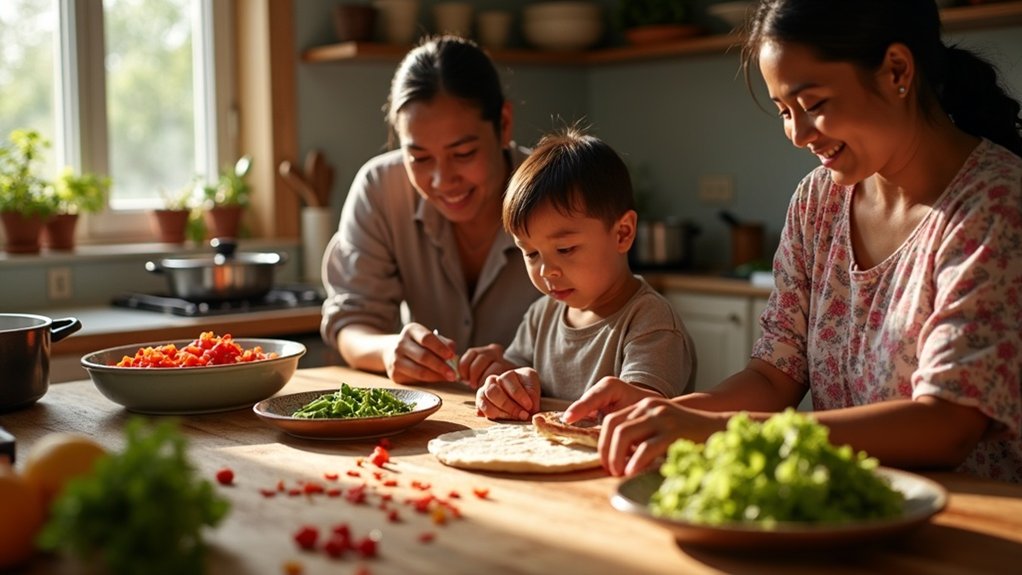
Sometimes, I swear the kitchen hums with ancestors, the steam from a pot of frijoles lifting stories like prayers. I measure cumin by memory, salt by the way my mother’s wrist paused, and you watch, learning precision through scent, sizzle, and patience. We build strong bodies plate by plate: beans for fiber and iron, squash for color and carotenoids, lean pollo kissed by lime for protein that repairs tiny muscles after play.
I plate balance, not restriction—half vegetables, a quarter grains, a quarter protein—then bless it with a squeeze of citrus and a drizzle of olive oil. We eat together, devices asleep, chewing slowly, listening for wisdom in the tortillas’ puff. Abuela’s voice says, “Feed strength, not just hunger,” and I obey.
Nurturing Minds and Hearts: Emotional Health and Culturally Rooted Resilience
How do I teach you that feelings have their own constellations, and we can chart them by candlelight and cuentos? I begin by naming stars: alegría, miedo, vergüenza, esperanza. I show you how breath is a small lantern, steadying storm-dark rooms. When grief visits, we set an extra plate; when joy arrives, we let it sing in two languages.
I carry Abuela’s remedies for the heart: prayers folded into pocket-sized dichos, letters to ancestors, the brave act of asking for help. I translate silence into listening, then into dialogue. We practice boundaries like weaving—tight, then generous—so dignity holds. I model repair: apologies that land, forgiveness with roots. Together, we cultivate resilience as ceremony—ritual check-ins, gratitude inventories, and stories that teach courage without erasing tenderness.
Active Play, Dance, and Outdoor Time: Movement the Whole Family Loves

Where do our bodies learn to sing if not in movement, bajo el sol and under kitchen lights? I invite you to lace the day with motion—walks that map our barrio like a heartbeat, juegos that sharpen balance and joy, baile that braids breath with memory. I learned cadence from abuela’s steps, her huaraches whispering strategy: warm up the joints, listen to feet, count the drum of the earth.
I set rituals: sunrise stretches, patio sprints, salsa while simmering frijoles. We rotate roles—child leads, elder echoes—so mastery becomes communal. We measure progress in steadier ankles, longer exhales, brighter ojos. When rain arrives, we dance storms into stories, then step outside when it clears to harvest puddle-laughter, calves awake, spirits aligned with sky.
Smart Screens: Boundaries, Bilingual Learning, and Digital Well-Being
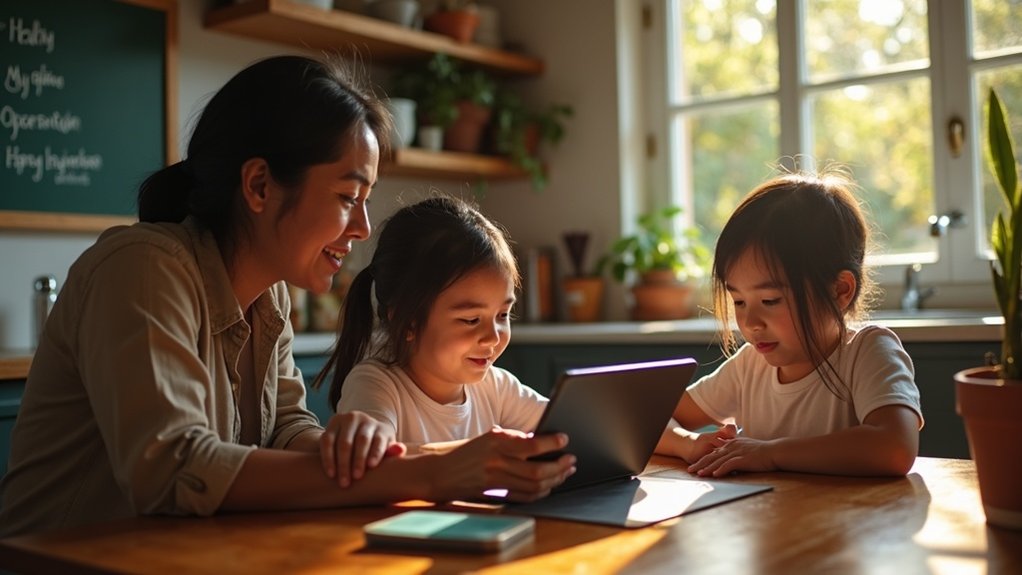
Our feet still humming from the patio, I slip the rhythm into the glow of a screen, like a candle passed from abuela’s altar to a small, curious palm. I set borders: when the rooster sings, screens sleep; when moonlight climbs, we power down. I name the why—eyes, posture, dreams—so limits feel like craft, not punishment.
I curate bilingual constellations: cuentos in Spanish, science in English, captions bridging both. We practice code-switching as skill, not accident—pause, reflect, repeat. I model posture, breaks, blue‑light filters, and mindful breath before taps. Notifications stay leashed; curiosity leads, algorithms follow.
When shadows lengthen, I ask, “What did the screen teach your corazón?” We translate pixels into action—draw, dance, build—so learning returns to our bodies, bright and whole.
Community and Traditions: Support Networks That Help Children Thrive

Sometimes the village arrives like a breeze through the jacarandas, carrying names and recipes, blessings and jokes. I open the door, and tías appear with soups that cure colds and sorrows. You and I trade strategies: who walks the kids to school, who calls when homework turns thorny. Elders whisper proverbs that sharpen judgment; children echo them, turning memory into muscle.
I convene circles—pláticas—where we map resources: clinics, tutors, after-school arts, know-your-rights workshops. We weave calendars for fiestas and grief, because rhythm steadies hearts. I teach my child to greet by name, to listen for stories—our community’s currency. Tradition isn’t nostalgia; it’s infrastructure. When we practice reciprocity—rides, referrals, respite—we upgrade resilience. Together, we raise healthy bodies and future-ready souls.
Frequently Asked Questions
How Can Undocumented Parents Access Pediatric Care Without Risking Exposure?
Seek community clinics, sliding-scale FQHCs, and school-based centers; they don’t require status, honor privacy, and offer interpreters. I’ll ask about confidentiality, use safe-ride programs, pay cash, and whisper lineage—ancestors shielding us—as I gather records and know-your-rights guides.
What Are Safe Home Remedies Versus Ones to Avoid for Common Childhood Illnesses?
Safe: honey for cough (over one year), saline, humidifier, warm soups, rest. Avoid: honey for infants, rubbing alcohol, camphor, kerosene, antibiotics without guidance. Ironically, abuela’s whispers bloom wisely—I braid science and ancestral steam, teaching you careful spells across generations.
How Do We Navigate Language Barriers at School Meetings and Medical Appointments?
I request interpreters early, bring translated documents, rehearse key terms, and confirm understanding aloud. I loop elders’ stories into questions, record action plans, and follow up in writing—bridging tongues like braids, binding ancestors’ wisdom to today’s decisions.
What Financial Aid Programs Cover Sports Fees, Eyeglasses, or Dental Care?

Medicaid, CHIP, and school district waivers often cover sports fees, glasses, and dental. I’d add sliding-scale clinics, community foundations, CareCredit relief, and Lions Clubs. Ask bilingual social workers; they weave elders’ wisdom into forms, opening resources like whispered blessings.
How Can Families Prepare Kids for Discrimination or Bias They May Encounter?
I teach scripts, rehearse calm responses, role-play bias like storm shadows, and build a lineage of pride. I coach rights literacy, document incidents, cultivate allies, practice self-advocacy, and debrief nightly—turning ancestral stories into shields, reflection into sharpened light.
Read The Next Blog Post –
When I set the table, I hear abuela’s spoon tapping like a heartbeat, and the beans answer back. We stretch under a sun that hums our names, breathe lantern-light into the dark, and stitch our feelings like constellations only we can read. Screens dim; stories glow. Salsa steps turn the kitchen floor into sky. If food is prayer and movement is wind, then love—ay, love—is the bridge we cross together, hand in hand, toward tomorrow.