


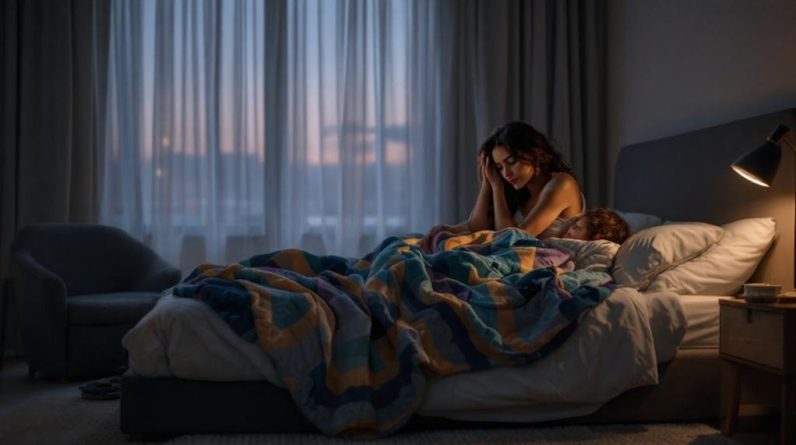
My tío naps in his car between shifts, the seatbelt imprint on his cheek like a watermark of survival. I grew up thinking rest was a luxury you stole, not a right you planned for. We count hours, but our bodies keep other ledgers—noise, fear, fluorescent midnights, the ache of caregiving. I’ve learned recovery isn’t silence; it’s ritual, temperature, light, trust. If sleep is a house, many of us still sleep on the porch—and the door sticks.
Main Points
- Sleep loss stems from work, caregiving, and invisible duties, making rest a negotiable currency in many Latino households.
- Recovery is more than eight hours; it’s deep relaxation with safe descent and ascent, restoring breath, muscles, immunity, and clarity.
- Shift work, housing noise, and economic precarity disrupt circadian rhythms, making rest an infrastructure problem, not just willpower.
- Culturally grounded home practices—cool rooms, dim lights, herbal teas, prayer, and worry logs—anchor consistent, restorative wind-downs.
- Community and policy changes—quiet hours, later school times, fair scheduling, and clinic screening—are essential to protect recovery.
The Hidden Burden: How Work, Caregiving, and Culture Shape Sleep

How many alarms does a body ignore before sleep starts feeling like a luxury? I ask myself that at 4 a.m., packing lunches, checking on my mother’s pills, then clocking in before sunrise. You know this cadence: work stitched to caregiving, stitched to obligation. Our calendars inherit it—tías whispering, “aguanta,” as if endurance were a birthright. We carry double shifts and invisible duties: translating appointments, budgeting remittances, keeping the household’s pulse steady.
Sleep becomes a negotiable currency—spent on overtime, shaved for errands, traded for communion at late-night kitchens. Culture offers warmth and weight; I honor both, but I also audit the costs. Mastery begins with naming constraints: commute length, shift variability, caregiving load, household noise. Then, with precision, redesign evenings, protect wind-downs, and claim restorative hours like sacred ground.
Beyond Eight Hours: What Recovery Really Means for the Body and Mind
Even when I log eight hours, my body tells a truer story—recovery isn’t just time asleep; it’s how deeply I drop, how safely I rise. I track the rhythm: breath loosening, heart drifting from vigilance to trust. When I dream richly, I wake with steadier hands, clearer eyes, less ache in the jaw. That’s slow-wave work—muscle repair, glymphatic rinse, immune tune-ups—quiet as a prayer whispered over arroz.
I treat evenings like a ceremony. Cooling the room signals the brain to release melatonin. A dim lamp keeps cortisol gentle. I stop screens early, not out of purity but to spare my attention. I anchor wake time, even after late nights, so my circadian clock remembers. Mastery lives here: in repeatable cues, deep drops, and kinder awakenings.
Systemic Barriers: Shift Work, Housing, and Healthcare Gaps

I can stack my evenings with rituals, but the world still knocks at the door at 3 a.m. when the shift schedule flips again. Rotas swing like machetes through circadian threads, and my neurons pay interest on borrowed hours. You know this ledger: overtime, cash under the table, a boss who calls fatigue “attitude.” Recovery isn’t a mindset; it’s an infrastructure.
Thin walls translate neighbors’ lives into my bedroom. Sirens braid with lullabies. When rent rises, we chase cheaper zip codes and noisier nights. Stability frays; sleep follows.
Clinics book months out; insurance arrives late or not at all. I memorize symptoms, not solutions, and learn to downshift pain until payroll clears. Systemic gaps don’t just steal time—they rewire bodies, scripting exhaustion as heritage.
Culturally Grounded Strategies for Better Sleep at Home
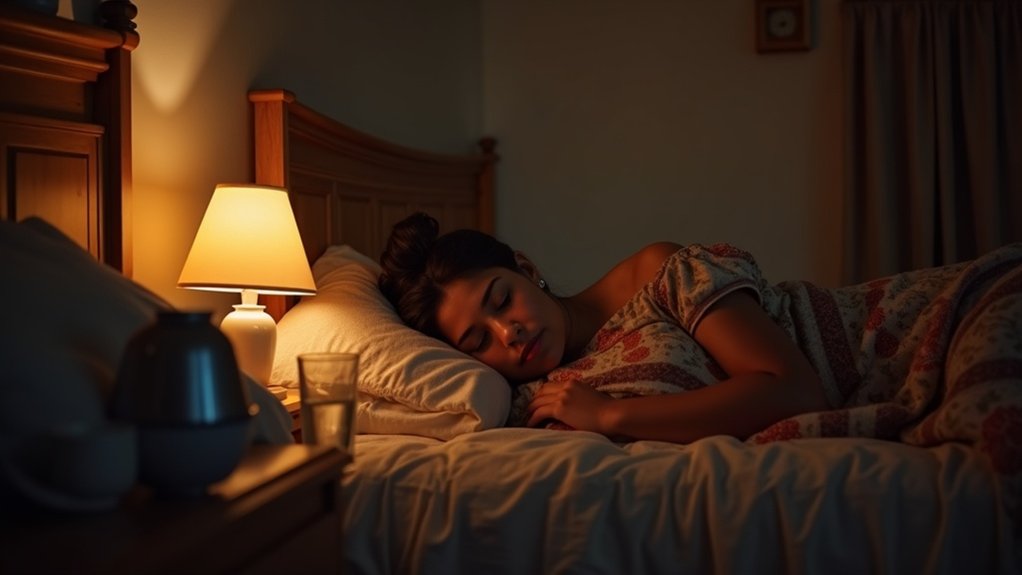
Sometimes the fix begins with what our elders already taught us—rituals stitched from home. I remember my abuela cooling the room, dimming lights, and humming a cantico that slowed my pulse. You and I can refine those instincts with intention, turning memory into method.
1) Temperature, light, scent: I set the room to 65–67°F, blackout curtains drawn, devices silenced. I steep manzanilla or toronjil, then let the cup’s steam cue my breath—four counts in, six out.

2) Rhythm as boundary: I anchor a wind-down window, same hour nightly. I stretch hips and back, recite a brief oración or gratitude list, and log worries before bed to empty the mind.
3) Sound and meaning: I choose soft boleros or white noise; ritual objects—rosary, family photo—signal safety. Repetition trains sleep like a trusted path home.
Advocacy and Community Solutions to Reclaim Rest
How do we rest when the city won’t hush and paychecks arrive thin as air? I learned to answer by stepping beyond my doorway. I joined neighbors to map the loudest corners, then pressed the council for quiet hours with enforcement, not slogans. We campaigned for later school start times, because teens shouldn’t trade REM for bus schedules. We pushed clinics to screen for shift-work fatigue and prescribe schedule protections, not just melatonin.
I’ve testified for fair wages and predictable shifts—sleep is a labor right. We formed a tenant circle to demand mold remediation and working heat; asthma and cold floors steal deep rest. In our plaza, we host monthly “descanso circles,” sharing data, tamales, and strategies. Rest, reclaimed together, becomes policy, not luck.
Frequently Asked Questions
How Does Immigration Status Anxiety Specifically Affect Dream Patterns?
It sharpens nightmares and fragments REM. I drift into vigilance, heart rehearsing border crossings, papers missing. You know this: dreams turn bilingual, looping interrogations, family faces flicker. I wake mid-sentence, exhausted, carrying a country’s hush and a grandmother’s prayer.
Are Bilingual Brains More Vulnerable to Sleep-Related Cognitive Fatigue?

Yes, sometimes. I feel bilingualism magnifies cognitive load under sleep debt; switching codes frays attention, memory retrieval slows, and nuance blurs. With solid sleep, though, bilingual flexibility sharpens; I’ve watched it sing—syntax, meaning, and identity aligning like dawn.
Which Traditional Latino Foods Disrupt Sleep When Eaten Late?
Spicy late-night fare—tacos al pastor, chilaquiles, pozole—can jolt me awake; acidity and capsaicin spark reflux, heartburn. Strong cafecito, chocolate caliente, and sugary pan dulce disrupt deep sleep. I’ve learned to savor earlier, hydrate, and choose lighter cenas.
Do Multigenerational Households Influence Circadian Rhythm Development in Children?
Yes—household rhythms shape children’s clocks. I’ve watched bedtime choruses—whispers, dishes, late shifts—pull sleep later, yet consistent rituals, dim light, morning sun, and aligned caregiving anchor circadian cues. Teach timing like language: predictable, communal, exquisitely practiced.
How Does Urban Noise Pollution Differ Across Latino Neighborhoods Overnight?
Urban noise pollution often runs higher and later in Latino neighborhoods—traffic, sirens, backyard gatherings, work shifts. I’ve mapped decibels and memories alike; you know the hum—resilience singing against inequity—while our nights negotiate sleep, safety, and belonging.
Read The Next Blog Post –
I won’t settle for “just rest” anymore. I’m learning to stitch night back together—thread by thread—rituals humming like lullabies from my grandparents’ kitchens. I anchor my mornings to light, cool the room, hush the street with a fan’s soft tide. But I’m also knocking on doors: fair shifts, safer housing, clinics that speak our names right. Because sleep isn’t a luxury; it’s a birthright. Together, we can turn fatigue into a chorus, and finally close our eyes.


