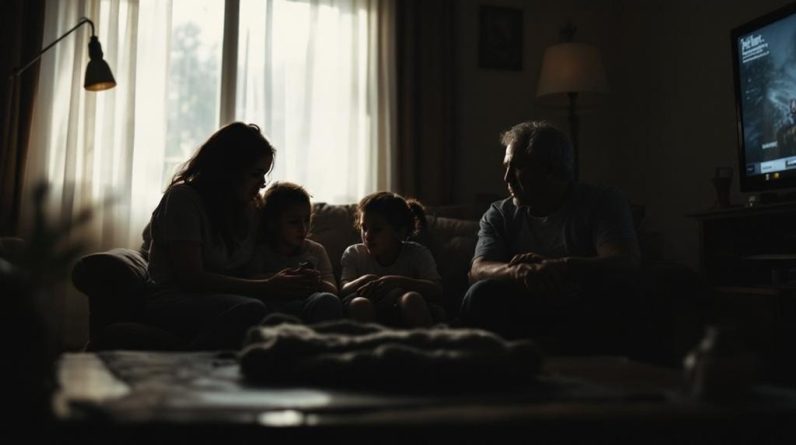
When I talk with Latino families about depression, I notice how loyalty, privacy, and strength can hide real pain. A flat tone replaces jokes, patience thins, and tiredness looks like overwork. Faith and family obligations keep everyone moving, yet silence grows at home and at work. I’ve learned that gentle “I” statements, private moments, and respect for culture open doors. If you’ve seen small changes that don’t add up, there’s a reason they matter…
Main Points
- Cultural values like familismo, respeto, marianismo, and machismo can mask distress, making help-seeking feel disloyal, weak, or disrespectful.
- Subtle emotional signs include irritability, flat mood, emotional numbness, and joy feeling muted even during positive events.
- Physical and sleep changes—fatigue despite more sleep, early waking, headaches, stomachaches, or muscle tension—may signal depression.
- Behavioral shifts include withdrawing from plans, reduced interest in hobbies, slowed decisions, and saying “I’m fine” while struggling.
- Gentle, culturally sensitive conversations honor family and faith, use “I” statements, avoid labels, and invite sharing without pressure.
Cultural Values That Shape How Depression Appears
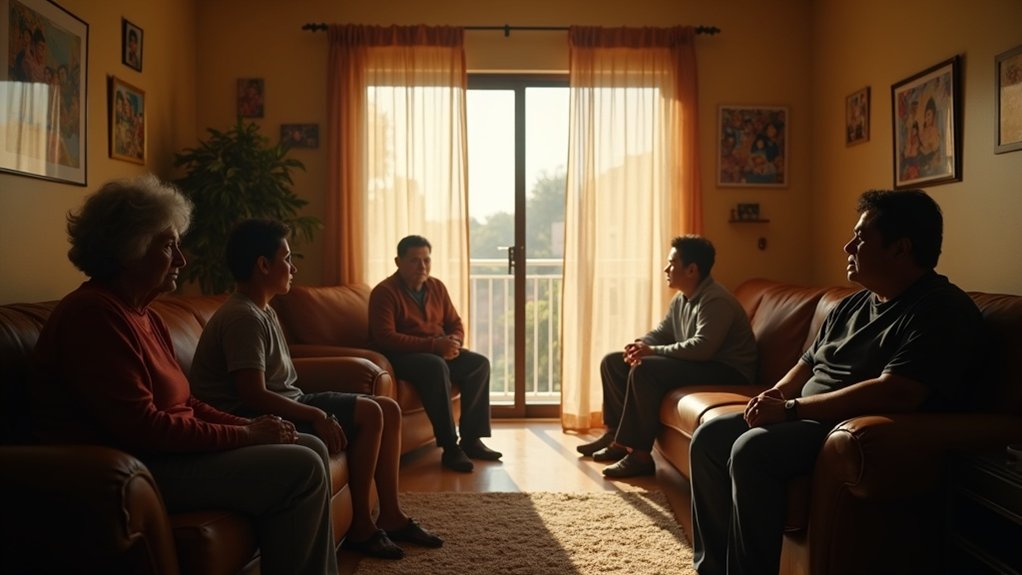
How do cultural values shape what depression looks like in Latino families? I often see it filtered through familismo, respeto, and religiosity. Because family loyalty runs deep, I might downplay my pain to avoid burdening loved ones. Out of respeto, I keep struggles private, especially around elders, which can make me look “strong” while I’m actually hurting. Marianismo and machismo can push me to endure quietly or handle everything alone, framing help-seeking as weakness.
I also lean on faith and perseverance, telling myself to pray, work harder, and push through. Community pride matters, so I may present a composed face in public, even when I’m overwhelmed. If you notice this tension—commitment to family and faith alongside evident strain—that cultural context can guide compassionate, respectful support.
Subtle Emotional and Physical Signs to Watch For
Sometimes the earliest clues hide in plain sight: I smile and show up, but I feel flat, irritable, or detached inside. I notice I’m quick to snap, then feel oddly numb. Joy feels muted, even during good news. I’m tired despite sleeping more, or I wake too early and can’t drift back. My appetite shifts—cravings one week, disinterest the next. Headaches, stomach aches, or muscle tension linger without a clear cause. I move slower, postpone decisions, and lose track of simple tasks.
You might see me withdraw gently—I cancel plans, answer briefly, or avoid calls. I stop hobbies I once loved. Concentration slips at work or school. I say, “I’m fine,” but my energy and presence don’t match. These subtle patterns add up; they’re worthy of care.
Family Dynamics, Faith, and Stigma in Daily Life

Why does depression feel heavier at home? I notice it most when family roles tighten. Expectations to be fuerte make me hide pain, and silence becomes a daily habit. Faith comforts me, yet it can also push me to “pray harder” instead of naming what hurts. I’m not rejecting belief—I’m asking for room to feel. Stigma threads through small moments: a joke, a look, a change of subject. You might see it too.
- Pressure to be grateful, even when I’m exhausted
- “We don’t air problems,” so I carry them alone
- Faith as solace, but also as a stop sign on seeking help
- Machismo or marianismo shaping who’s allowed to struggle
- Gossip fears turning symptoms into secrets
How to Start Compassionate, Culturally Sensitive Conversations

Even if the words feel stuck, I can open a door by starting small and speaking from my experience. I might say, “I’ve noticed you seem tired lately, and I care about you.” I avoid labels and focus on feelings and specific moments. I use “I” statements, a gentle tone, and choose a private time without distractions. I honor our culture by acknowledging family, faith, and the value of resilience, while also naming that strength includes asking for help.
I invite conversation, not confession: “How have you been holding everything?” If emotions rise, I slow down, listen more than I speak, and reflect back what I hear. I don’t argue or rush solutions. I thank them for trusting me, and I promise to keep listening.
Paths to Care: Community Resources and Support Options
Where do we turn after that first hard conversation? I start close to home and widen the circle. You don’t have to navigate this alone. I look for care that respects culture, language, and privacy, and I make a simple plan: one step today, another tomorrow.
- Community health clinics with bilingual therapists; ask about sliding-scale fees and walk-in hours.
- Faith leaders who can connect you to trusted counselors while keeping spiritual supports intact.
- Local NAMI or Mental Health America chapters offering free groups and education in Spanish.
- School counselors and promotoras de salud who know family dynamics and local referrals.
- Crisis lines like 988 and Línea de Vida for immediate, confidential help.
I remind myself: seeking support isn’t weakness; it’s how healing starts.
Frequently Asked Questions
How Can Workplaces Support Latino Employees Facing Hidden Depression?
Like a lighthouse, I’d normalize mental health talks, offer culturally competent counseling, train managers on stigma, guarantee confidentiality, provide flexible schedules, create Latino ERGs, include bilingual resources, and check in privately—so you feel seen, safe, and supported at work.
What Role Do Immigration Status and Fear Play in Seeking Help?
Immigration status and fear often silence help-seeking; I’ve seen people avoid care due to deportation worries, mistrust, stigma, and cost. I’d reassure you: confidential services exist, community clinics help regardless of status, and seeking support is safe.
How Can Teens Advocate for Depressed Parents Without Parenting Them?
You can advocate by noticing changes, naming concerns gently, and encouraging professional help. I’d set boundaries, share resources, invite trusted adults, and accompany them to appointments, while reminding you it’s not your job to fix everything.
Are There Culturally Tailored Digital Tools or Apps for Discreet Support?
Yes—apps like MindShift CBT, Sanvello, and WhatsApp-based peer circles offer discreet support. I know, nothing says intimacy like a push notification. Still, you’ll find bilingual resources, mood tracking, grounding tools, and private chats tailored for cultural nuance.
How Do Remittances and Financial Pressure Mask or Worsen Depression?
They can mask symptoms through constant busyness and duty, while worsening stress, guilt, and burnout. I’ve seen people overwork to send money, skip care, hide sadness, and spiral into anxiety, insomnia, irritability, and hopelessness to meet family expectations.
Read The Next Blog Post –
As I listen with patience, as I notice the quiet shifts, as I honor faith and family, I see depression more clearly—and respond more gently. I won’t rush to label, I’ll invite small shares, I’ll validate real pain. I’ll choose privacy, I’ll use “I” statements, I’ll ask instead of assume. Together, we can name what hurts, lean on trusted supports, and reach for care that fits our culture, our values, and our hope.



![[Culturally Sensitive Therapy Options for Spanish-Speaking Communities]](https://purelatinocontent.com/wp-content/uploads/2025/10/culturally_sensitive_spanish_speaking_therapy_options_2ydk0-796x445.jpg "[Culturally Sensitive Therapy Options for Spanish-Speaking Communities]")