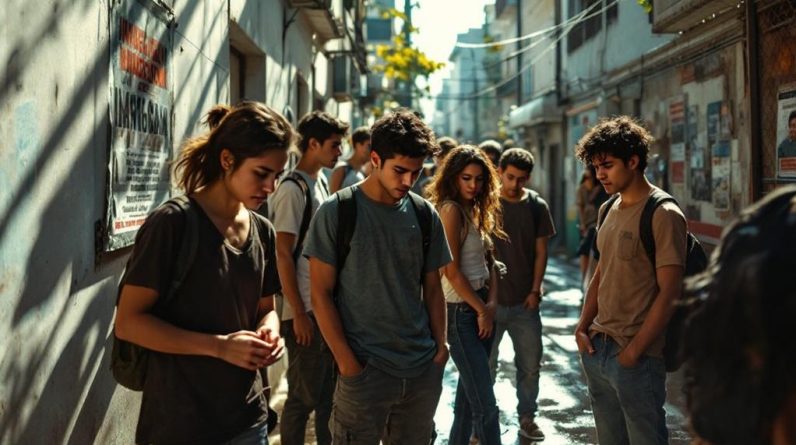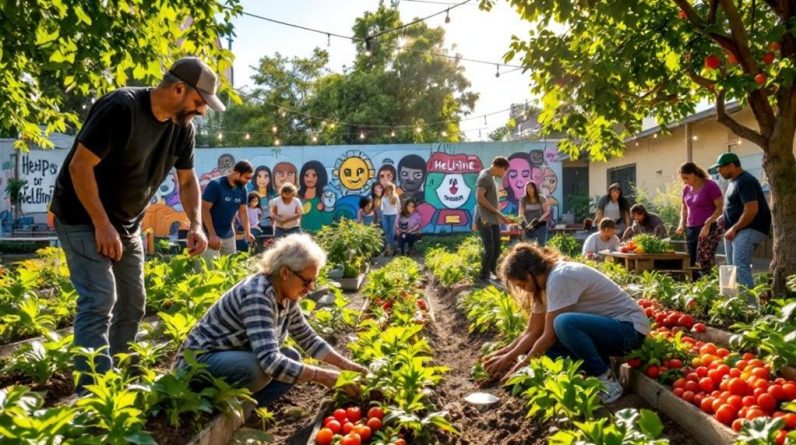
What if the most trusted mental health guides aren’t clinicians, but neighbors? I’ve seen promotoras, pastors, and school staff open doors that clinics can’t, from navigating appointments to weaving culture into care. When bilingual telehealth, childcare, and transportation supports align, families actually show up—and stay. And with smarter funding and policy, these models scale without losing heart. But the real shift starts with how we build trust block by block—and what happens next might surprise you.
Main Points
- Deploy promotoras and peer navigators in clinics, churches, and community hubs to explain services, schedule care, troubleshoot barriers, and provide follow-up in Spanish and English.
- Integrate faith-based healing circles with evidence-based skills, co-led by pastors and healers, linking participants to respectful, accessible care pathways.
- Partner with schools to normalize early mental health support, train trusted staff, and weave culturally grounded practices into daily routines and family communication.
- Expand bilingual telehealth with secure video, text check-ins, interpreters, captions, crisis buttons, and age-friendly interfaces to reduce travel and childcare burdens.
- Align funding and policy to equity: reimburse bilingual/bicultural services, authorize peer specialists, enforce language access, expand telehealth parity, and braid Medicaid/SAMHSA/school funds.
Promotoras and Peer Navigators Bridging Trust and Access
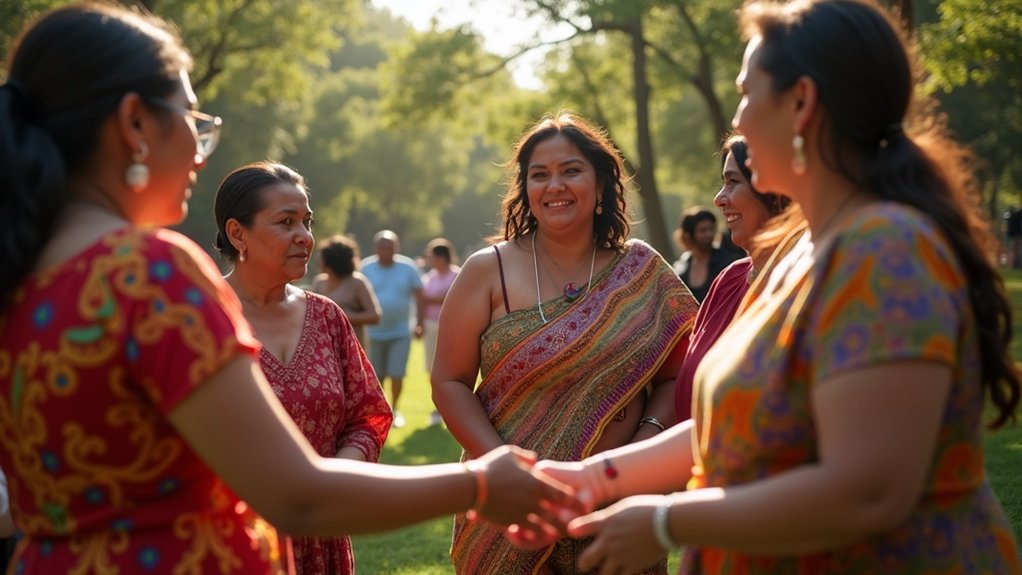
How do communities turn familiarity into a lifeline? I start with promotoras and peer navigators—neighbors who speak our language, know our streets, and understand our worries. When I meet someone at a clinic doorway, a church parking lot, or a soccer field, I’m not a stranger; I’m a trusted bridge. I explain what services do, what papers aren’t required, and what rights people have. I normalize seeking help and clarify costs, wait times, and privacy.
I schedule appointments, ride the bus with clients, and follow up by phone or WhatsApp. I translate forms, demystify referrals, and coach people on questions to ask. By tracking barriers—transportation, childcare, fear of stigma—I tailor solutions. Trust grows, navigation gets easier, and care becomes reachable, not theoretical.
Faith and Cultural Practices as Gateways to Healing
Why do prayer circles, velorios, and curanderismo feel like medicine before we ever see a clinic? I’ve learned they offer rhythm, story, and belonging—core ingredients of healing. When we pray together, we name pain aloud and feel witnessed. At a velorio, we share memories, food, and tears; grief becomes communal, not a private burden. With a curandera or curandero, rituals translate distress into symbols our families understand, reducing shame.
I don’t romanticize tradition; I use it as a doorway. I ask pastors, lay leaders, and healers to co-host circles where scripture, dichos, and evidence-based skills sit side by side. We teach grounding, breathing, and referral paths in familiar spaces. You keep your faith; I help connect it to care that works and respects you.
School and Youth Partnerships Normalizing Care Early

Sometimes the first trusted adult isn’t a therapist—it’s a teacher, coach, or school secretary who knows a kid’s name and story. I’ve seen how school-based partnerships normalize care before crises harden. When adults in classrooms speak openly about emotions, students learn that asking for help isn’t weakness; it’s wisdom. I work with schools to weave culturally grounded practices into daily routines, so support feels familiar, not foreign.
Here’s what makes these partnerships effective:
- Train staff to spot early signs, respond with empathy, and make warm handoffs to counselors and community clinics.
- Embed short, skills-based lessons—breathwork, problem-solving, peer support—into homeroom and after-school programs.
- Involve families through bilingual workshops and trusted liaisons, aligning school support with home values, schedules, and concerns.
Bilingual Telehealth and Digital Tools Extending Reach
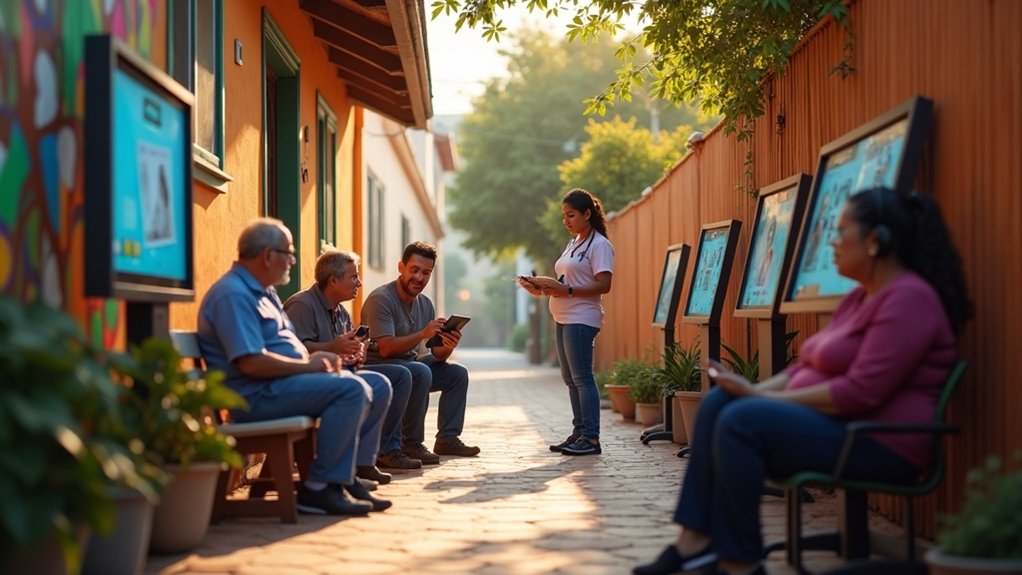
Across a neighborhood or across a shift, bilingual telehealth bridges distance and time so care meets people where they are. When I log on with a client, I remove travel, childcare, and schedule barriers that often stop care before it starts. In Spanish and English, I explain options, set goals, and follow up with privacy and respect.
I lean on simple, low-data tools: secure video, text check-ins, and symptom trackers that send reminders in the preferred language. I show you how to use closed captions, interpreter-on-demand, and crisis buttons, so support is a tap away. For elders, I keep interfaces large and steps short. For teens, I add chat and culturally relevant self-care prompts. With bilingual tech, I extend trust, continuity, and timely help.
Funding and Policy Levers to Scale Culturally Responsive Models
So how do we move promising, culturally responsive care from pilot to norm? I start by aligning money with outcomes that matter to Latino families—trust, continuity, and language access. You and I know pilots stall when funding is short-term and reporting burdens don’t match community realities. We need durable financing and clear incentives that reward equity.
1) Tie payment to equity metrics: reimburse bilingual, bicultural services, measure engagement and symptom improvement by subgroup, and offer bonuses for closing disparities.
2) Blend and braid funds: combine Medicaid, SAMHSA, school-based, and philanthropic dollars to finance promotores, culturally adapted therapies, and digital supports.
3) Remove policy friction: authorize peer specialists, expand telehealth parity, require language-access standards in contracts, and simplify credentialing so trusted community clinics can scale quickly.
Frequently Asked Questions
How Can Undocumented Residents Safely Seek Mental Health Support Without Fear?
You can safely seek support by choosing clinics with strict confidentiality, asking about sliding-scale or cash options, and avoiding ID requirements. I’d recommend anonymous hotlines, faith-based counselors, crisis text lines, and trusted community health centers that don’t share immigration status.
What Strategies Address Stigma Among Latino Men Specifically?
Gentle reframing, role‑model storytelling, and barbershop or sports‑based dialogues work. I’d partner with trusted men, normalize “tune‑ups” for the mind, offer male facilitators, bilingual peer circles, confidential screenings, and faith‑aligned messages that honor strength while inviting help.
How Do Immigration-Related Stressors Intersect With PTSD and Anxiety Care?
They intersect by compounding symptoms and barriers. I’d screen for trauma, migration loss, and legal fears, then tailor CBT, grounding, and psychoeducation. I’d address acculturation stress, family separation, and trust, coordinate legal/social supports, and ensure culturally and linguistically responsive care.
What Are Best Practices for Data Privacy in Small, Tight-Knit Communities?
Prioritize minimal data collection, clear consent, de-identification, role-based access, and secure storage. I’d publish aggregated results, train staff on confidentiality, document protocols, and establish community oversight. I’ll also plan incident responses and regularly audit practices for trust.
How Can Caregivers Balance Work, Childcare, and Mental Health Appointments?
I balance by scheduling appointments during lunch breaks, coordinating childcare swaps, and setting reminders. Coincidentally, my boss’s flexible hours aligned with my therapist’s openings. I batch errands, use telehealth when possible, and communicate boundaries so you can, too.
Read The Next Blog Post –
I’ve seen promotoras move mountains, pastors part seas, and school counselors turn whispers into roars of courage. When we braid culture, faith, bilingual telehealth, and peer support, care doesn’t tiptoe in—it dances through the door. With flexible funding and smart policy, these community-rooted models don’t scale—they skyrocket. Let’s keep demystifying, de-stigmatizing, and democratizing until appointments are easy, barriers are boring, and healing is as common as conversation—because our neighborhoods deserve nothing less, and so much more.

![[Culturally Sensitive Therapy Options for Spanish-Speaking Communities]](https://purelatinocontent.com/wp-content/uploads/2025/10/culturally_sensitive_spanish_speaking_therapy_options_2ydk0-796x445.jpg "[Culturally Sensitive Therapy Options for Spanish-Speaking Communities]")