
I picture a bridge at dusk—half in familiar light, half in shadow—and I invite you to walk it with me. As Latinos acculturate, some stressors fade while others sharpen, and the gains can quietly cost us family ties, sleep, and mood. First-generation grit meets second-generation pressure, and both can unsettle identity. Yet familismo, bilingual pride, and community can steady the path. The question is how to keep those anchors intact as the crossing gets harder.
Main Points
- Acculturation pathway matters: assimilation can increase stress by eroding protective family/community ties, while integration tends to buffer mental health risks.
- Daily acculturative stressors (language barriers, discrimination, documentation worries, economic strain) disrupt sleep, mood, and coping, elevating anxiety and depression.
- Marginalization—feeling “not at home” in either culture—amplifies loneliness, hopelessness, and distress more than other pathways.
- Generational dynamics shape risk: first-gen underreports symptoms amid survival pressures; second-gen faces code-switching fatigue and identity conflicts.
- Protective factors (familismo, bilingual identity, community ties) reduce isolation and improve resilience, mitigating acculturation-related mental health decline.
Understanding Acculturation Pathways and Their Mental Health Impacts

While acculturation can open doors, its pathways shape mental health in uneven ways. When I think about acculturation, I see several routes people take: assimilation, separation, integration, and marginalization. Each path carries distinct pressures and protections.
If I pursue assimilation, I may gain opportunity but risk losing protective ties, which can heighten stress, anxiety, or depression. If I lean toward separation, I might preserve identity but face isolation or discrimination. Integration—maintaining heritage while engaging the larger society—often offers balance, supporting resilience through dual networks. Marginalization, where belonging feels thin on both sides, can amplify loneliness and distress.
I also consider daily stressors: language demands, documentation worries, racial bias, and economic strain. These accumulate, shaping sleep, mood, coping, and access to care.
Generational Differences: How First-, Second-, and Third-Generation Experiences Diverge
How do generation and timing reshape the mental health terrain for Latino families? I see clear patterns. First-generation adults often carry migration stress, disrupted careers, and language barriers. They may hide symptoms to push through survival demands. Their kids, the second generation, straddle cultures. I hear about code-switching fatigue, pressure to succeed, and stigma around therapy colliding with U.S. norms. They can feel “not enough” in either world, which fuels anxiety and depression.
Protective Cultural Factors: Familismo, Language, and Community Ties

A different story emerges when I look at the buffers that many Latino families already carry: familismo, bilingual identity, and tight community networks. When I listen to families describe everyday life, I hear how familismo steadies them. It says, “We belong to each other,” and that belonging lowers loneliness and softens stress. It also spreads the weight of problems across many shoulders.
Language works as a bridge and a shield. Being bilingual lets people switch codes, find words that fit emotions, and stay close to older relatives while navigating new systems. I’ve seen how that flexibility protects identity.
Community ties add another layer. Churches, neighborhood groups, and mutual aid circles create practical help, shared norms, and quick support during crises—fuel for resilience.
Barriers to Care: Stigma, Access, and Systemic Inequities

Those strengths don’t erase the obstacles many Latinos face when they seek help. I hear about stigma first: the fear of being labeled “loco,” the worry that therapy means weakness, or that family problems must stay private. I also see access barriers. Insurance gaps, high costs, long waitlists, and limited Spanish-language services make care feel out of reach. Transportation, childcare, and inflexible work hours add friction.
Systemic inequities cut deeper. Providers often lack cultural humility, misread symptoms, or overlook stress from discrimination and legal precarity. Documentation fears and data-sharing concerns keep people away. Even when someone perseveres, fragmented systems force them to repeat their story, risking mistrust and dropout. These barriers don’t reflect a lack of need; they reveal how care still fails many.
Strategies That Work: Culturally Responsive, Bilingual, and Community-Based Supports
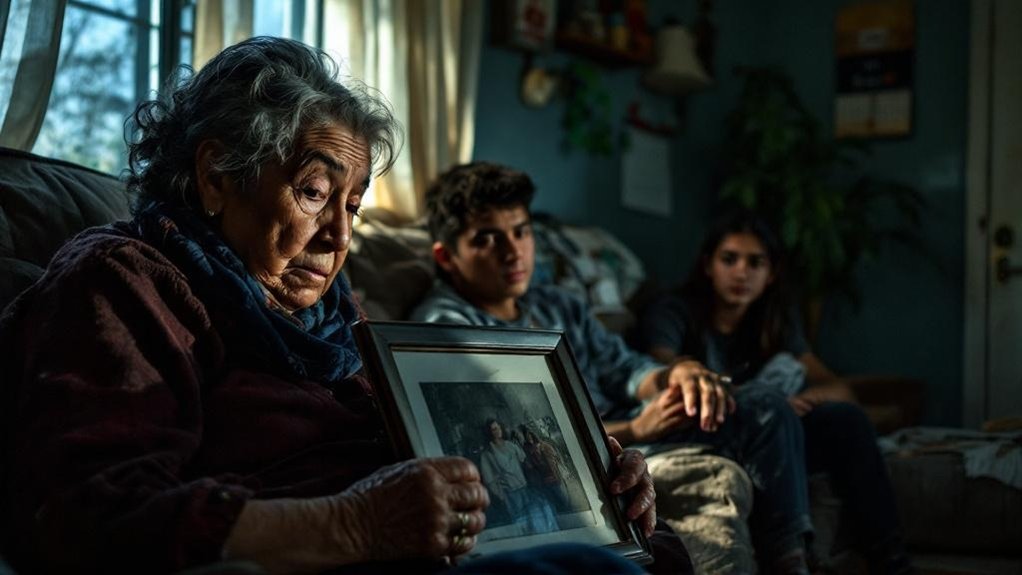
Start where people already are: culturally responsive, bilingual, community-rooted care meets Latino families with respect and practical support. I’ve seen trust grow when providers honor language, faith, and family roles. You and I can push for care that recognizes migration stress, mixed-status worries, and bicultural identity without pathologizing it. Here’s what works in practice:
- Hire bilingual, bicultural clinicians and peer navigators; pay and train them well.
- Integrate care in familiar places—schools, churches, clinics, and mobile units—with extended hours.
- Use family-inclusive approaches (pláticas, charlas) and culturally grounded therapies (e.g., narrative, strengths-based).
- Remove barriers: sliding-scale fees, telehealth in Spanish, transportation and childcare supports.
When services fit people’s lives, engagement rises, symptoms ease, and dignity stays intact.
Frequently Asked Questions
How Do Immigration Policies Indirectly Influence Acculturation-Related Stress?
They shape daily uncertainty, access to services, and community climate, which heighten cultural conflict and isolation. I see restrictive rules fueling fear, limiting resources, and disrupting social ties, so you face compounded stress while navigating identity, language, and belonging.
What Role Do Social Media Algorithms Play in Identity Conflict?
They amplify identity conflict by curating echo chambers; one study found 64% of users encounter conflicting norms weekly. I see algorithms reward polarized content, nudging you into performative selves, pressuring belonging, and splitting private values from public presentation.
How Does Workplace Discrimination Intersect With Acculturation to Affect Mental Health?
Workplace discrimination amplifies acculturation stress by forcing constant code-switching, vigilance, and belonging conflicts. I see increased anxiety, depression, and burnout when values clash, support is scarce, and advancement feels blocked. I’d recommend documentation, allies, culturally competent therapy, and boundary-setting.
Are There Differences in Acculturation Stress Between Urban and Rural Latino Communities?

Yes, differences exist. I see urban communities facing faster-paced assimilation pressures, language demands, and discrimination. Rural communities experience isolation, limited services, and cultural retention conflicts. You’ll notice stress sources differ, so coping strategies, access to care, and community support should be tailored.
How Do Mixed-Status Families Experience Unique Mental Health Pressures?
They face layered anxieties—deportation dread, secrecy, financial strain, and role reversals. Picture a family juggling flaming papers labeled “status,” “school,” and “rent.” I see constant hypervigilance, kids translating legalese, parents shrinking dreams, and everyone masking fear to appear “fine.”
Read The Next Blog Post –
As I reflect on acculturation’s double edge, I see how stress piles up while protective ties can fray. One striking statistic stays with me: Latino adults born in the U.S. report higher depression rates than Latino immigrants, a reversal that underscores the cost of assimilation without support. When we pair familismo, bilingual identity, and community roots with culturally responsive, accessible care, we don’t just reduce harm—we help people thrive across generations, on their own terms.


![[Culturally Sensitive Therapy Options for Spanish-Speaking Communities]](https://purelatinocontent.com/wp-content/uploads/2025/10/culturally_sensitive_spanish_speaking_therapy_options_2ydk0-796x445.jpg "[Culturally Sensitive Therapy Options for Spanish-Speaking Communities]")