


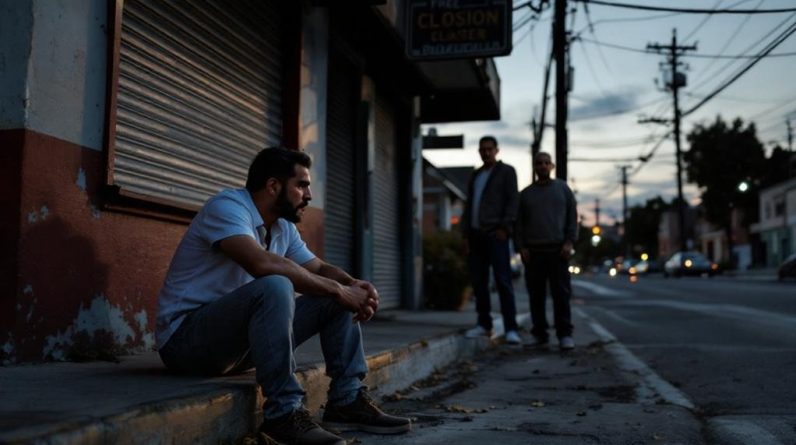
Nearly 1 in 5 Latino men report anxiety symptoms, yet many never name the ache. I carry that number like a quiet drum, pressed between familismo’s warm braid and machismo’s iron mask. Duty keeps the lights on; silence keeps the heart dim. I’ve seen tenderness punished as trespass, breath mistaken for weakness. Still, I’ve learned strength can soften without breaking. If you’ve felt that split in your ribs, come closer—there’s a door you haven’t tried.
Main Points
- Familismo offers belonging and resilience, but duty to family can overextend men, fueling chronic stress and hypervigilance.
- Machismo prizes stoicism, discouraging emotional expression and help-seeking, which converts anxiety into silent sleeplessness and somatic strain.
- Cultural roles—caretaker, interpreter, sentinel—elevate responsibility, making panic feel like productivity while masking internal distress.
- Barriers to care include fear of betraying family, costs, language mismatches, and providers overlooking non-spousal obligations.
- Support pathways: reframe machismo to include tenderness, use culturally fluent breathwork and boundaries, and connect with bilingual, community-based care.
The Promise and Pressure of Familismo
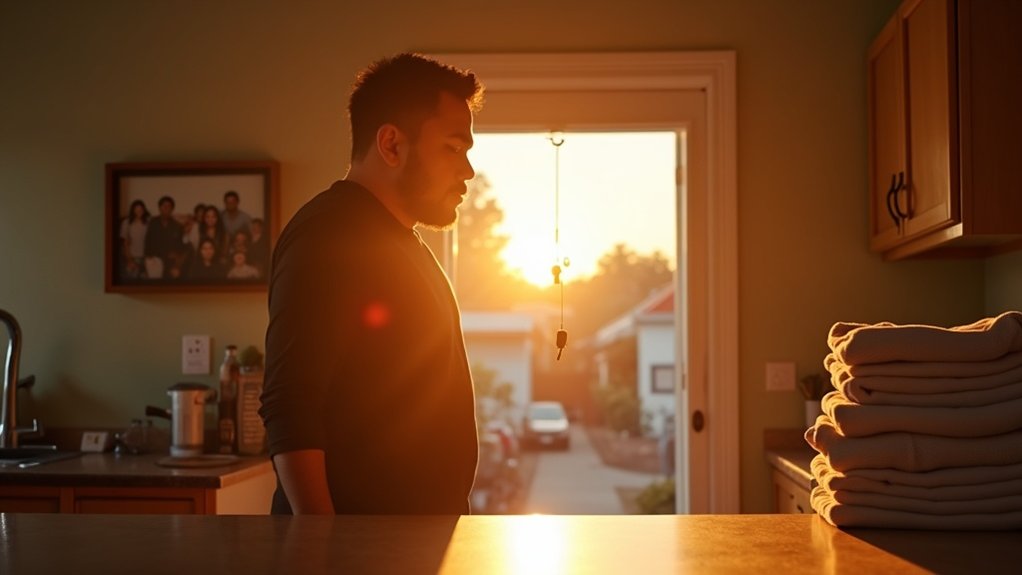
How do I explain the way familismo braids love and duty into a single, gleaming thread that can also cut? I feel it pull through my ribs like a golden cord, binding me to abuela’s recipes, to hushed prayers, to the unspoken pact that no one is left behind. In that binding, I inherit resilience and an intricate map of belonging. I also inherit vigilance—listening for every need, reading storms before clouds form.
You know this pressure: the expectation to be anchor and shore simultaneously. I’m taught to translate sacrifice into quiet competence, but the translation costs breath. Still, I tend the altar of us: celebrations as medicine, counsel as shelter. Familismo trains my spine to bend without breaking—and reminds me to breathe while I lift. One way this love-duty tension eases is by learning financial literacy, which helps Latino families track cash flow, build emergency funds, and make confident choices that reduce money stress.
Machismo’s Strength—and Its Hidden Costs
Familismo teaches me to breathe while I lift; machismo tells me not to show the breath at all. I learned to hold oxygen like a coin under the tongue—proof I’m worthy, proof I won’t drop the sky. You know this ritual: a chest plated in silence, a jaw forged to lock storms inside.
But strength has a bill. Machismo grants me a steel suit and charges interest in tenderness. My laugh shortens; my sleep grows barbed. I turn affection into calculus, then underwrite it with stoicism. Women taught me that power can be porous, that muscles aren’t vaults but bridges. When I let my ribs open, the room gains windows. Mastery isn’t armor; it’s a compass—iron aligned to a larger, living north.

If these tensions linger beyond two weeks with sleep changes, chest tightness, or looping thoughts, treat duration as data and consider seeking culturally responsive care that honors language, family roles, and spirituality.
How Cultural Expectations Intensify and Mask Anxiety
Sometimes, when duty sings too loudly, my pulse tries to match its tempo and forgets how to rest. In our house, expectations perch like bright birds—beautiful, insistent, heavy on the shoulder. Familismo crowns me caretaker, interpreter, unbreakable bridge; machismo appoints me sentinel who never trembles. I learn to make silence look like strength, to braid panic into productivity, to smile until my jaw is armor.
You know this choreography: we translate storms into errands, sorrow into jokes, tenderness into a solution. The body keeps receipts—the clenched teeth, the midnight sprint of thoughts—while the face stays obedient, polished for blessing and battle. I call it devotion; anxiety calls it camouflage. When culture demands spectacle, I craft illusions, yet my breath keeps counting what I conceal.
Even as we carry these roles, tending our bodies with routine vaccinations and screenings can quietly guard our health and ease the load anxiety places on us.
Barriers to Seeking Help and Pathways to Support

I carry that practiced stillness into the clinic’s doorway and feel it lock my tongue. Paper orchids bloom from intake forms; each petal asks for a confession. I hesitate, trained to guard the family myth that men don’t fracture, only mend. You know that myth—golden and sharp. It slices our questions in half.

Barriers multiply: fear of betraying kin, shame braided with pride, costs hidden like thorns, calendars packed with survival. Language becomes a mirror that misnames me; I shrink. Some providers look past me, seeking the wife, the mother, the interpreter. I sketch small rituals of motion—ten squats at dawn, tiny covenant texts at noon, and a promise to breathe together—as a bridge between strength and care.
Yet pathways glimmer. I start by naming what aches, in Spanish or silence. I lean on trusted peers, discreet hotlines, sliding-scale clinics. I claim the right to be cared for, not just useful.
Culturally Grounded Strategies for Men, Families, and Providers
How do we unspool a legend and reweave it into care? I invite you to meet machismo at the edge of the fire and ask it to lower its sword. Together, we name tenderness as skill, not frailty. I teach breathwork like a secret rosary; you count inhales, exiles grief, and return to the body’s republic.
With families, I consecrate boundaries as love’s scaffolding. We translate familismo into reciprocal stewardship—listening circles, shared decisions, rotating burdens. Grandmothers bless consent; fathers model repair.
For providers, I insist on cultural humility, bilingual metaphors, and measured curiosity. We assess context before pathology, map acculturation stress, and ritualize follow‑up. We co-design safety plans with kin, weave promotoras into care, and track outcomes. Healing becomes a covenant—evidence braided with story.

To sustain this covenant beyond the clinic, we integrate community networks that accelerate growth by engaging chambers, mentors, and trusted connectors to strengthen support, reduce isolation, and open culturally fluent pathways to care.
Frequently Asked Questions
How Do Generational Differences Reshape Familismo and Machismo in Younger Men?
They reshape them into gentler constellations; I honor kinship yet refuse rigid scripts. I tell you: I wield tenderness as strength, consent as compass, vulnerability as rite. I inherit roots, not cages, and I remake manhood collaboratively.
What Role Do Social Media Norms Play in Latino Men’s Anxiety?
They amplify anxiety by scripting perfection. I scroll, feel curated machismo glare, familismo’s gaze echo. I remind you: disrupt algorithms, claim tender power, mentor brothers, ritualize boundaries, and conjure community where vulnerability leads, not likes, so dignity outshines pixelated myths.
How Does Immigration Status Intersect With Masculinity-Related Stress?
Like a river splitting, immigration status magnifies masculinity-related stress by binding survival to stoicism. I see you juggling papers and pride; vulnerability’s taxed, authority’s feared, and caregiving feminizes. Let’s alchemize shame into agency, mastering gentler power without borders.
Are There Workplace Policies That Mitigate Culturally Driven Anxiety?
Yes—policies like flexible schedules, clear anti-harassment enforcement, paid mental-health days, and peer-led affinity circles. I guide you through doorways where performance reviews value care labor, parental leave embraces fathers, and transparency dissolves shadows—so dignity blooms, and anxious ghosts loosen their grip.
How Can Faith Communities Address Machismo Without Alienating Men?

I start by honoring men’s dignity while naming machismo’s spell. I invite testimonios, center women’s leadership, reinterpret scripture for mutuality, and craft rituals of accountability. I promise belonging, not banishment; together, we unlearn iron myths and practice tender, courageous power.
Read The Next Blog Post –
I carry two spirits: the lighthouse of familismo and the iron mask of machismo. They argue over my chest like weather, one calling me home, the other demanding I never flinch. I’ve learned to unbutton the storm. When I breathe, the sea inside me stops punishing the shore. I name tenderness as armor, not sin. If you’re listening, brother, sister, healer—walk with me. Let our courage be soft and bright, and our inheritance, finally, humane.


