
When I think about Latina women’s mental health today, I see a tight weave of tradition, pressure, and grit. Family duty and marianismo can quiet our needs, while language barriers, insurance gaps, and stigma make care feel distant. Yet faith, kinship, and community keep many of us steady. I want to unpack how history, identity, and policy collide—and what culturally affirming, trauma‑informed care can look like—so we can recognize the hidden costs and the real paths forward.
Main Points
- Historical forces like colonization, migration, and family narratives shape how Latina women express distress, seek help, and define resilience.
- Structural barriers—insurance, cost, language gaps, provider shortages, and logistics—significantly limit timely, culturally concordant mental health care access.
- Stigma and identity pressures (marianismo, familismo, racialized stereotypes) discourage disclosure and care-seeking, especially in workplaces and public institutions.
- Community strengths—faith, kinship, rituals, music, and bilingual spaces—provide protective coping, grounding, and belonging amid chronic stressors.
- Solutions span policy and practice: Medicaid expansion, parity enforcement, interpreters, bilingual clinicians, flexible hours, trauma-informed care, and promotoras-led outreach.
Historical and Cultural Context Shaping Mental Health

How did history lay the groundwork for Latina women’s mental health today? I look back to colonization, migration, and family narratives to understand what many of us carry. Generations navigated upheaval, loss, and reinvention, and those experiences shaped how we express pain, seek comfort, and define resilience. Stories of survival taught me to be strong, yet they sometimes discouraged speaking openly about sadness or anxiety.
Cultural values also shape coping. Marianismo and familismo can offer meaning, solidarity, and purpose, while quietly setting expectations to prioritize others and endure. Faith and community rituals can soothe, reconnect, and validate. Language, music, and celebrations preserve identity and pride, which protect mental health. By honoring these histories and strengths, I can name inherited patterns and choose healthier ways to heal.
Structural Barriers to Care and Access Gaps
Why does getting help still feel like steering through a labyrinth I didn’t design? I search for care and hit walls: insurance hurdles, waitlists, and clinics that don’t speak my language. I’m not lacking motivation; the system lacks doors. Even when I find a provider, costs stack up—copays, time off work, childcare. Transportation and clinic hours shrink my options further. You might see the same patterns in your life.
- Limited bilingual providers mean longer waits and fragmented care.
- Insurance networks exclude nearby specialists or end mid-treatment.
- Digital portals and telehealth assume stable internet and private space.
I keep asking for straightforward pathways: transparent costs, expanded networks, more bilingual clinicians, flexible hours, and community-based access points. When those exist, care stops feeling like a maze and starts feeling possible.
Stigma, Identity, and Intersections of Race, Gender, and Class

Sometimes the heaviest weight isn’t the symptom, it’s the silence around it. I grew up hearing that “we’re strong” and “we don’t air problems,” so pain became private. When I felt anxious or sad, I worried I’d confirm stereotypes about Latinas being “too emotional.” That fear shaped my choices, from what I shared at home to what I revealed at school or work.
Race, gender, and class combine to complicate identity. I navigate expectations to be devoted at home, resilient at work, and grateful in public spaces that still question my belonging. If I seek help, I risk being seen as unstable; if I stay quiet, I carry the cost alone. Stigma doesn’t just hush feelings—it polices identity and limits care.
Community Strengths, Coping Strategies, and Protective Factors

Where do we find ballast when the currents pull hard? I start by naming what holds me: kinship, culture, and meaning. When anxiety swells, I return to practices that remind me I’m not alone and that my story sits inside a longer one. You and I can draw from everyday strengths that already live in our families and neighborhoods.
- I lean into family warmth—checking in, sharing meals, accepting help—because mutual care buffers stress and builds trust.
- I ground myself through faith, song, or quiet ritual; consistent routines calm my body and keep me present.
- I set boundaries, rest without apology, and move my body; small, repeatable habits protect mood and focus.
I also seek bilingual circles, storytelling spaces, and role models who mirror our values and widen hope.
Policy, Clinical, and Grassroots Solutions for Equitable Support
A few levers can shift outcomes fast if we pull them together: policy that expands coverage and language access, clinical care that respects culture, and grassroots efforts that meet women where they live. I push for Medicaid expansion, parity enforcement, and interpreter services baked into reimbursement. These moves make entry simple, affordable, and dignified.
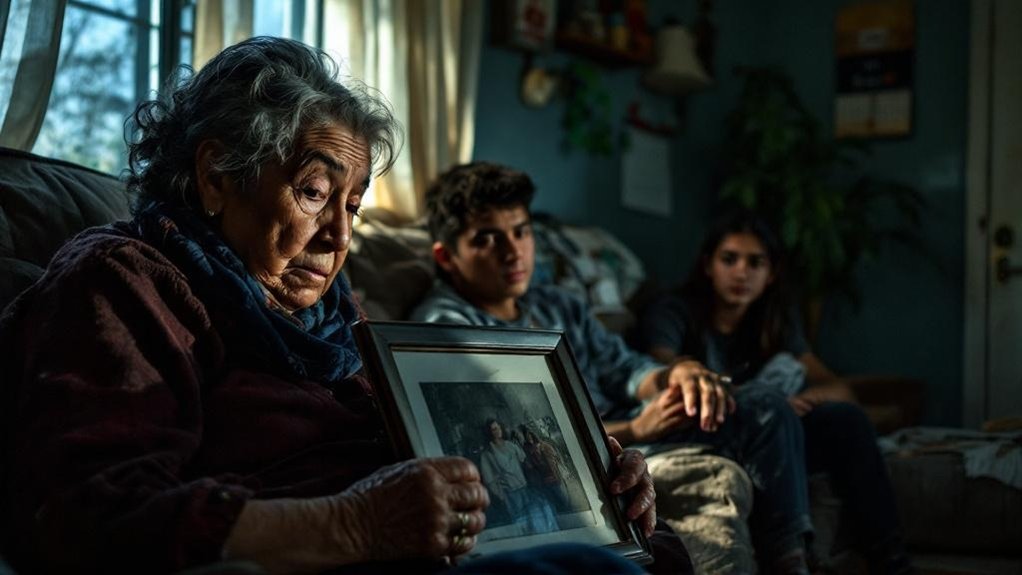
Clinically, I ask providers to screen routinely, use culturally validated tools, and hire bilingual staff. Warm handoffs, family-inclusive sessions, and flexible hours reduce drop‑off. Trauma‑informed practices must address migration, discrimination, and caregiving burdens.
On the ground, I support promotoras, faith partnerships, and workplace programs that bring care to trusted spaces. Microgrants, childcare, and transportation vouchers remove friction. When these layers align, Latina women get timely care and real relief.
Frequently Asked Questions
How Do I Support a Latina Friend Experiencing Mental Health Struggles?
Listen without judging, believe her, and ask how she wants support. I’ll check in regularly, help with resources, encourage professional care, respect boundaries, and stay consistent. If there’s danger, I’ll contact emergency services and remain present.
What Culturally Sensitive Self-Care Practices Can I Try at Home?
Like a gentle tide, I’d try grounding breathwork, journaling in my language, herbal teas, gratitude rituals, music that reflects my roots, movement or dance, boundaries, tech-free pauses, altar or candle moments, and seeking culturally informed resources when needed.
How Can I Find Spanish-Speaking or Bilingual Therapists Near Me?
You can search Psychology Today’s directory, TherapyDen, Open Path, or your insurance portal and filter for Spanish-speaking clinicians. I’d also ask community clinics, university training centers, or local churches for bilingual referrals and sliding-scale options.
What Should I Expect in a First Therapy Session?
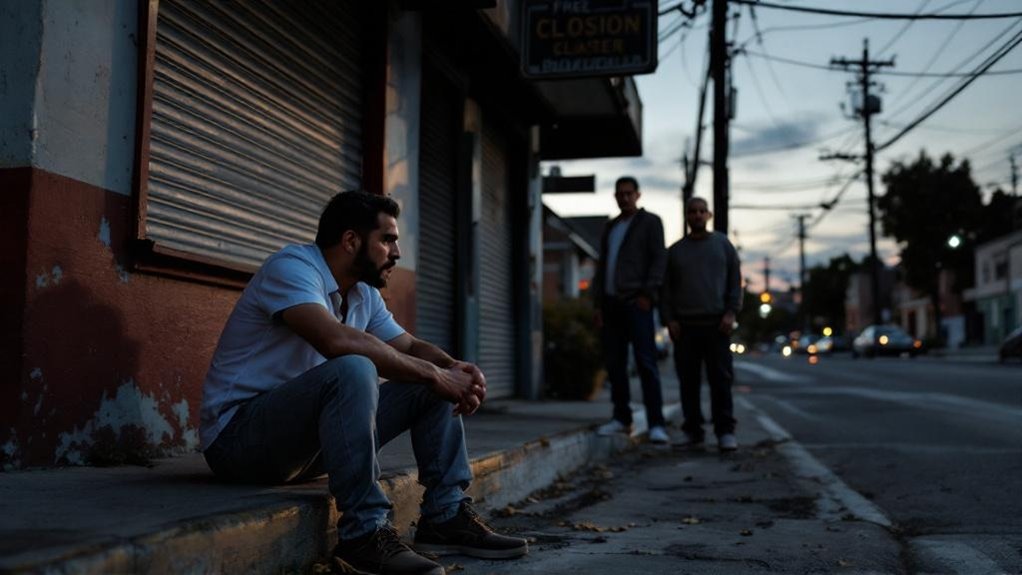
Expect introductions, shared goals, and intake questions about your history, symptoms, and supports. I’ll explain confidentiality, answer questions, and collaborate on a plan. You can set boundaries, pace the conversation, and leave anytime—you’re in charge.
How Do Immigration-Related Stressors Affect Daily Parenting Routines?
Immigration-related stressors disrupt routines by adding uncertainty, paperwork, and fear. I juggle appointments, legal deadlines, language barriers, and limited support. I plan extra time, simplify schedules, practice calming check-ins, and create predictable rituals so your child feels safe despite external pressures.
Read The Next Blog Post –
I’ve seen how culture, stigma, and systems collide—and how resilience rises anyway. Think of Marisol, a new mom navigating panic attacks, no childcare, and no insurance. A bilingual, sliding-scale clinic that welcomed her mother at sessions changed everything. When we invest in culturally rooted, trauma‑informed care; train bilingual clinicians; expand coverage; and fund community programs, we don’t just treat symptoms—we honor lives. I’m committed to making that future real. Let’s build it together, starting now.



![[Culturally Sensitive Therapy Options for Spanish-Speaking Communities]](https://purelatinocontent.com/wp-content/uploads/2025/10/culturally_sensitive_spanish_speaking_therapy_options_2ydk0-796x445.jpg "[Culturally Sensitive Therapy Options for Spanish-Speaking Communities]")