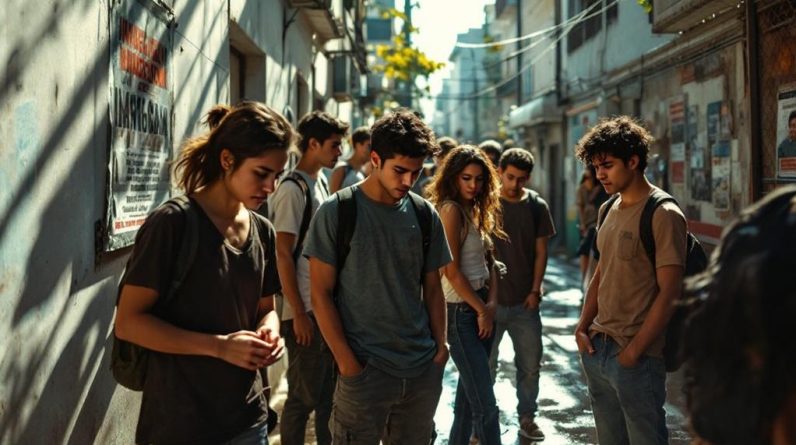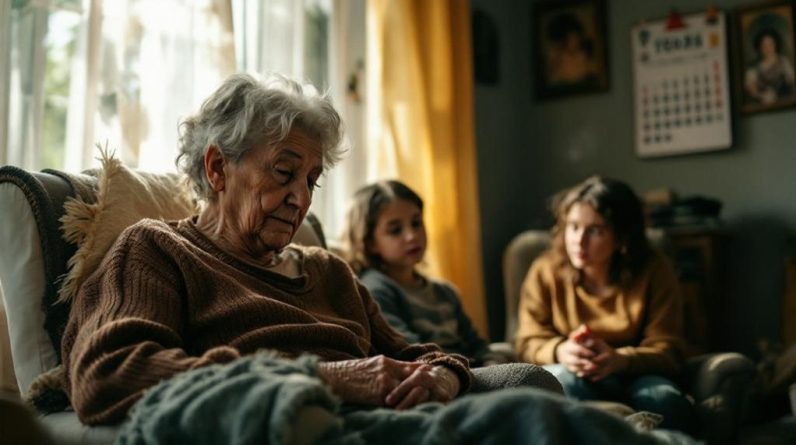
When I think about mental health in Latino communities, I can’t ignore how history sits in our bodies and conversations. Colonization, displacement, and forced assimilation echo as mistrust, silence, and a constant need to stay alert. Familismo and respeto protect us, yet they can keep pain unspoken. I’ve seen it surface as headaches, insomnia, and replayed memories that won’t quit. There’s also resilience—rituals, faith, and community—shaping a path forward, but the cost of quiet is high.
Main Points
- Historical traumas—colonization, assimilation, and displacement—echo as mistrust, hypervigilance, and grief that persists across generations.
- Cultural values like familismo and respeto foster resilience and belonging but can also suppress emotions and delay help-seeking.
- Intergenerational stress often appears physically: jaw clenching, stomach knots, sleep problems, and heightened alertness in public spaces.
- Stigma, cost, limited bilingual care, and institutional distrust create major barriers to timely, effective mental health support.
- Healing grows through culturally grounded practices: pláticas, rituals, Spanglish, family traditions, and trauma-informed care from bilingual providers and community leaders.
Historical Roots of Trauma and Their Modern Echoes
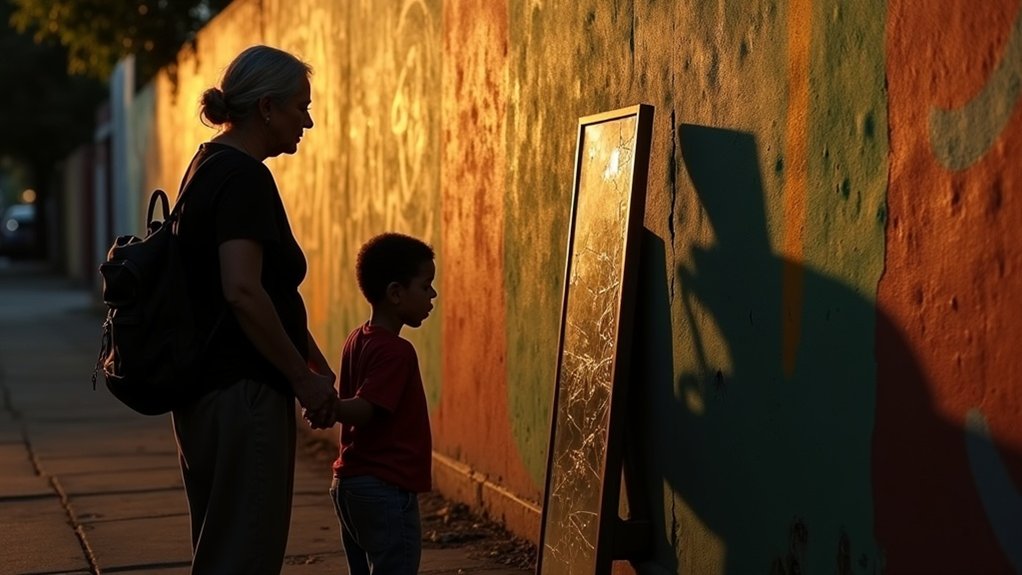
Although the headlines change, the roots run deep: colonization, forced assimilation, slavery, land dispossession, and political repression seeded trauma that still reverberates through Latino families today. I see those forces not as distant history but as currents shaping daily stress, safety, and belonging. Policies fractured families, erased languages, and punished cultural continuity; their echoes surface in mistrust of institutions, vigilance in public spaces, and grief that doesn’t have a name.
When I talk with elders, I hear stories of survival that taught caution. I also notice how that caution can heighten anxiety, sleep problems, and tension in the body. Even without direct memories, I can inherit the alertness. News cycles, immigration debates, and workplace bias reactivate it, reminding the nervous system to brace.
Cultural Values: When Strengths Become Silence
That inherited alertness doesn’t exist in a vacuum; it meets cultural values that both protect and quiet us. I was taught familismo—put family first, keep harmony, carry your weight. Respeto told me to defer to elders, not question too much. Marianismo and machismo framed sacrifice and toughness as proof of love. These values gave me loyalty, resilience, and purpose. They also trained my tongue.
When I felt anxious, I told myself, aguanta. When anger surfaced, I called it impatience. I apologized for needs before I named them. I avoided “burdening” others, even when I was drowning. You might recognize that reflex: protect the group, edit yourself. I’m learning a different balance—honoring our values while letting feelings speak, so strength includes voice.
Stigma, Access Barriers, and the Help-Seeking Gap

How many times did I swallow pain because seeking help felt risky or shameful? I learned early that “aguántate” could pass for love, and that therapy might label me weak, dramatic, or disloyal. You may have heard the same. Stigma doesn’t just silence us; it reshapes our choices. Even when we want support, practical barriers pile up: no insurance, long waitlists, few bilingual or culturally attuned providers, clinics far from work, and sessions that don’t fit our schedules.
I’ve also met distrust—of institutions, diagnoses, and medications—rooted in real histories of bias. When care doesn’t reflect our stories, we stop knocking. The help-seeking gap isn’t a lack of courage; it’s a mismatch between what we need and what’s offered. Naming that gap opens pathways forward.
Signs of Intergenerational Stress in Mind and Body

Sometimes I feel tension arrive before I know why—jaw clenched, shoulders tight, stomach knotted—as if my body remembers what my mind can’t. When stress runs through families, it can show up quietly like this. I notice headaches that mirror my mother’s, shallow breaths when I hear raised voices, or sudden hypervigilance in crowded rooms. Sleep gets choppy; I wake alert, ready for a danger that isn’t there. I replay conversations, scan for mistakes, and feel guilt or shame that doesn’t fit the moment.
My stomach reacts to uncertainty, appetite shifts with worry, and my heart races during harmless surprises. I may avoid conflict, apologize quickly, or overwork to stay safe. These patterns aren’t weakness; they’re signals—old survival lessons my body still keeps.
Culturally Grounded Paths to Healing and Resilience
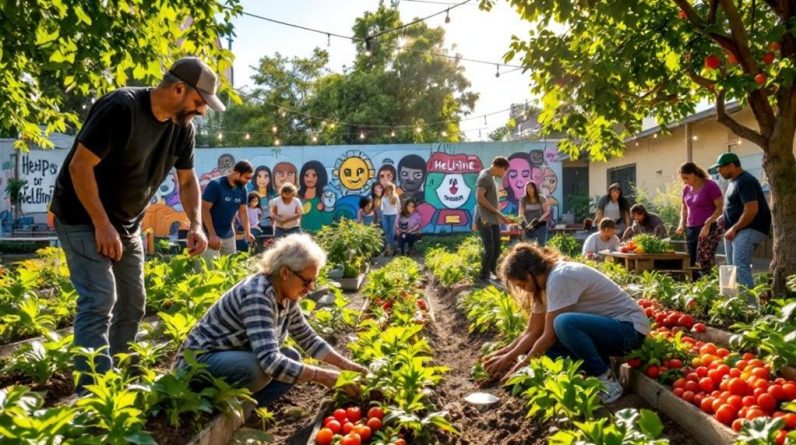
Many of us heal best by starting where we stand—within our language, traditions, and relationships. When I invite culture into my healing, I feel less alone and more rooted. I speak Spanglish with my therapist, cook family recipes, and honor elders’ stories. These practices remind me I come from people who survived, adapted, and loved fiercely. I also set boundaries with compassion, so I don’t carry what isn’t mine while still respecting what is.
- I join or create pláticas—small, confidential circles where we share, breathe, and learn coping skills grounded in our values.
- I use rituals—candles, prayer, music, or altars—to mark grief, gratitude, and growth.
- I look for culturally attuned care: bilingual therapists, promotores, or faith leaders trained in trauma-informed support.
Frequently Asked Questions
How Can Non-Latino Partners Support Healing Without Cultural Appropriation?
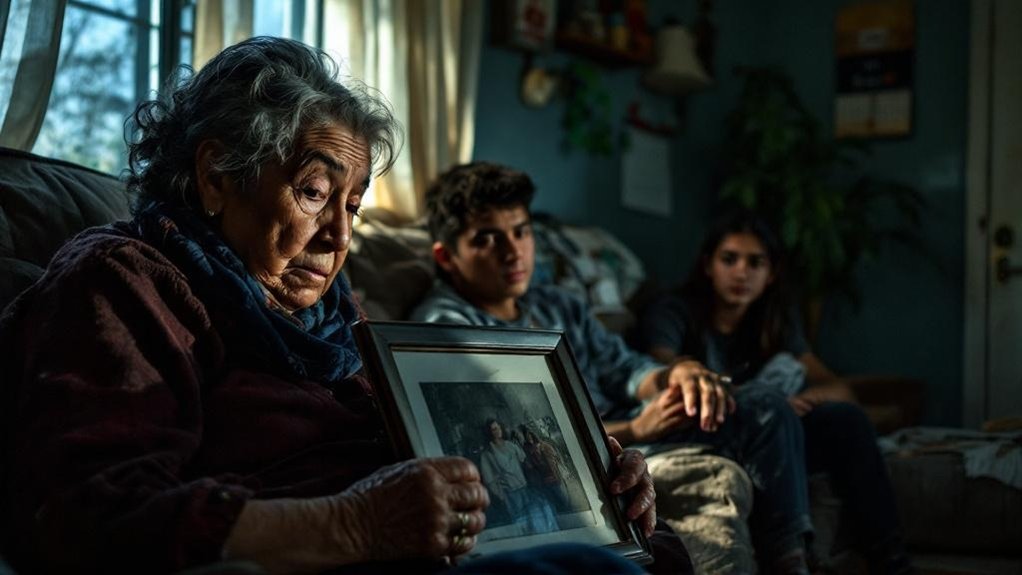
Listen humbly, ask consent, and follow your lead. I educate myself, credit sources, support your boundaries, amplify your voice, attend community events as invited, avoid stereotypes, share resources, and keep learning while letting you define what feels respectful.
What Role Do Immigration Policies Play in Perpetuating Trauma Today?
They fuel ongoing stress through family separation, detention, raids, and uncertainty. I see policies amplifying fear, limiting services, and fracturing trust. You can advocate humane reforms, support legal aid, uplift mental health resources, and challenge dehumanizing narratives in everyday conversations.
Are There Evidence-Based Apps or Digital Tools Tailored for Latino Families?
Yes—I’ve used evidence-based, Spanish-accessible tools like MindShift CBT, Sanvello, Headspace en Español, and Clinica (Casa de las Estrellas). Pair them with FindHelp.org and LatinxTherapy.com directories. Always check cultural fit, privacy, and clinician oversight.
How Can Schools Identify and Respond to Generational Trauma in Students?
Like a tuned radio catching faint signals, I’d train staff to spot patterns, create safe reporting channels, use trauma-informed practices, partner with families and counselors, track data, and respond quickly with culturally responsive support, restorative spaces, and ongoing follow-up.
What Insurance and Legal Rights Protect Bilingual Mental Health Access?
You’re protected by ACA nondiscrimination, Section 1557 language access, Medicaid/CHIP interpreter rights, Title VI, IDEA for schools, and parity laws. I’d request qualified interpreters, translated notices, in-network bilingual providers, file grievances, and appeal denials promptly.
Read The Next Blog Post –
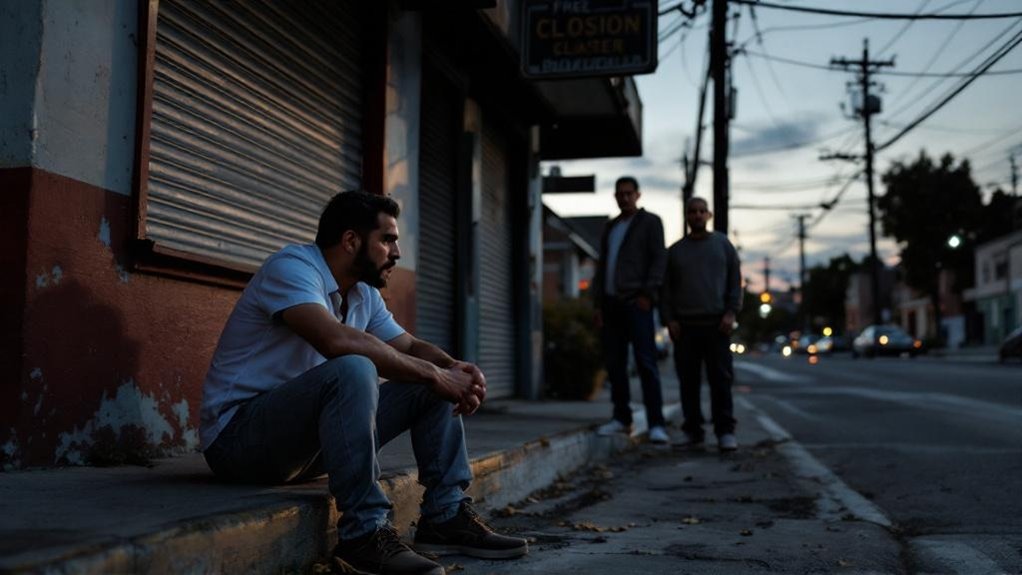
I carry these stories, too. When I worked with Marisol, a second‑gen Mexican American nurse, she never slept—always on alert like her abuela who crossed the border at night. Marisol’s panic felt “unearned,” yet it traced a family map of vigilance, silence, and love. Naming that legacy didn’t erase it, but it loosened its grip. If you recognize pieces of this in your own life, you’re not broken—you’re inheriting. And you can choose what you pass on next.

![[Culturally Sensitive Therapy Options for Spanish-Speaking Communities]](https://purelatinocontent.com/wp-content/uploads/2025/10/culturally_sensitive_spanish_speaking_therapy_options_2ydk0-796x445.jpg "[Culturally Sensitive Therapy Options for Spanish-Speaking Communities]")