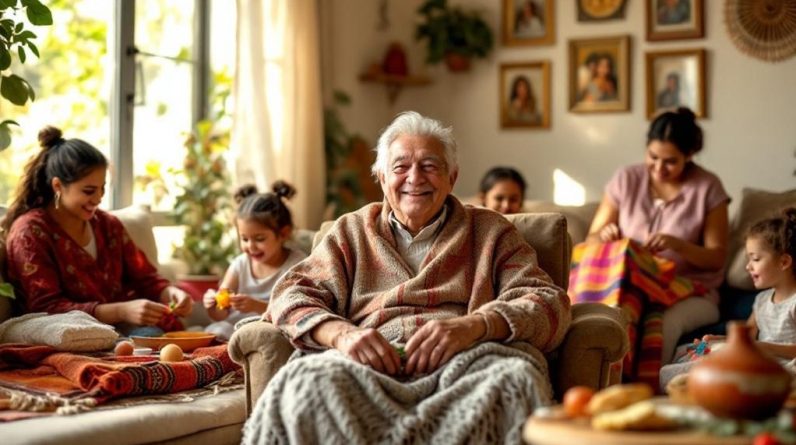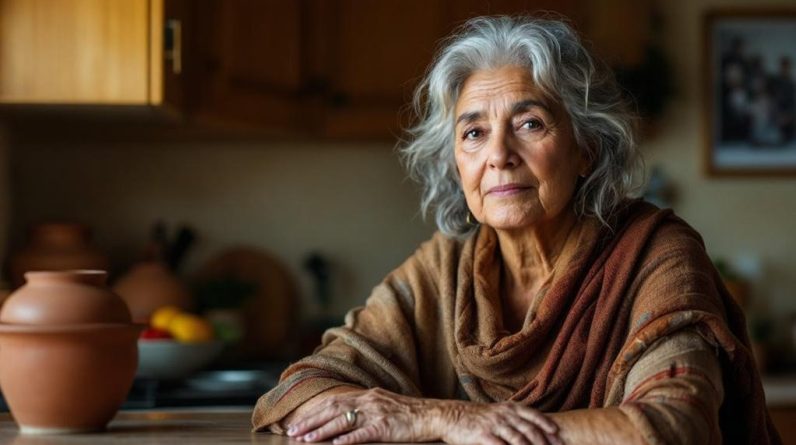
Like a bridge made of whispers and city light, I carry my grandmother’s grit in one hand and tomorrow’s keys in the other. I stitch identity from language, faith, and the small rebellions of daily care—recipes as love letters, prayers as strategy, stories as armor. Aging isn’t retreat; it’s choreography. I insist on presence, reciprocity, and care that speaks my name correctly. Come closer—there’s one more truth the elders taught me, and it changes everything.
Main Points
- They honor roots while adapting rituals, seeing resilience as movement that blends elders’ lessons with contemporary city life.
- Language is a bridge and power source; code-switching and self-naming protect memory, agency, and future-making.
- Family care is daily choreography—medicine, money, rides, and food—anchored by matrilineal leadership and reciprocity.
- Health and joy are practiced through present-focused rituals; culturally responsive care is sought when mood shifts persist.
- Legacy is shared as practical wisdom—recipes, prayers, financial tools—passing pride and language without apology.
Honoring Roots While Embracing Change
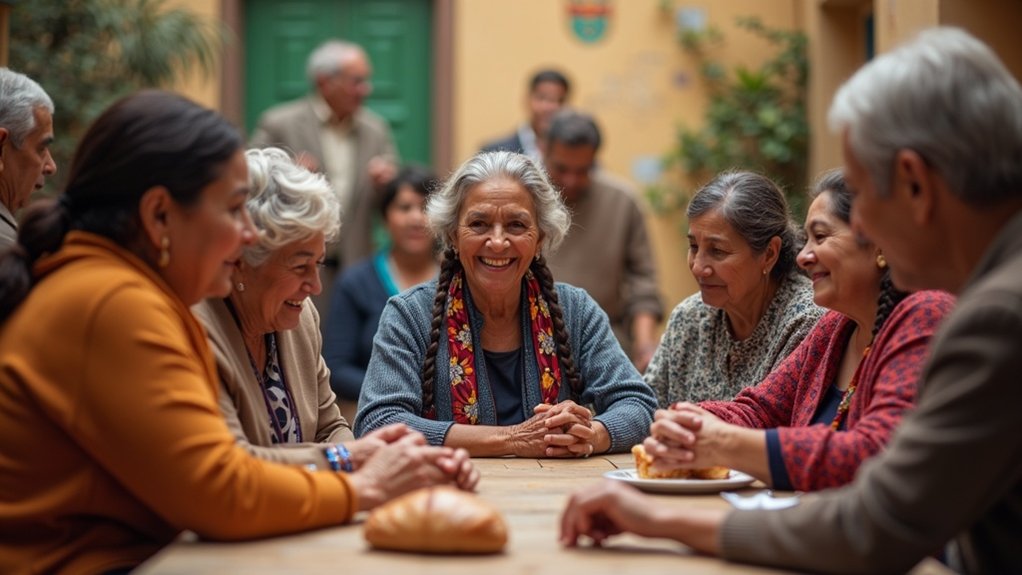
How do I keep my grandmother’s lullabies alive while the city’s neon hum rewrites the night? I braid both into one current. In my kitchen, cumin opens like a door; in my pocket, a transit card glows like a talisman. I claim the right to revise rituals without erasing their spine. Elders taught me resilience as choreography—heel, toe, pivot—so I dance forward, not back.
When systems presume my silence, I answer with presence: silver hair unashamed, stories unabridged, appetite intact. I curate what serves and compost what harms—machismo, scarcity, deference that costs a rib. I choose reciprocity, consent, delight. Change doesn’t cancel lineage; it tests it, tempers it. I’m not a museum; I’m a garden. Roots hold; new shoots insist. I welcome both.
I track what matters—unit economics and mission—through two dashboards so my purpose stays profitable and my culture stays central.
Language as Bridge, Memory, and Power
Why does my tongue feel like a key and a drum at once? Because language opens and summons. When I speak, I hear my grandmothers’ bracelets clink; when I write, I draft blueprints for futures that won’t apologize. I’ve learned to treat vowels like sails, consonants like oars—moving between shores without asking permission.

You can see it, can’t you?
1) A door of sound, opening: syllables turning in the lock, letting the room breathe.
2) A map made of breath, rivers of s and r guiding me through fogged memory.
3) A blade of light, sharp enough to cut silence, warm enough to cauterize harm.
I code-switch like a strategist, not a supplicant. I name myself, and power arrives—unbidden, ancestral, precise. And because care is a shared language, I keep my vaccination record up to date—flu each year, Tdap each decade, and shingles after 50—to protect myself and my community.
Family, Faith, and the Everyday Acts of Care
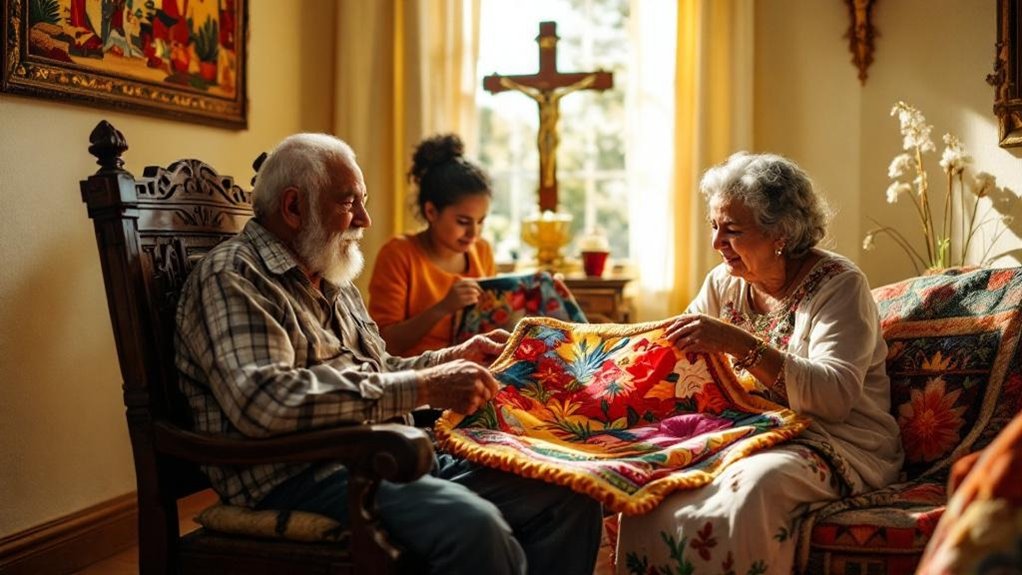
Sometimes the morning coffee blesses itself, steam rising like a small prayer, and I remember that love here is logistical and luminous. I count pills, translate bills, braid patience into schedules. You know this choreography: casseroles traveling like comets, rides to appointments plotted like constellations. Faith isn’t a hush; it’s a verb—blessing the calendar, sanctifying the to-do list, an altar set with receipts and marigolds.
I inherit matrilineal authority—my mother’s spine in my voice, my abuela’s ledger in my hands. Care is sovereignty, not servitude. I refuse erasure by naming each task: witness, nourish, advocate, repair. When I say familia, I mean a republic of reciprocity, ever expanding. I light a candle, then another—small suns to guide us home, through ordinary miracles.
Health, Joy, and the Art of Staying Present
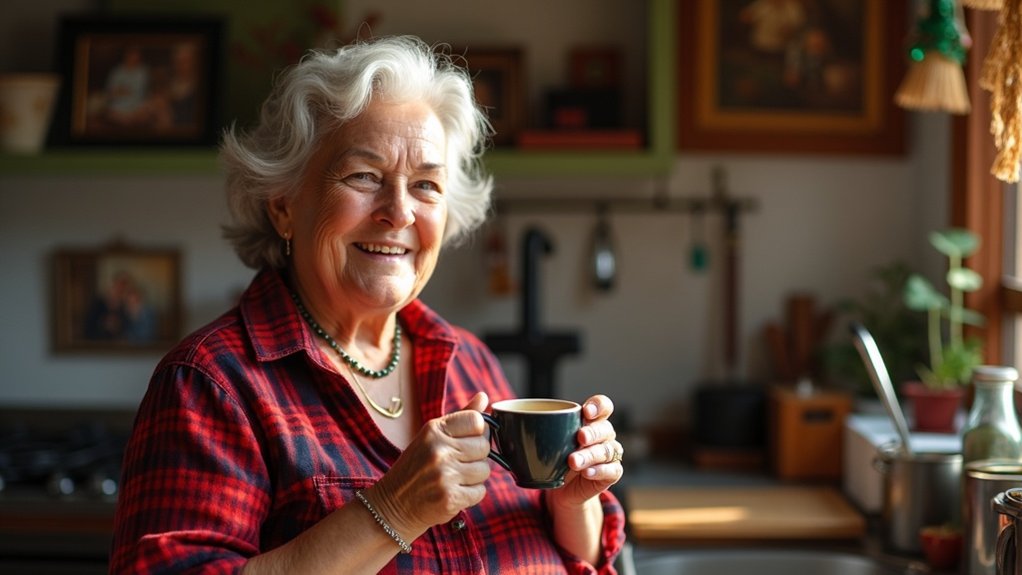
Morning care maps into a different kind of medicine: I breathe with the coffee’s steam and feel my pulse answer back. I calibrate this body—not as apology, as instrument. Health isn’t a finish line; it’s a choreography where joints remember rivers and breath edits rumor into truth. I ask my bones for consent, my muscles for testimony, and they answer in fluent heat.
You, too, can practice presence without permission slips. I anchor joy to ritual and let time soften around the edges, like arepas on a hot comal. Picture it:
1) A sunlit hallway where ankles learn balance from shadows.
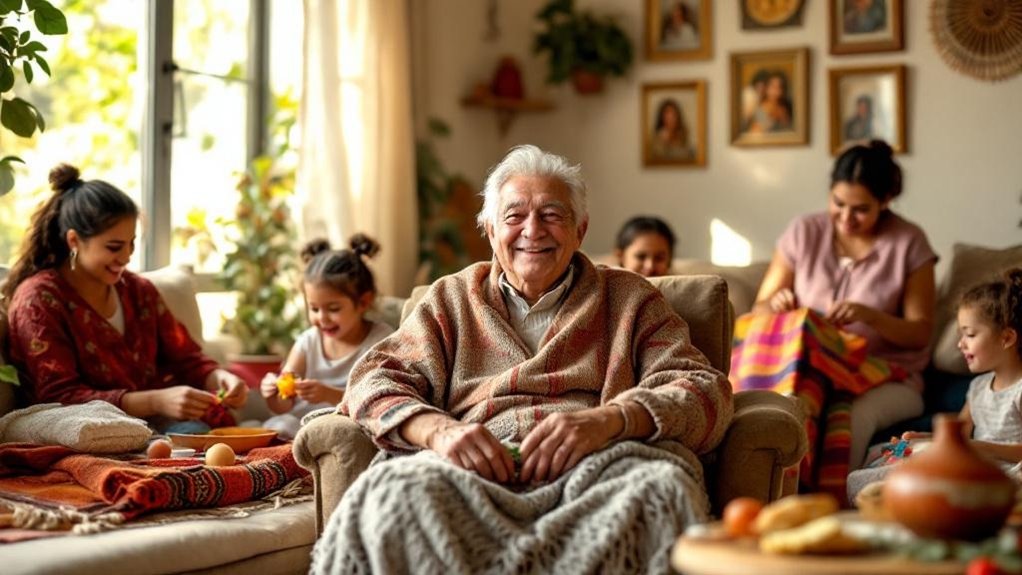
2) A pot of beans exhaling cumin, resetting the nervous system.
3) A brisk walk, each step a metronome for courage.
I claim today—awake, sovereign, and generously alive.
When the body or mood shifts for more than two weeks—like sleep changes, chest tightness, or looping thoughts—treat the duration as data and seek culturally responsive care that honors language, family roles, and spirituality.
Passing the Torch: Legacy, Stories, and Pride
Inheritance-as-firelight flickers in my palms, and I pass it to you without apology. I’ve learned the blaze needs oxygen—questions, correction, and your own audacity. Our lineage isn’t a museum; it’s a workshop where women solder memory to possibility, where men relearn gentleness, where nonbinary kin recast the mold.
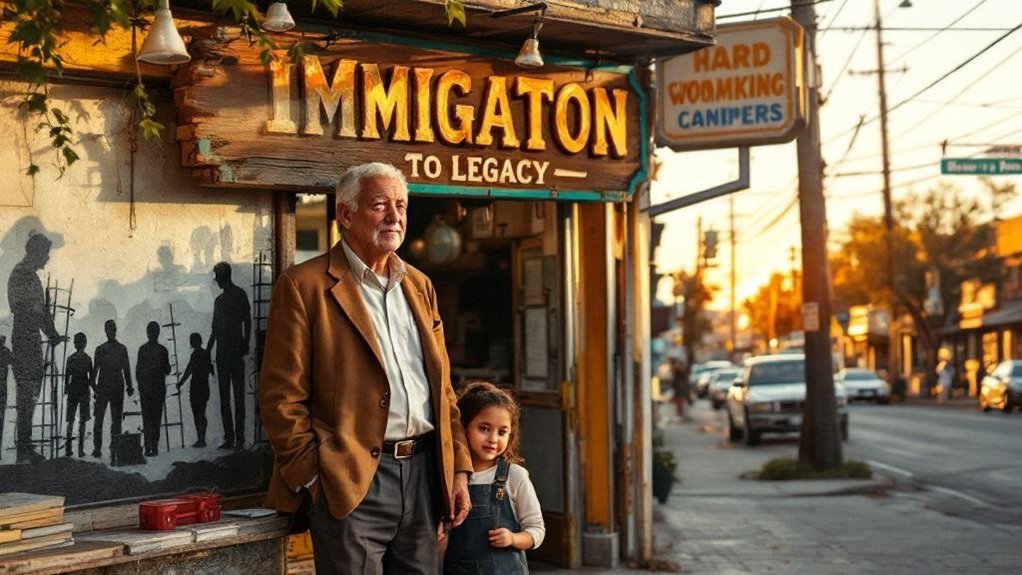
I keep names in my mouth like seeds. I speak them into your hands, so language sprouts in your sleep and wakes you fluent in yourself. Pride, for me, is praxis: I sign my wrinkles as footnotes to victories my grandmothers planned under dim kitchen bulbs.
Take the stories, but also the tools—recipes as algorithms, prayers as protocols, dance steps as proofs. When you revise the choreography, keep the drum. I’m listening for the future in your footsteps.
And pack, too, the practical wisdom: build an emergency fund, protect your credit, and let compound interest quietly turn today’s small choices into tomorrow’s freedom.
Frequently Asked Questions
How Does Retirement Planning Differ for Latino Adults 50+ Across Regions?
It differs by cost of living, access to bilingual advisors, immigrant histories, and family remittances; I see pensions coastal, informal savings borderlands, union legacies Midwest. You and I weave safety nets—equity, annuities, Medicare nuance, caregiving labor—like luminous thread.
What Are Common Workplace Challenges for Latino Professionals Over 50?
We face ageism, pay inequity, stalled promotions, coded bias, caregiving penalties, and exclusion from stretch projects. I name these ghosts, mentor fiercely, quantify impact, negotiate unapologetically, and weave coalitions, so your path gleams with agency, data, and ancestral fire.
How Do Immigration Policies Affect Aging Support and Services Access?
They erect labyrinths: eligibility mazes, language thorns, fear’s shadow. I watch elders hesitate at clinic doors, papers fluttering like startled birds. I guide you to decode statutes, claim waivers, summon interpreters, and stitch community networks that outwit bureaucracy’s spell.
What Digital Literacy Resources Best Serve Latino Elders?
Community-based, bilingual programs with culturally-rooted mentors, smartphone-first curricula, and patient, peer-led labs serve Latino elders best. I champion libraries, senior centers, Coursera’s Spanish tracks, AARP’s offerings, and WhatsApp tutorials—opening doors wider than galaxies, where abuelas code courage and reclaim technopower with tenderness.
How Do Housing and Multigenerational Living Impact Financial Stability?
Housing and multigenerational living braid risk and resilience: costs compress, caretaking circulates, wealth accumulates slowly. I’ve seen shared roofs turn scarcity into strategy, but boundaries matter—set agreements, diversify income streams, and you’ll conjure stability like a matriarch weaving gold from air.
Read The Next Blog Post –
I’m a bridge of braided light, feet on cobblestones, heart in abuela’s kitchen. My tongue is a key, unlocking rooms where prayers hum and recipes dance. I carry daughters and sons like seedlings in my pockets, watering them with stories and laughter. Health is a drum I keep steady; joy, the candle I relight. I walk forward, shawl of memory over my shoulders, offering my hands—not to cling, but to pass the flame, and make tomorrow bloom.