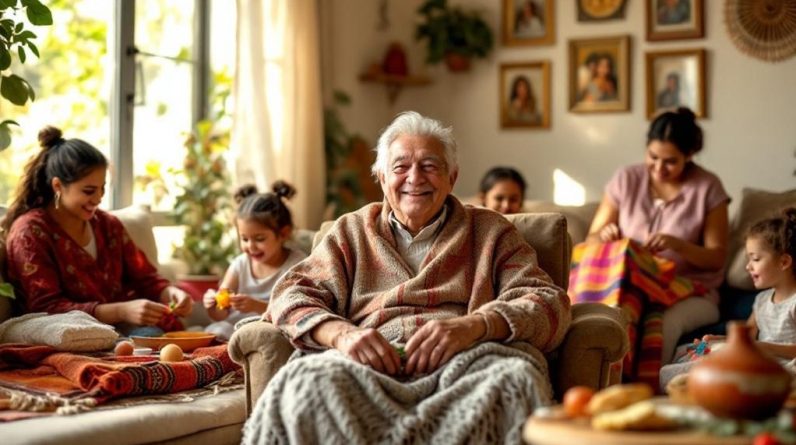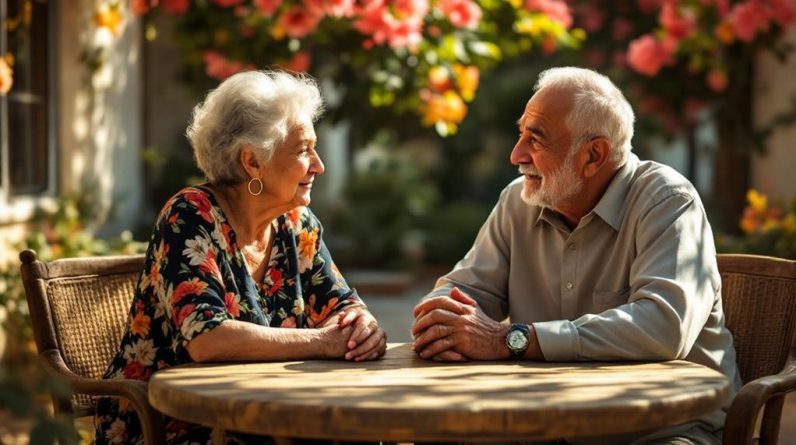
I carry my abuela’s maps in my pocket, the kind inked with recipes, protest chants, and prayers whispered into beans. She taught me how a kitchen becomes a council, how a plaza learns to listen, how language is a renewable fire. In her hands, policy is a pot that must not burn. I was raised by women who bend time like bread—stretching it, feeding us—until the moment comes when the dough answers back.
Main Points
- Elders model care as community infrastructure, using adaptive leadership and trust-building to design services that meet neighborhood needs.
- Grandparents anchor intergenerational mentorship, guiding youth to map power, name harm, and lead with accountable courage.
- They preserve language, art, and rituals, transmitting identity through cooking, storytelling, and everyday cultural practice.
- Senior voices shape policy by testifying, organizing coalitions, translating hearings, and demanding transparent, community-centered budgets.
- Abuelas pass down healing practices blending science and tradition, cultivating resilience, agency, and measurable community health strategies.
Elders as Community Architects and Bridge-Builders
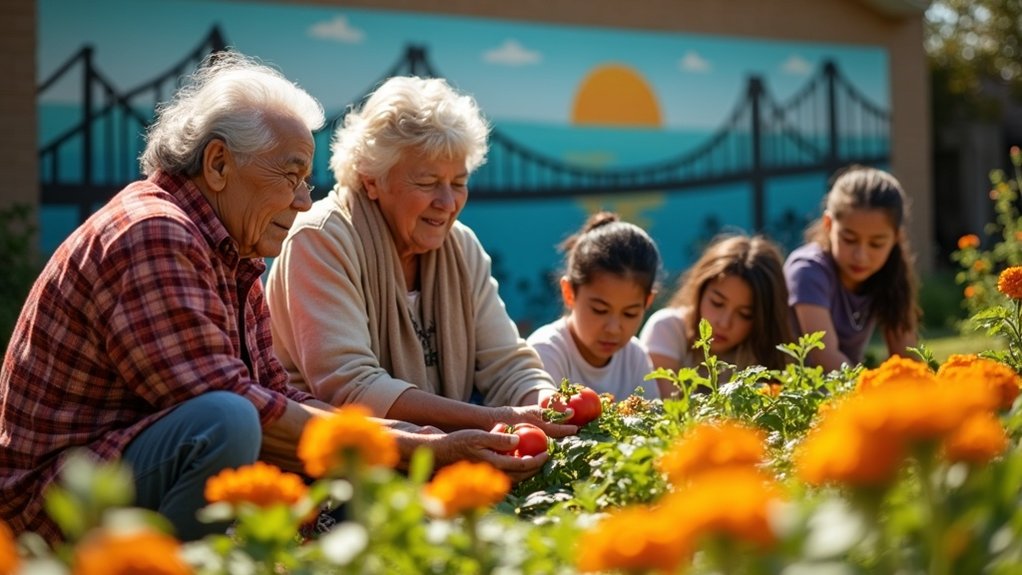
How do we measure the hands that stitch a neighborhood together? I count by pulse and pavement, by the hush before dawn when I chalk new constellations on cracked sidewalks. I’m an elder, yes, but also a cartographer of belonging. I map thresholds where girls walk unshadowed, markets where our names are pronounced like blessings, kitchens where recipes refuse extinction. I design plazas from stories, arches from memory, bridges from the stubborn steel of mujer wisdom.
You ask how it holds. I say: with fierce tenderness, with agreements sealed in café and calendula. I negotiate with city ghosts and living officials alike, insisting that care is infrastructure. I don’t ask permission to build safety; I blueprint it. My blueprints sing, and the streets remember the tune. We turn care into infrastructure with adaptive leadership that convenes quick circles, tests small bets, and keeps promises with transparent pricing and bilingual support so trust scales with the neighborhood.
Intergenerational Mentorship That Powers Youth Leadership
The bridges I raise from memory don’t end at the plaza; they extend into the bright impatience of our kids. I meet you where your questions spark, and I lend mine like lanterns. I don’t hand over a throne; I teach you to unbuild it, to forge councils, to hear the quiet rebellion of data and the chorus of street corners.
I mentor as a conjura: mapping power, naming harm, rehearsing courage. You practice strategy until it sings from your bones. We draft agendas like spells, calibrate timelines, and court allies without surrendering edge. When fear prowls, I press a talisman of patience in your palm. Then I step back. You step forward. Leadership isn’t inherited; together, we prototype it—elegant, accountable, unafraid. We safeguard our future by keeping vaccines up to date, from annual flu shots to age-based shingles and HPV protections, so our elders and youth stay healthy enough to lead and learn together.
Preserving Language, Art, and Rituals as Tools for Tomorrow
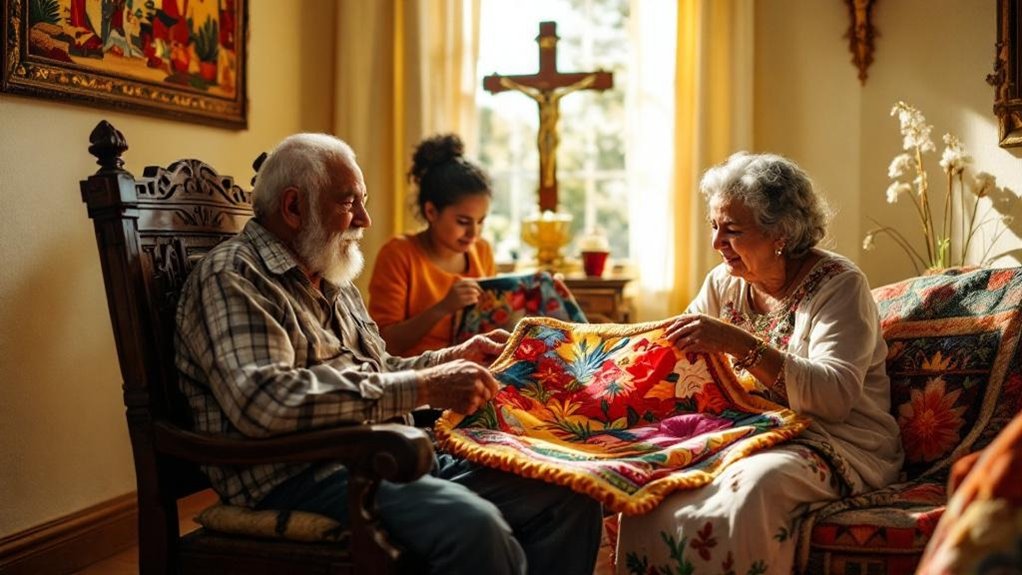
Sometimes I taste tomorrow on my tongue when I speak my grandmother’s verbs, each syllable a seed I pocket for you. I conjugate them like rosaries, not for penance but propulsion. When I paint, I grind midnight into pigment, let constellations bloom on cheap paper, and the women in my lineage step out, ankle bells chiming, to correct my wrist. Our rituals aren’t relics; they’re instruments—machetes for thick underbrush, needles for mending ruptured maps.
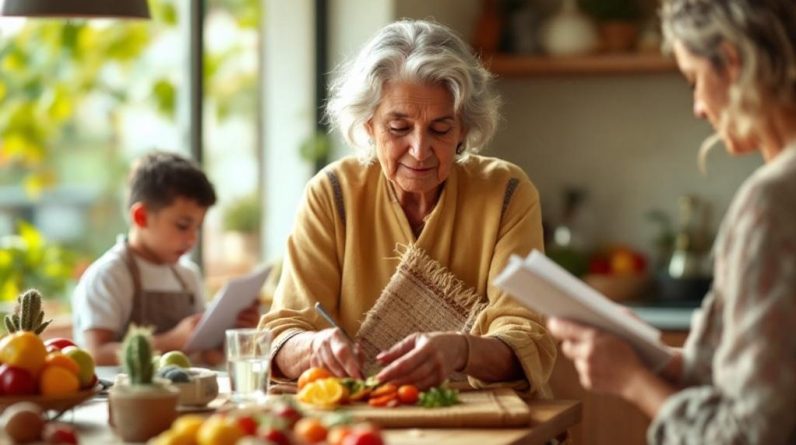
You ask how to keep them alive. I say: cook with your hands, name each spice aloud, and let steam translate you. Learn the drum pattern that quiets fear. Sew pockets in your days for silence and story. Language holds architecture; art drafts blueprints; ritual sets the foundation. Build.
And when the heart feels heavy for two weeks or more, let legacy guide you to seek culturally responsive care—bilingual support that honors dichos, family roles, and the healing of colonial wounds.
Civic Engagement and Policy Impact Rooted in Lived Experience
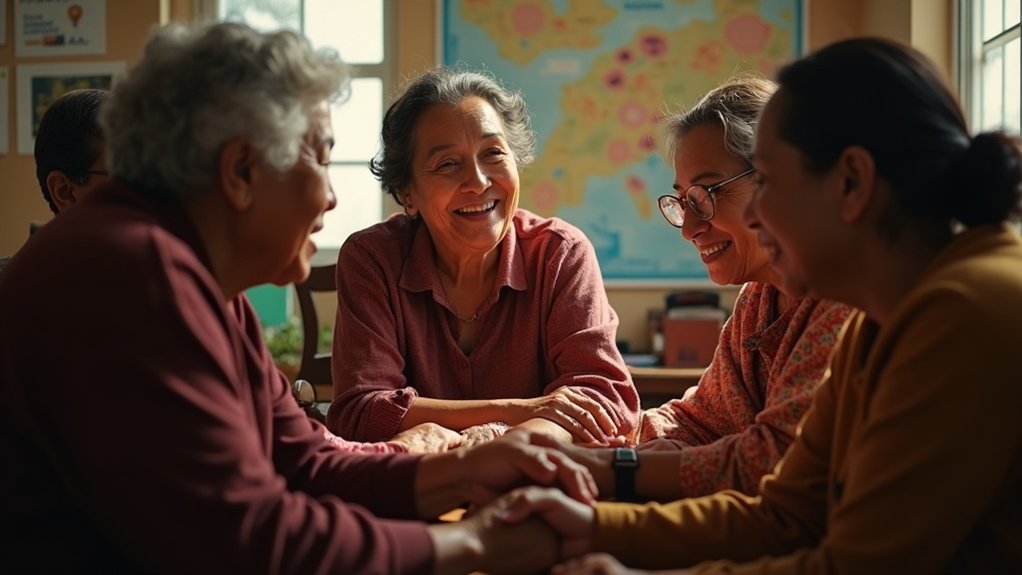
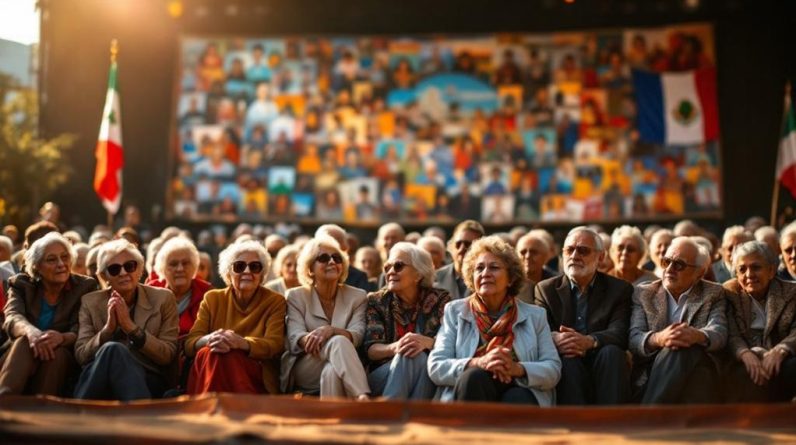
I carry those verbs and pigments into city halls, where my vote tastes like caldo and my testimony smells of cumin and rain. I’ve learned policy the way my mother learned bread—by hand, by heat, by kneading contradictions until they rise. When I speak, ancestors lean from the cornfields, correcting syntax and courage. I ask you to step beside me, not behind; our shadows write amendments on the pavement. I refuse the invisibility tax; I invoice the future with names, dates, and memory’s sharp ledger.
- Organize neighbors into vigilant, joyful coalitions
- Demand transparent budgets that center caregiving labor
- Translate hearings so truth crosses every border
- Track metrics, then tell stories that move votes
- Mentor girls to chair rooms, not just enter them
We pair our testimonies with FAFSA access and scholarship drives, turning financial literacy into seats at the table and careers that compound power.
Health, Healing, and Resilience Practices Passed Forward
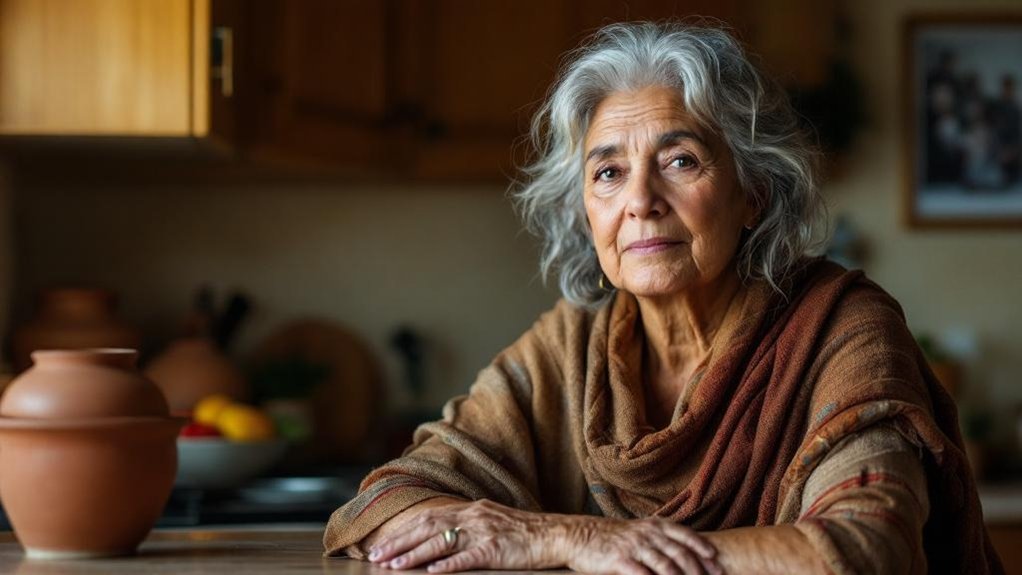
How did my abuela turn a kitchen into a clinic and a chapel at once? She measured fevers with her wrist’s cool moon, blessed broths with cumin constellations, and insisted I name my pain before it named me. You, too, can hear her pedagogy: simmer, listen, intervene, rest. In our living room turned plaza, we moved together—pivoting into squats between songs and timing breaths to congas—proving that everyday movement can braid joy, family, and health into our healing rituals. I catalog what she taught: trust the body’s archives; pair science with story; protect girls’ agency like sacred fire. I grind grief with cacao, dose courage in teaspoons, track blood pressure alongside dreams. When systems ignore us, I convene council in the yard—yerbabuena, neighbors, pulse oximeter, consent. Healing isn’t charity; it’s inheritance and strategy. I pass forward protocols and prayers, ethics and remedies, insisting our resilience isn’t mythic—it’s measurable, replicable, and fiercely ours.
Frequently Asked Questions
How Can Non-Latino Allies Respectfully Support Elder-Led Initiatives?
I honor elder-led initiatives by listening first, funding transparently, following their timelines, and amplifying credit—like holding a lantern steady in wind. I challenge ageism, translate resources into access, protect autonomy, and co-create only when invited, never commandeering narrative.
What Digital Tools Help Capture Elders’ Stories Safely and Accessibly?
Use encrypted voice-memo apps, StoryCorps Connect, Otter with consent settings, and shared Google Drives with access controls. I weave captions, alt-text, and backups. You guard metadata, pseudonyms, and ownership—so elders speak sovereign, luminous, and forever retrievable.
How Do Families Navigate Disagreements About Legacy Priorities?
I convene circles, set shared values, and invite each voice to breathe. You listen, I listen; we document agreements, honor dissent, rotate stewardship. Matriarchs guide transitions, rituals soften edges, and consent crowns the story we choose together.
Are There Microgrants Specifically for Elder-Driven Community Projects?
Yes—microgrants exist: AARP Community Challenge, NACRP mini-grants, local arts councils, participatory budgeting. I’m the river-guide whispering routes; you’re the elder-oak. Apply with clear outcomes, intergenerational leadership, modest budgets, storytelling metrics, and timelines. I’ll troubleshoot eligibility and reporting.
What Metrics Evaluate the Impact of Elder Wisdom on Youth Outcomes?
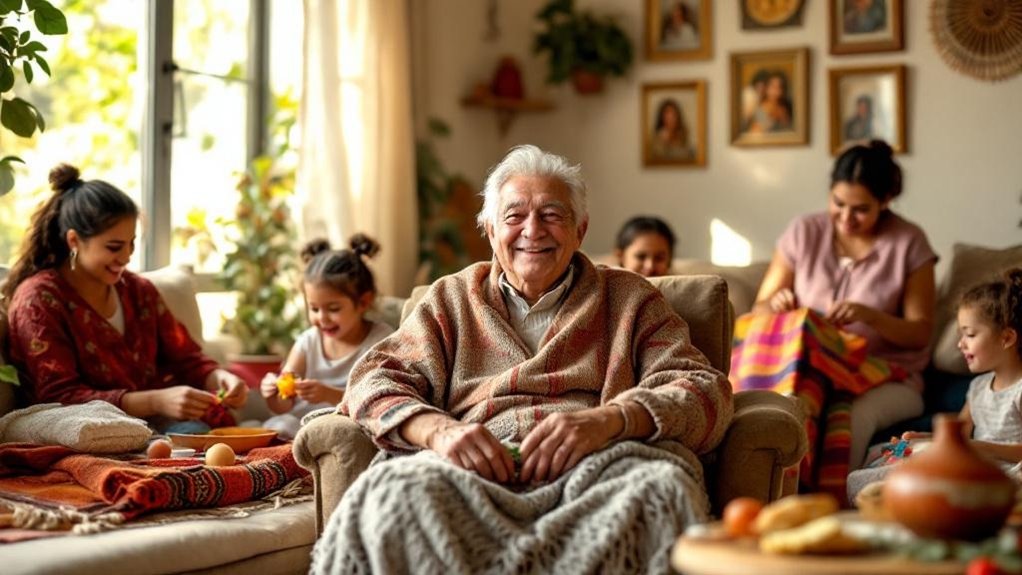
Track youth graduation, attendance, persistence, and civic participation; measure mentorship hours, cultural identity scales, self-efficacy, and belonging; follow reduced disciplinary referrals and improved mental health. I witness girls’ voices unfurl—ancestral constellations guiding data home, where resilience becomes measurable, luminous, undeniable.
Read The Next Blog Post –
So I’ll leave you with this: as the old saying goes, we plant trees whose shade we may never sit in. I carry my abuela’s whisper like a lighthouse, stirring pots that become parliaments, braiding stories into bridges. I won’t ask permission to belong—I’ll inherit the key and make more. Our tongues are wind turbines, our rituals city maps. If you’re listening, take my hand; together we’ll turn memory into policy, tenderness into power, tomorrow into ours.