I swear the elders carry whole continents in their lungs, exhaling maps I can almost touch. When I sit with them, work and worship braid like river currents, kinship drums under the floorboards, and the kitchen clock keeps time in two languages. I press record with care—consent, context, metadata—as if cupping a candle in wind. Because in their pauses are policies, in their scars are schools, and if we listen now, something long buried might finally knock.
Main Points
- Elders’ migration stories map routes, risks, and resilience, preserving coordinates of hunger, hope, and community survival absent from official archives.
- Their testimonies inform policy—clinic hours, bilingual staffing, and mobile services—turning memory into budgeted public goods.
- Work and organizing histories reveal how unions, mutual aid, and cultural care transformed isolation into durable community power.
- Faith, family rituals, and financial practices transmit values, biliteracy, and intergenerational strategies that shape American cultural and economic life.
- Ethical oral histories—clear consent, metadata, bilingual spellings—ensure longevity, accuracy, and accessibility of Latino elders’ contributions to the national record.
Elders as Living Archives of Migration and Movement
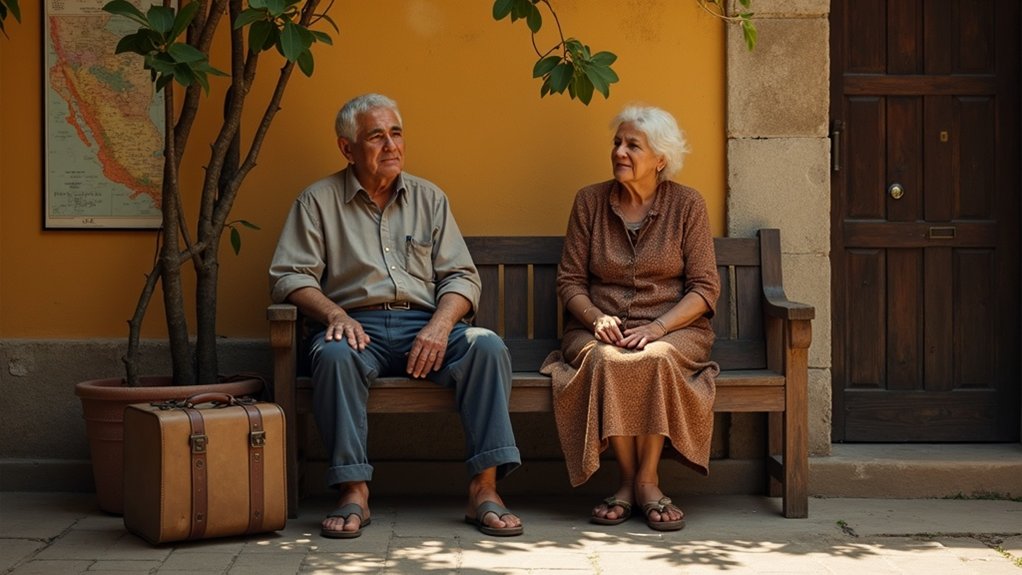
Some nights, I swear our elders carry whole border crossings in their breath. When they exhale, maps unfurl—salt-slick highways, train shadows, moonlit checkpoints—etched on the air like prayer. I listen, not for nostalgia, but for coordinates. Each story calibrates my compass: the names of towns folded into rosaries, the scent of diesel stitched to lullabies, the careful arithmetic of hunger and hope.
I ask, and they open doorways. A palm becomes a coastline; a scar, a mile marker. Their pauses teach me tempo, their glances dictate weather. I record the shifts—how language bends, how silence guards what survived. In their voices, I hear logistics disguised as myth, strategy braided with tenderness. I leave each conversation provisioned, my pockets heavy with usable stars.
For elders who travel or visit family abroad, keeping vaccination records up to date and consulting CDC travel vaccine guidance helps protect them and the community, especially infants, elders, and immunocompromised kin.
Work, Organizing, and the Making of Community Power
How do I tell you that labor, in our elders’ mouths, becomes a spell that builds kitchens, clinics, and picket lines from thin air? I listen, and the hammer beats like a drumline teaching time. They show me how wages become windows, how strikes bend history’s metal until it fits a human hand.
I carry their whispered blueprints: storefront unions sketched on napkins, organizing maps inked with sweat and midnight coffee. They teach leverage—names learned, doors knocked, patience timed like yeast. I watch rights rise from petitions like bread, nourishing courage.
You ask for method; they give metrics: headcounts, dues, rotation of roles. But the secret is alchemy—turning isolation into architecture, grievance into governance, and every small victory into a lighthouse others can see.
In these stories, elders also model seeking culturally responsive care, from bilingual clinics to faith-based supports, so organizers can sustain their minds while they build community power.
Faith, Family, and Cultural Traditions That Endure
The same elders who taught me to turn petitions into bread also light candles that refuse to go out, and I follow their glow into kitchens fragrant with cumin and hymns. You can hear the rosary count time like a metronome while a pot of beans debates eternity. I’ve learned doctrine from aprons, theology from laughter after grief.
I bring you close so you can feel the braid: faith knotted to family, family stitched to ritual—baptisms, quinceañeras, velorios—each ceremony an archive of breath. Saints mingle with ancestors; the Virgin leans over the stove, blessing the masa. In these rooms, dignity wears a shawl, patience stirs memory, and language returns home. Trust this: our elders make tomorrow sturdy by sanctifying today. And as they pass down recipes and rosaries, they also model weekly money check-ins, teach grandkids about compound interest, and show how small savings and scholarships can strengthen the family’s future.
Methods to Record Stories: Oral Histories, Media, and Memory Work
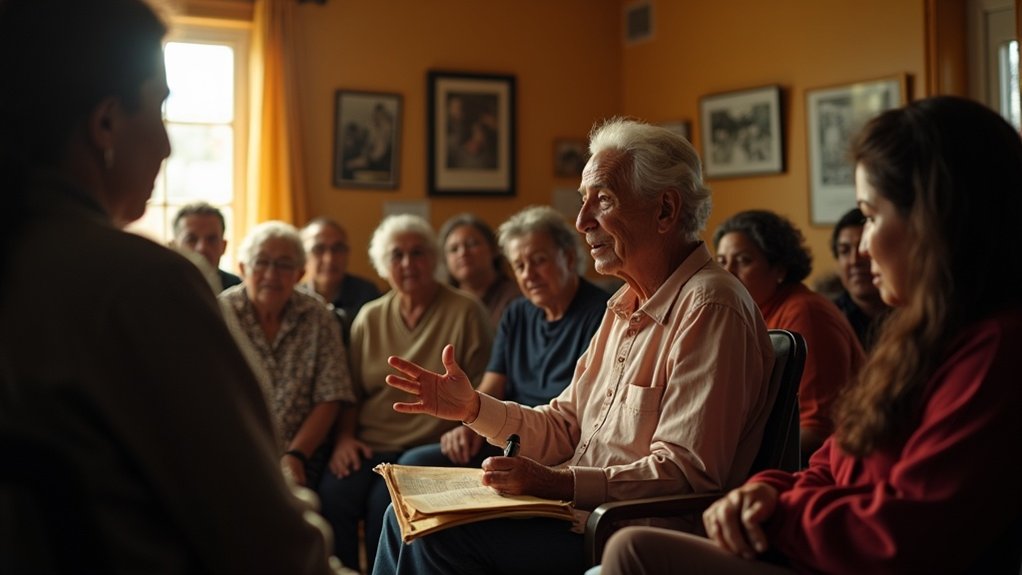
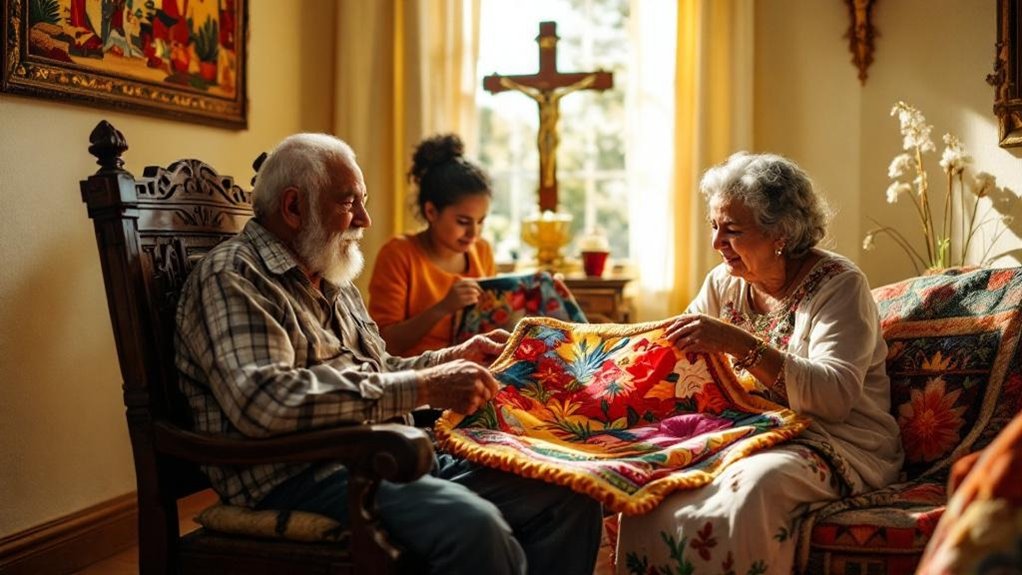
Suddenly, stories ripen like figs in my palms, and I press record before their sweetness fades. I begin with breath and pause—oral history as ceremony. I ask one generous question, then let silence braid memory’s strands. I date the tape, mark emotions, track the arc: origin, rupture, return.
I court media that honors texture: a phone for quick truth, a lav mic for whispers, portraits in morning light, scans of recipes annotated in grease and love. I anchor metadata: names, places, spellings in Spanish and English, consent clear and revisitable.
Memory work becomes choreography. We map objects, smells, songs; we caption photographs with verbs, not labels. I back up thrice—cloud, drive, archive—and craft transcripts like scores, ready to be sung again.
To honor both culture and clarity, I pair each recording with bilingual onboarding notes and transparent consent steps, so families can revisit and trust the process while reducing confusion.
From Stories to Policy: Shaping Education, Health, and Civic Life
Sometimes a single story walks into a council chamber like a lantern, and policy can’t pretend not to see. I carry elders’ voices like seed corn, and I’m asking you to plant with me. When a grandmother maps her trek through desert clinics and closed doors, I translate it into clinic hours, bilingual staffing, mobile vans. When a retired janitor recalls teaching fractions on night shifts, I draft curricula that honor biliteracy and wage time.
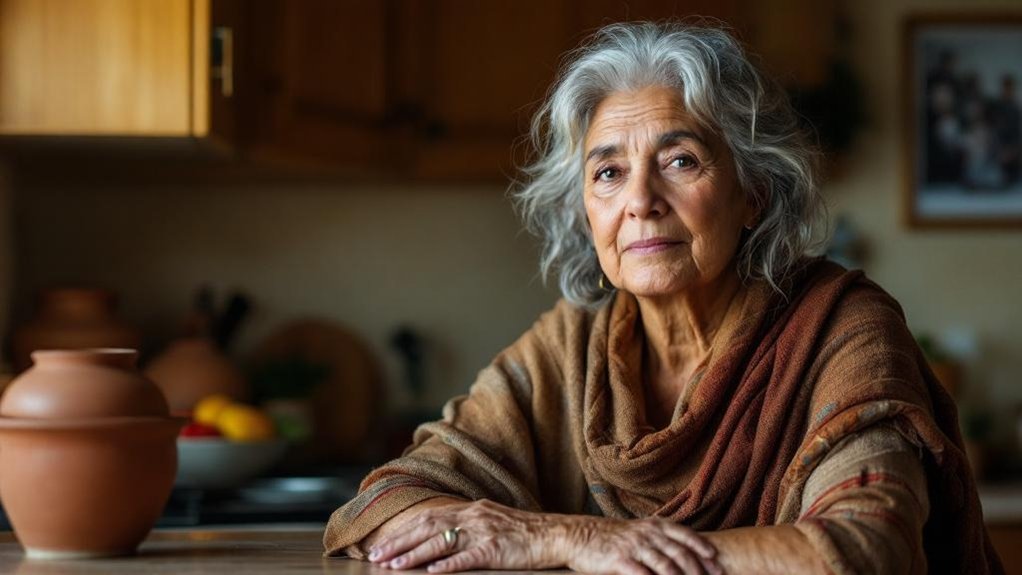
I bring their memories to hearings as evidence, not relics: asthma becomes air monitors near schools, eviction becomes right-to-counsel, poll lines become weekend voting. I stitch metrics to myth, pilots to prayers. You know this craft: we turn testimonies into budgets, budgets into shelters—policy into a promised morning.
Frequently Asked Questions
How Can Non-Latino Allies Support Intergenerational Storytelling Respectfully?
Listen first, ask consent, compensate elders, and honor their cadence. I’ll share platforms, translate faithfully, cite sources, archive carefully, and return stories home. You’ll follow community guidance, avoid extractive framing, co-create narratives, and safeguard memory like sacred fire.
What Ethical Consent Forms Best Protect Elder Storytellers?
I recommend layered, plain-language, revocable consent with cultural clauses and usage limits. Since 61% fear misuse, I’d include audio-visual rights, withdrawal windows, community review, translator attestations, trauma opt-outs, data retention terms, and clear compensation and ethics contacts.
How Do We Compensate Elders Fairly for Their Narratives?
Pay stipends matching market rates, grant royalties, ensure co-authorship, and fund healthcare, travel, time. I honor community review, transparent contracts, and perpetual attribution. I treat their stories as living constellations—investments, not tokens—so value circulates like rain returning to roots.
Which Archives Accept Bilingual Submissions From Community Members?
You’ll find welcoming doors at the Library of Congress, Smithsonian’s Community Curation, DPLA hubs, Internet Archive, UCLA Chicano Studies Research Center, and Calisphere. I’ll gladly guide your Spanish-English offerings, letting soft thunder speak for remembered rain.
What Digital Tools Ensure Long-Term Access Without Surveillance Risks?
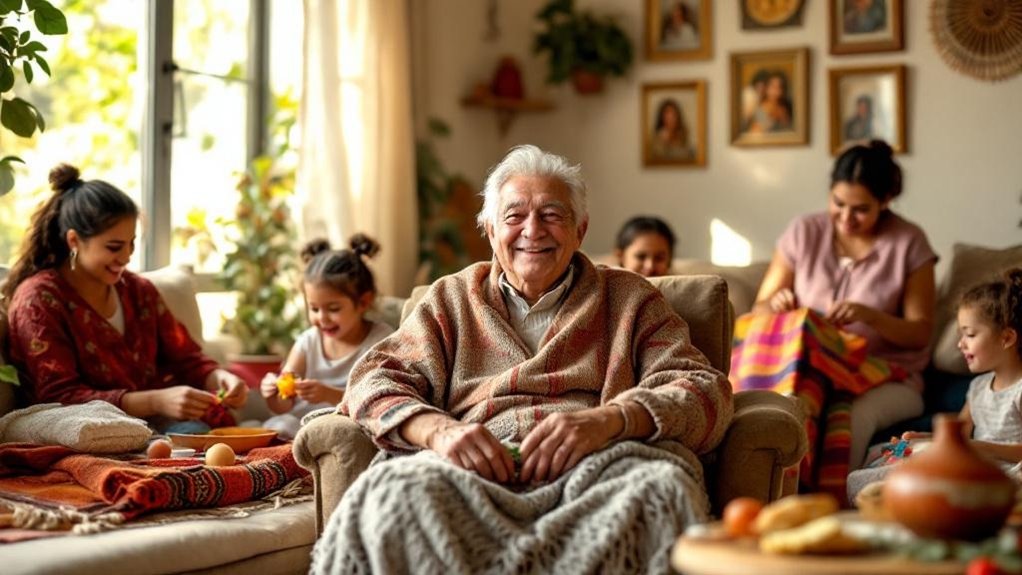
Use offline-first, open-source tools: Tails, Signal, Veracrypt, OnionShare, PeerTube, IPFS with client-side encryption, and self-hosted Nextcloud. I guard metadata, rotate keys, practice threat modeling, and document workflows—so your memory walks untracked, yet endures like luminous seed.
Read The Next Blog Post –
I keep testing this quiet theory: that elders breathe cartography, and if I listen long enough, borders loosen their grip. Each story feels like a lantern pressed into my palms—work songs, rosaries, picket lines, recipes—lighting corridors I thought were walls. When I tag the metadata and honor consent, memory stops being fragile and becomes policy-shaped. I hear the future step closer, bilingual and unafraid, and I know: we don’t just record history—we teach it to keep walking beside us.