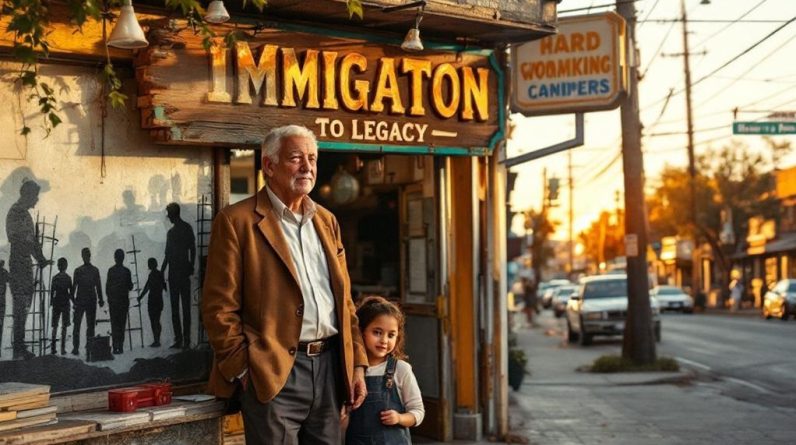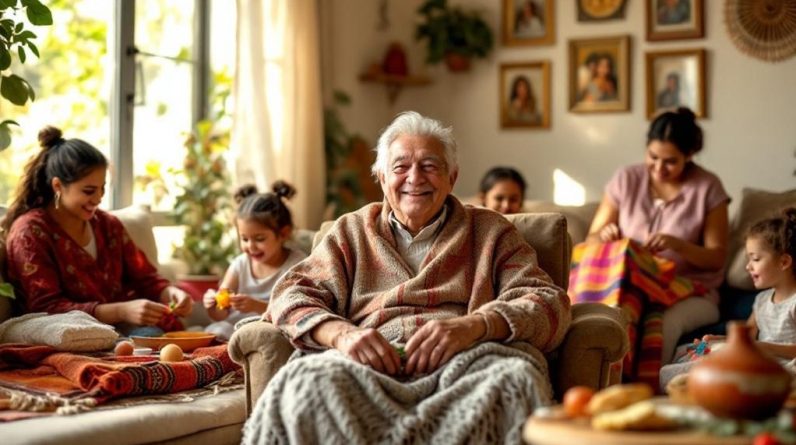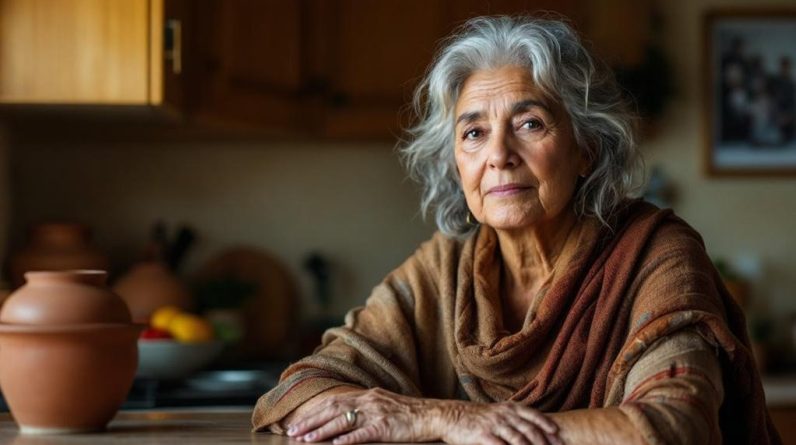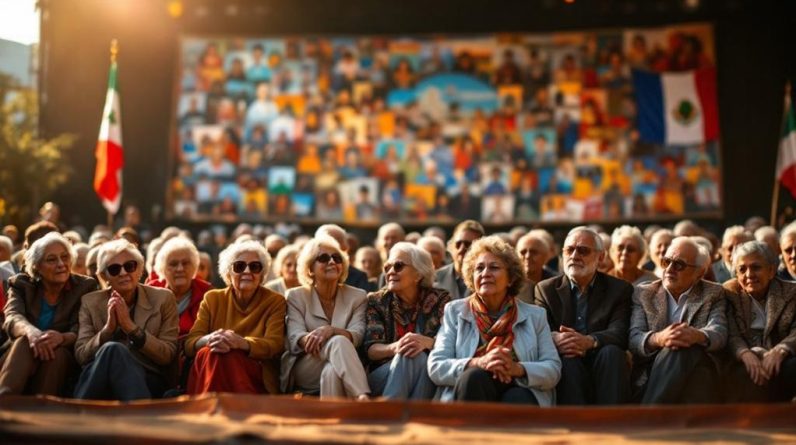
We didn’t arrive here by accident; we were carried. I write to you with abuela’s rosary ticking like a policy clock, her kitchen smoke curling into council chambers. I learned budgets from lullabies, ballots from border winds, and I wear their names like a sash of small suns. I’m asking you to walk with me—quiet at first—so we can hear the elders map the room and decide which doors must open next.
Main Points
- Leadership roots in ancestral stories; elders’ names, proverbs, and rituals shape identity, authority, and ethical decision-making.
- Migration experiences translate into civic power—footsteps to ballots—turning hunger and vigil into policy agendas and representation.
- Intergenerational coalitions blend youth velocity with elder longitude, using culturally responsive care and bilingual spaces to build trust.
- Institutions are transformed by equity metrics: bilingual access, budget transparency, supplier diversity, and executive pay tied to community impact.
- Storytelling braids testimony with data, converting abuela’s prayers into measurable goals and sustaining legacy through policy wins and shared cadence.
Honoring Ancestry: How Lived Histories Shape Leadership
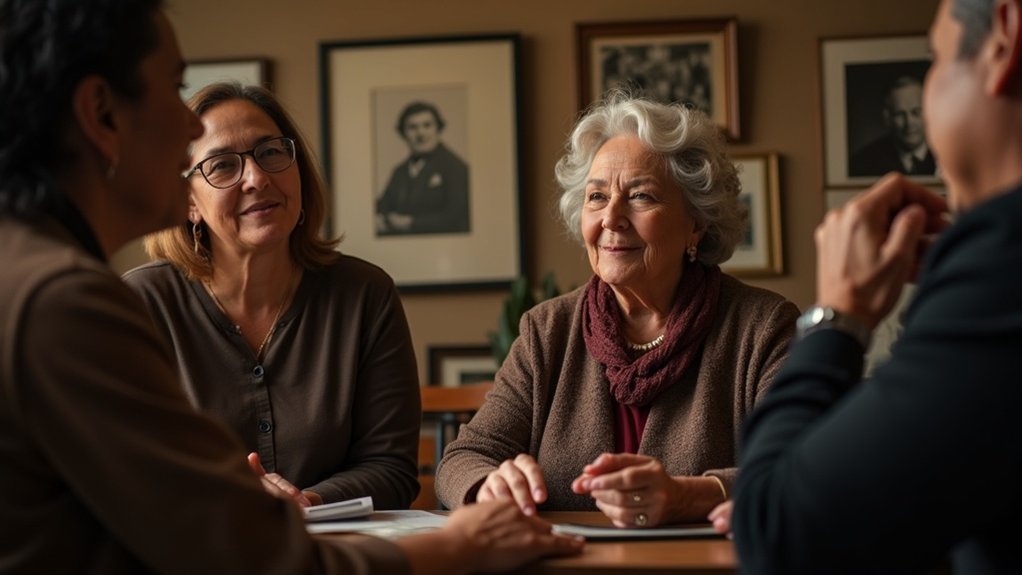
How else can I explain that my leadership began at the kitchen table, where the steam from caldo rose like incense and my abuela’s stories stitched time into my spine? I learned cadence from wooden spoons keeping time on enamel pots, strategy from rosaries counting risks and mercies. The elders’ names—half prayer, half map—charted thresholds I now cross with deliberate feet.
I carry their proverbs like instruments: tune the ear, temper the flame, serve the last bowl first. When decisions tighten like knots, I breathe the cumin air of memory and pull until the cord yields a path. Authority, for me, isn’t a pedestal; it’s a mesa set for guests and ghosts. I listen, translate weather into counsel, and lead by honoring the hands that seasoned me. And as we honor them in motion, we turn family time into movement—letting music lead, timing breaths to congas, and mastering technique while preserving joy through quick workouts woven between songs, errands, and everyday rituals.
From Migration to Mobilization: Building Power Through Representation
When did a border become a drumline? The night my mother’s suitcase learned to echo, every stamp transformed into a beat I still hear under speeches. I tell you this because power begins in cadence—papers, footsteps, then ballots—sound becoming structure. I learned to translate hunger into agenda, vigil into vote count, absence into quorum. Representation isn’t a portrait; it’s choreography. I step into chambers with my grandmother’s rosary clicking like a metronome, and policy keeps time.
I ask you to listen for the offbeat—where names mispronounced become amended statutes. I carry maps tattooed in memory: detours we survived, precincts we claimed. I practice precision—motions, metrics, oversight—until our story enters the record. Migration taught direction; mobilization taught velocity. Together, they yield authority. And because power is sustained by informed choices, we pair civic voice with financial literacy—tracking cash flow, protecting credit, and pursuing education and scholarships—to convert representation into long-term wealth for our families.
Coalition-Building Across Generations and Communities

The first alliance began as a whispered pact between my pulse and my elders’ breath, a bridge stitched from lullabies, picket chants, and kitchen-table treaties. I learned to listen for strategy inside stories, to translate grief into choreography—one step for memory, one for tomorrow. When I approach you, I bring a ledger of names and a basket of thresholds. We trade rituals: your river against my desert, your hymn with my corrido. We meet where courage overwrites scarcity.
I convene circles that honor both canes and skateboards, rosaries and broadband. The young lend velocity; the elders offer longitude. We map trust with questions sharper than headlines. I keep accounts: who cooks, who calls, who carries. Coalition, then, becomes inheritance practiced aloud. And when our circles need healing, we turn to culturally responsive care that honors dichos, family roles, and bilingual space, so our advocacy is sustained by mental health support.
Transforming Institutions: Policy, Education, and Corporate Influence
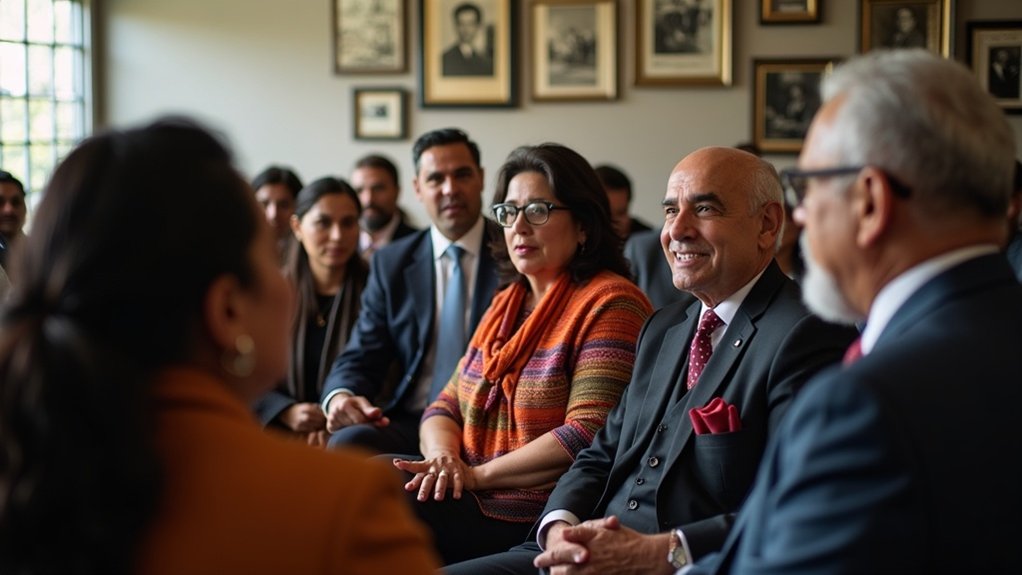
Sometimes a policy meeting feels like stepping into a cathedral where the stained glass is made of spreadsheets, and I carry my grandmother’s prayers folded into my pocket like bylaws. I read them silently while I negotiate thresholds—committees, classrooms, boardrooms—each door a test of lineage and precision. You and I know reform isn’t thunder; it’s a metronome of measurable change.
- Align budgets with equity metrics, then publish variance quarterly.
- Hardwire bilingual access into every service standard.
- Tie executive compensation to community impact KPIs.
- Replace legacy admissions with transparent, mission-linked criteria.
- Require supplier diversity with enforceable penalties.
I sign memos in ink and incense, remembering hands that picked fields before drafting statutes. Institutions learn, slowly, when we teach them to count what they once refused to see.
To protect our communities while we reform systems, we should standardize access to HPV vaccination and other age-based screenings, publish uptake rates by language preference, and fund outreach that closes preventive care gaps.
Storytelling as Strategy: Elevating Voices and Sustaining Legacy
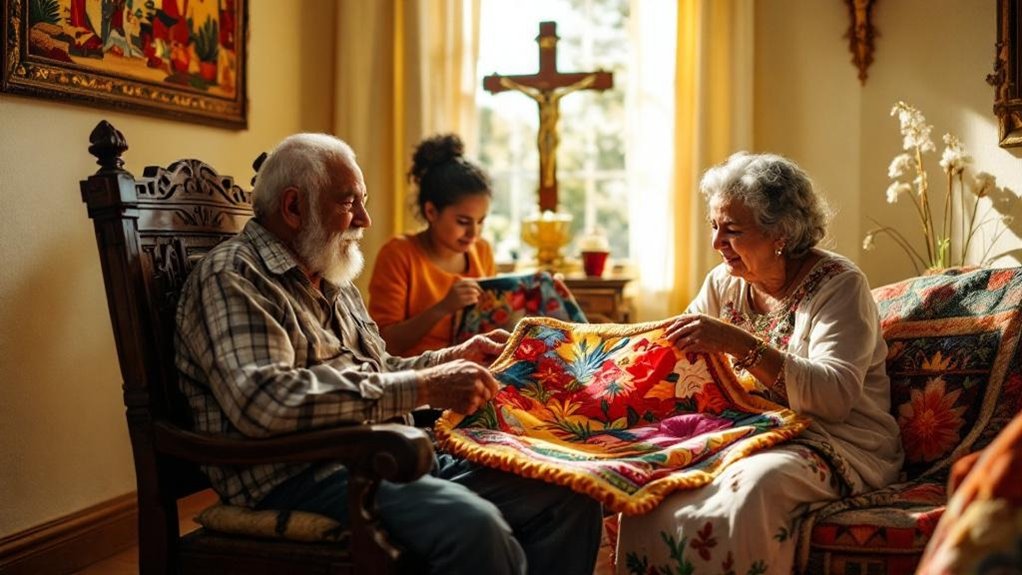
How else do we keep our elders from vanishing but by turning their breath into stories that walk beside us? I gather their syllables like seeds, and you, reader, plant them in tomorrow’s briefings, boardrooms, and barrios. Strategy lives here: we translate abuela’s midnight prayers into metrics; we braid testimony with data until decision-makers feel the pulse behind the numbers. I train my voice to carry names without trembling, then hand you the cadence. We map legacies like constellations—each star a policy win, each shadow a warning. I curate memory with rigorous citations and ritual: footnotes and altar candles, dashboards and décimas. When institutions forget, we rehearse. When rooms go cold, we warm them with precise narrative heat. That’s how we endure—me speaking, you advancing, ancestors leading. We measure what matters through mission metrics and unit economics, so our stories translate into accountable action that investors, partners, and communities can trust.
Frequently Asked Questions
How Can Emerging Leaders Find Mentors Outside Their Immediate Networks?
Seek mentors through purposeful outreach: curated communities, conferences, cold emails, and thoughtful reciprocity. I trace elders’ footsteps, naming my intent, offering value. I follow luminous breadcrumbs—public talks, publications, office hours—until thresholds open, and ancestral whispers confirm the right council.
What Funding Sources Support Grassroots Latino Leadership Programs?
Philanthropic foundations, community grants, corporate CSR, city and state allocations, donor-advised funds, crowdfunding, and federal programs like CNCS sustain grassroots Latino leadership. I tell you this as ancestors hum, guiding my hands toward mastery, impact, and accountable stewardship.
How Do Leaders Balance Activism With Personal Well-Being and Burnout?
I balance activism and well-being by honoring cycles: I rest as fiercely as I organize. I set boundaries, share burdens, ritualize grief, celebrate small victories, and listen to ancestors’ quiet counsel, letting their rivered memory cool my burning steps.
What Metrics Effectively Measure Representation Beyond Headcounts?
I measure representation through influence indices, promotion velocity, pay equity ratios, retention by identity, sponsorship density, decision-making share, narrative authority audits, and policy impact. Do you feel elders’ footsteps echo? I track belonging scores and grievance resolution speed, too.
How Can Non-Latino Allies Support Without Overshadowing Efforts?
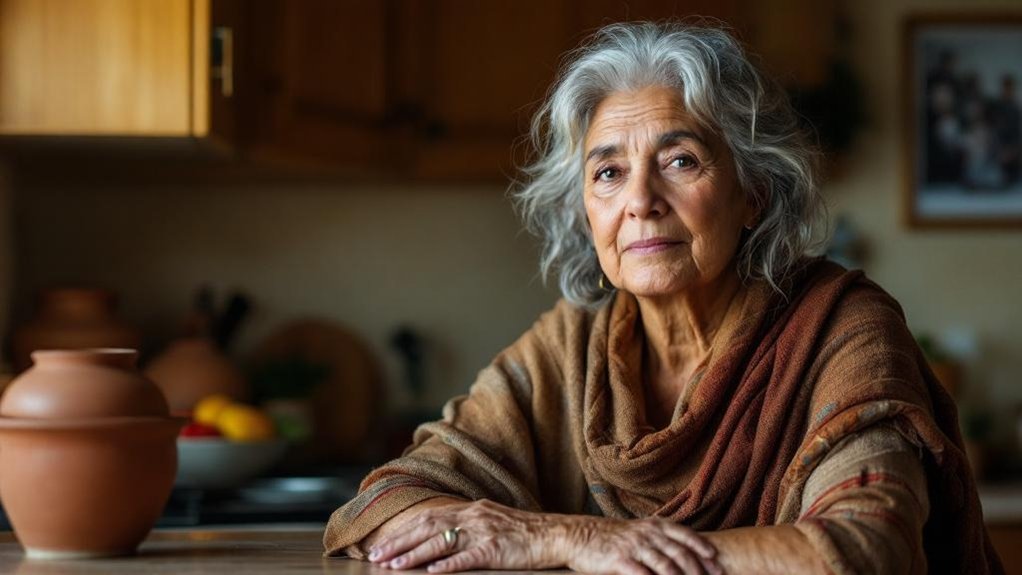
I listen, amplify, and follow community priorities. I fund, share power, and credit originators. I learn history, practice humility, measure impact, and step back. I mentor successors, steward resources, and guard space, like moonlight guiding elders’ footsteps without stealing dawn.
Read The Next Blog Post –
So I leave you here, where abuela’s whisper meets tomorrow’s ballot, where rosaries count steps toward city hall. I’ve learned to turn lullabies into budgets, border dust into blueprints, memory into measurable change. Will you walk with me? Our elders are maps and pulses; I read their lines, then write new streets. In this shared dawn, stories become bridges, bridges become coalitions, and coalitions—like constellations—guide us home while lighting the path for those not yet named.