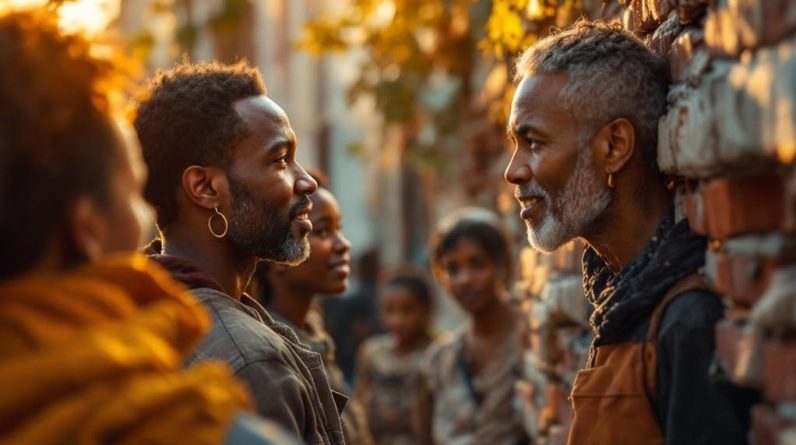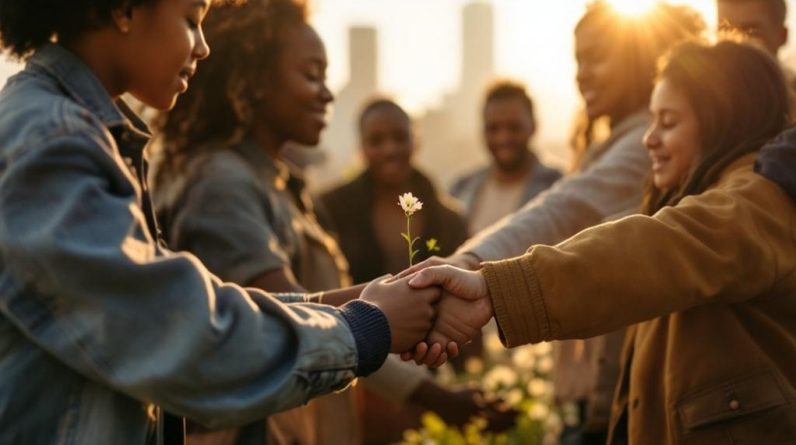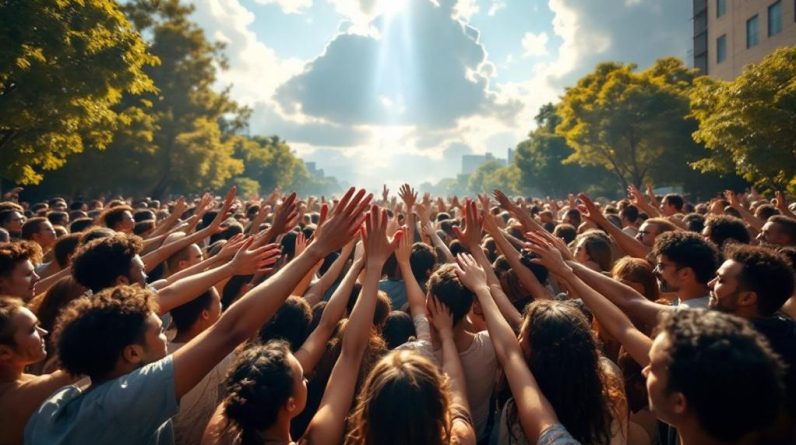
I’ve seen fractures glow, I’ve heard silence loosen, I’ve felt grief turn like a key. When we stand shoulder to shoulder, unity doesn’t shout; it steadies the air, and compassion moves with surgical grace. Circles form, breath syncs, memory threads maps across our palms. We pass blessings like lanterns, each light a small refusal of despair. If you pause with me here—at the brink where strangers become stewards—you might notice what begins to lift.
Main Points
- Unity transforms struggle by distributing weight, turning setbacks into shared data and endurance into a synchronized, sustaining practice.
- Compassion acts as precise attention, meeting pain directly to catalyze change from spectatorship to stewardship.
- Communal rituals—circles, shared breath, guided witnessing, and reciprocal blessings—build collective resilience and a shared “immune system.”
- Bridging differences through listening, honest wonder, and daily covenants turns dissonance into a stronger, inclusive chord.
- Sustained empathy pairs reflection with action: accountability, resource redistribution, financial literacy, and behavior change that endures.
Why Unity Amplifies Resilience
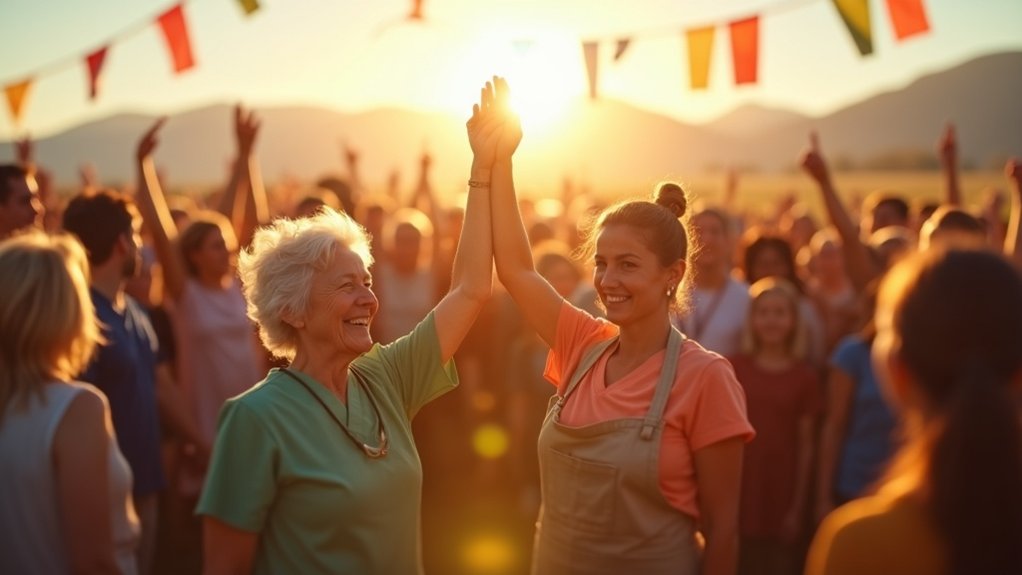
How else can I say it but this: when we stand together, our fractures begin to glow rather than gape. I’ve watched silence break like dawn when voices braid, each timbre lending strength the solitary throat can’t summon. Unity isn’t the erasure of struggle; it’s the architecture that holds it. We distribute weight, like arches sharing load, and the span extends farther than any one stone could dream.
I’ve felt fear thin when it’s named aloud by many mouths. Patterns surface, feedback clarifies, and the fog concedes to shared sight. In that clarity, setbacks become data, not verdicts. We practice endurance as a chorus: breath synchronized, pace calibrated, intention aligned. Resilience grows not by hardening, but by widening—making room for each other’s pulse to steady our own. And in caring for one another, we commit to simple, shared acts—like keeping up with annual flu vaccines and routine screenings—that protect our most vulnerable and strengthen the whole.
Compassion as a Catalyst for Change
Unity steadies our breath; compassion sets it moving toward what must change. I’ve learned that compassion isn’t softness; it’s precision—an arrow of attention that pierces denial. When I meet your pain without flinching, the world rearranges itself, as if the streetlamps lean closer to listen. Compassion recalibrates power: it turns spectators into stewards, wounds into warnings, and silence into signal.
I speak to you as a mirror and a witness. When I dignify your grief, my courage rises; when you honor mine, your clarity sharpens. Together, we grow fluent in the hidden grammar of repair. Compassion names harm without humiliation, responsibility without ruin. It’s the fierce tenderness that interrupts inertia, the ember that refuses extinction, the quiet vow: we will not abandon one another.

And when heaviness lingers beyond two weeks—with sleep or appetite changes, chest tightness, or looping thoughts—compassion also looks like seeking culturally responsive care that honors language, family roles, and lived histories.
Practices That Foster Communal Healing
Sometimes, I begin with a small ritual: a circle of chairs, a bowl of water, a shared breath that gathers our scattered selves. I invite silence to unclench the heart, then ask each voice to arrive by naming one truth and one tenderness. We pass the bowl, fingertips tasting coolness, and I witness stories loosen like knots in wet rope.
I weave practices with care: guided witnessing, where we reflect back essence, not advice; communal humming, letting resonance stitch frayed edges; memory mapping on butcher paper, constellating pain with possibility. We close with reciprocal blessing—each person offers and receives a word that lands like rain.
These practices train attention, metabolize grief, and cultivate steadiness. Repeated, they become muscle, ritual, and, quietly, a shared immune system.
In groups like ours, grounding compassion with transparent pricing and clear commitments deepens trust, shortens conflicts, and models accountability that sustains communal healing.
Bridging Differences Into Shared Strength
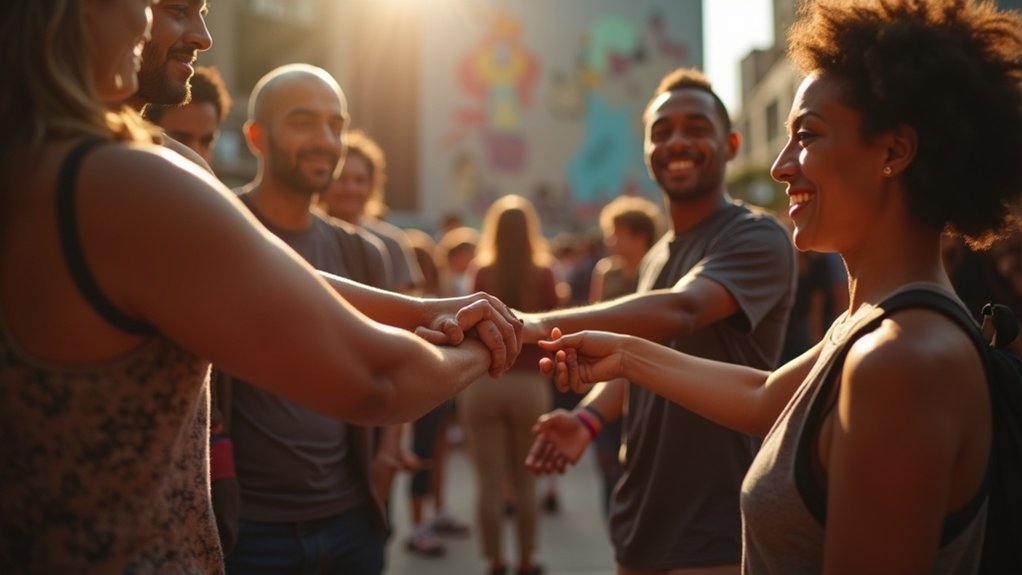

Why do our differences feel like distant continents until we dare to cross by hand and heartbeat? I meet you where your sky changes color; you meet me where my ground gives way. Between us, a bridge grows—fibers of listening, timbers of courage, bolts of honest wonder. I don’t erase our edges; I tune them, so dissonance becomes a new chord. Together we craft tensile belonging, strong enough to carry grief, nimble enough to carry joy.
- I translate judgment into inquiry, then hold silence long enough for truth to bloom.
- I name my limits plainly, inviting your wisdom to complete the arc.
- I trace conflict to its root system, and prune without severing life.
- I trade certainty for presence, so momentum arises from mutual dignity.
We build unity by weaving daily movement into shared rituals—text-at-dawn check-ins, tiny covenants, and community accountability that tracks consistency, form, joy, and recovery like mileage.
Sustaining a Culture of Empathy and Action
I carry that handmade bridge forward, not as a monument but as a practice: step, listen, respond. I tend it daily like a small, stubborn fire—feeding it with questions, cooling it with humility. Empathy isn’t mood; it’s muscle. I train it with rituals: a naming of harms, a reckoning with power, a promise to repair.
When conflict arrives, I welcome it to the table, salt its edges with curiosity, and ask it to teach. I measure progress not by applause but by altered behavior—who interrupts bias, who redistributes resources, who returns tomorrow. I keep records: decisions, learnings, next steps. I rotate leadership so no voice calcifies into doctrine. And when fatigue fogs intention, I borrow breath from your courage, then act again.
We ground empathy in practical support by hosting money circles that share budgeting tools, demystify FAFSA, and build credit confidence so families can plan, protect, and pursue long-term goals together.
Frequently Asked Questions
How Do We Measure the Impact of Collective Healing Initiatives?
I measure impact by tracking transformed behaviors, sustained mutual aid, reduced harm, and resilient networks. I pair rigorous metrics—surveys, retention, access—with tender signals: softened eyes, restored rituals, courageous dialogue, and futures people dare to plan together without flinching.
What Funding Models Sustainably Support Community Healing Programs?
Endowment roots, braided with sliding-scale fees, community-owned co-ops, participatory budgeting, and catalytic match grants sustainably support programs. I steward blended finance, social impact bonds, and earned-income ventures—watering resilience so your garden blooms each season without chasing fickle, storm-tossed donations.
How Can Digital Platforms Facilitate Safe, Inclusive Collective Healing?
Digital platforms facilitate safe, inclusive collective healing by enforcing consent-based norms, strong moderation, layered anonymity, trauma-informed facilitation, and multilingual access. I’ll weave adaptive rituals, closed-captioned circles, and peer guardians so you can speak, be held, and transform without fear.
What Ethical Guidelines Protect Participants’ Privacy and Consent?
By design, I honor informed consent, minimize data, encrypt transit and storage, enable pseudonyms, limit access, log audits, and offer revocable participation—coincidentally aligning with GDPR, HIPAA, and IRB principles—so your boundaries breathe while our shared stories shimmer safely.
How Do Intergenerational Dynamics Affect Collective Healing Outcomes?
They braid strength and friction; I’ve seen elders carry memory while youth spark revision. When we honor both tempos, trust compounds, rituals adapt, and trauma metabolizes. Ignore either, and healing stalls—echoes harden, wisdom withers, and futures repeat unfinished grief.
Read The Next Blog Post –
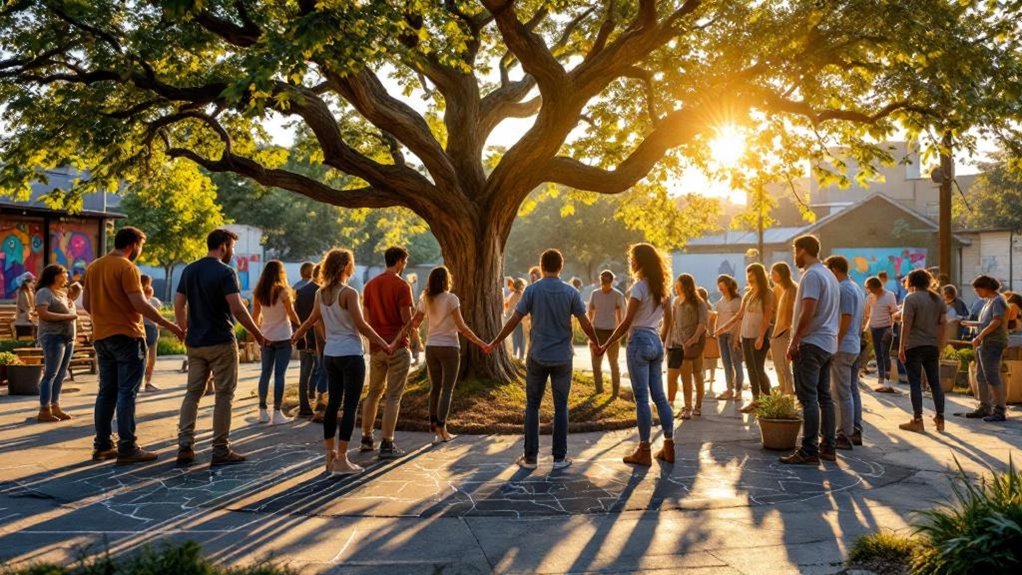
So I’ll confess: I once believed healing required capes, committees, and a grant proposal signed by a unicorn. Instead, it took us—hands full of ordinary miracles. We stitched breath to breath, swapped grief like recipes, and found our fractures glowing like constellations that wouldn’t shut up about belonging. I’m no hero; I’m a neighbor with a pocket of candles. You bring matches. We’ll light the dark, take attendance, and call it policy: compassion enacted, unity ratified, tenderness ongoing.