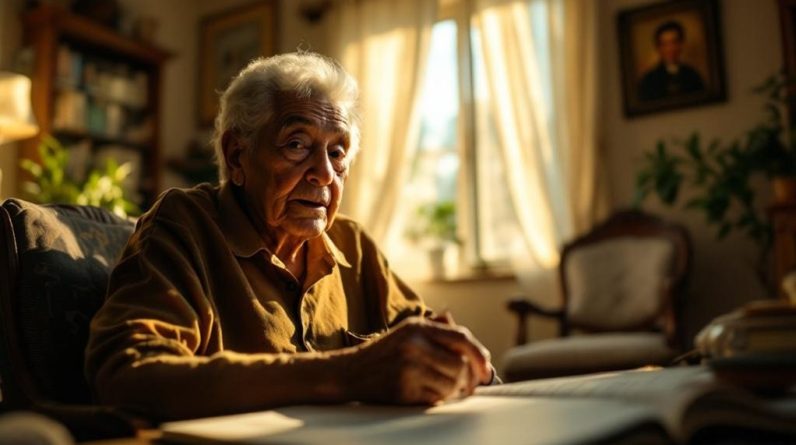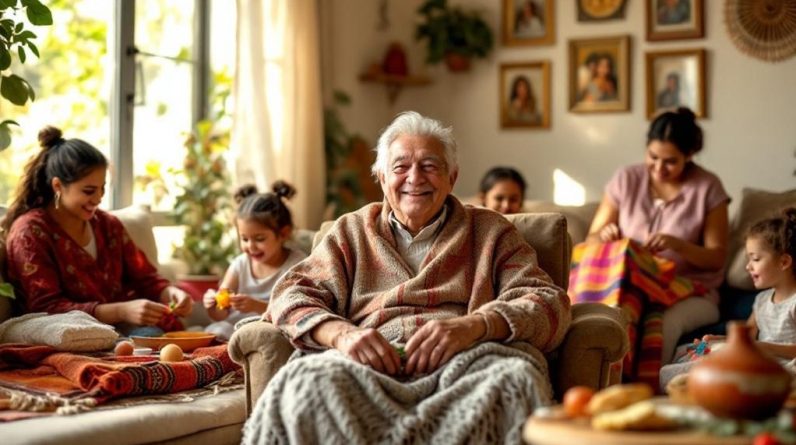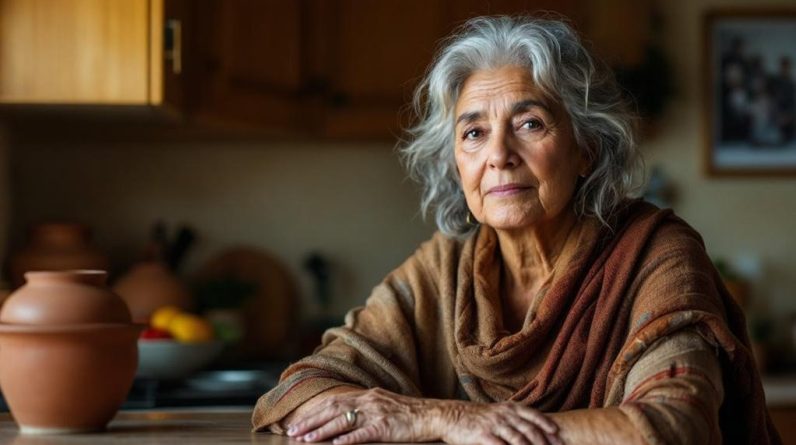
I carry two tongues like candles in a wind, each flame remembering a different doorway. In English, I’m brisk and useful; in Spanish, I’m a house with slow rooms and names that echo back. My accent shifts like weather, calling kin close or keeping strangers polite. Doctors’ terms tangle with my mother’s dichos, and I translate my own heart to be heard. Come sit beside me—there’s a story that only shows itself when we listen twice.
Main Points
- Many older Latino Americans code-switch daily, using English and Spanish to gauge trust, navigate spaces, and sustain relationships without performing their identities.
- Accents function as memory archives, carrying family history and geography; vowel and consonant choices shape belonging and social recognition.
- Within families, accents become heirlooms; translation conveys duties, tenderness, and identity across generations at the dinner table and beyond.
- In healthcare, interpreters and culturally responsive communication improve diagnosis, consent, and prevention, countering border-like clinic barriers and mispronounced names.
- Heritage is preserved through recipes, prayers, and bilingual practices while embracing change, balancing English’s future orientation with Spanish’s cultural anchoring.
Code-Switching as Daily Navigation
How else can I explain the way my tongue becomes a compass, swiveling between English and Spanish as the day unfolds like a map with hidden doors? I greet the cashier in crisp English, then bless my neighbor in Spanish that smells of cinnamon and rain. Each choice calibrates the room’s pressure: which word will unleash ease, which cadence will steady the floor?
I don’t translate; I pilot. Syntax is tide, idiom is wind, and my mouth trims its sails. In church, I kneel in Spanish; at the clinic, I advocate in English, exact as a scalpel. Between them, I braid meanings, splice currents, and chart a passage where nuance survives. Code-switching isn’t performance; it’s cartography—inked in breath, revised in motion, legible to those who listen. And in that daily piloting, I lean on multilingual advantage—segmenting conversations by language, honoring cultural cadence, and tracking what builds trust so meaning lands and relationships endure.
Accents, Memory, and the Weight of Belonging
When did my vowels start carrying suitcases packed with grandparents’ songs and border dust? Each syllable arrives customs-stamped, fragrant with anise and diesel. You hear my accent and think geography; I hear archive. Consonants click like rosary beads, and the air around us rearranges into plazas, bus stops, and a kitchen where the radio speaks both weather and longing.
Accent is memory’s architecture. I don’t wear it; it wears me—tailored by lullabies, pressed by departures. In English, my r sounds knuckle against doors; in Spanish, they gallop—small rebellions of tongue and time. Belonging weighs exactly as much as breath withheld. I inhale, then choose a vowel that unlocks the room. You nod, and the room nods back, recognizing our passports of sound.
And when the air feels heavy for weeks, I remember that seeking culturally responsive care—with bilingual providers who honor dichos, family roles, and colonial wound healing—is a disciplined courage that helps my voice feel at home again.
Family Dynamics Across Generations and Languages
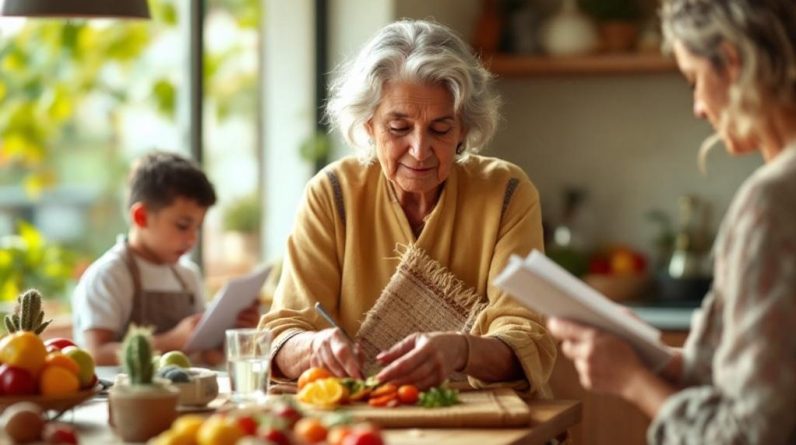
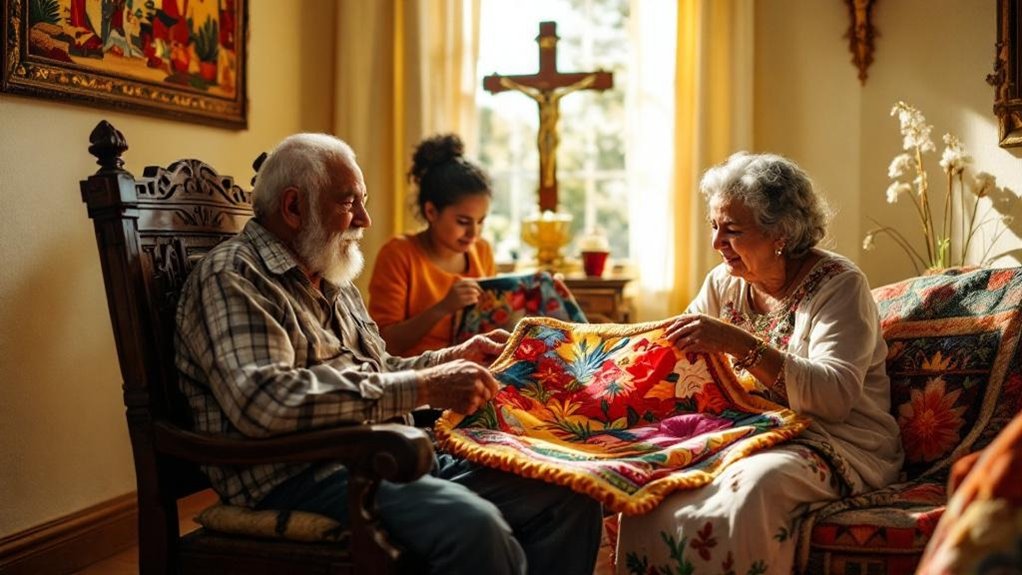
Accents become heirlooms at the table, and the table becomes a small country with shifting borders. I pass dishes like passports, watching syllables steam—abuela’s dichos rise, my children’s English cools them. You listen as I translate, not just words, but obligations: who we were, who we’re daring to be. In one breath, I bless; in the next, I bargain with silence.
I measure time by the language my daughter dreams in. She wakes speaking constellations I can almost name, and I feel both proud and exiled. My father hears her and nods, as if a future has remembered him. We negotiate tenderness in code-switches, each code a key, each switch a hinge. I keep the door oiled with stories so no voice rusts.
Between these breaths, we lace movement into memory—texting at dawn to honor consistency, form, joy, and turning chores into choreography so stories live in bodies as much as in words.
Institutions, Healthcare, and Linguistic Access
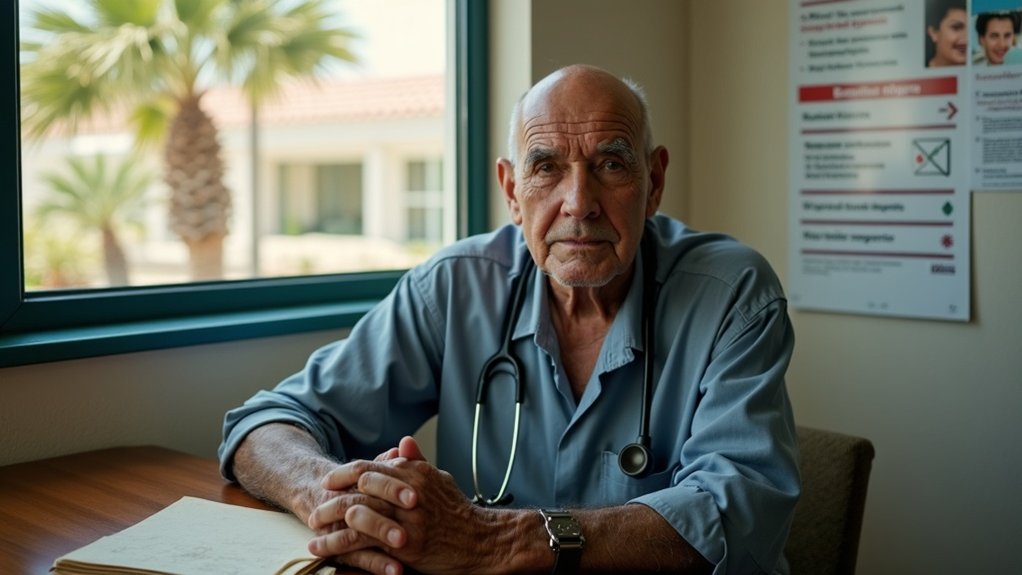
Why does the clinic’s hallway feel like a border crossing with fluorescent suns? I steady my breath, translate my pulse into both tongues, and watch forms sprout clauses like thorns. You know this terrain: windows that glare, clocks that chew minutes, names mispronounced until they limp. I carry my mother’s dichos in one pocket, insurance cards in the other, a passport of syllables.
When the nurse asks, I answer in English that tastes of metal, then recalibrate to Spanish, warmer, precise. An interpreter appears like a door I can finally open; the hinges sigh. Diagnosis is a riddle; I solve it by insisting on exact words, not shadows. I sign only what I understand. In that insistence, I protect the body, and the story it shelters. I ask for sliding-scale clinics and interpreters, schedule screenings like mammograms and colon checks, and keep vaccines current—flu each year, Tdap every decade, shingles after fifty—to make the system clearer and my path surer.
Preserving Heritage While Embracing Change
Paper gowns rustled behind me like dry leaves, but I step outside with the diagnosis tucked beside my abuela’s lullabies, both humming in my chest. I carry two tongues like twin candles—one steady, one flickering—lighting a corridor where memory negotiates with tomorrow. You know this corridor: the place where recipes become prescriptions, where prayers learn new syllables without losing their saints. I edit my life like a bilingual poem, pruning for breath, keeping the root. Change knocks; I open, but I don’t surrender the threshold. I let English index the future while Spanish anchors the tide. To protect our future while honoring the past, build a small emergency fund and practice smart budgeting so setbacks don’t derail long-term goals.
- Cook one ancestral dish weekly, naming each ingredient in both languages.
- Record elders’ stories, then translate, preserving cadence and metaphor.
- Practice code-switching intentionally during complex tasks.
Frequently Asked Questions
How Do Digital Tools Help Older Latinos Practice Bilingualism Daily?
They guide me daily—apps, voice notes, subtitles—so you and I rehearse switches like dance steps. I chant vocabulary, translate headlines, text grandchildren bilingually. Algorithms whisper corrections; calendars prompt practice. Each tap braids tongues, sharpening mastery while honoring inheritance.
What Role Do Community Radio and Podcasts Play in Language Retention?
They anchor retention by bathing me in living cadence; I shadow hosts, rehearse idioms, and harvest proverbs. You’ll hear lineage breathing between segments, practice alongside callers, and sculpt precision—daily rituals transmuting airwaves into memory, memory into disciplined, luminous speech.
How Does Bilingualism Affect Employment Opportunities in Later Life?
Bilingualism broadens late-life jobs; I’ve seen wages rise 5–20% for dual-language workers. I tell you: tongues twine like vines, opening client doors, caregiving roles, cross-border consulting. Keep sharpening both codes; employers prize bridge-builders who translate markets into meaning.
Are There Financial Costs Associated With Maintaining Heritage Language Classes?
Yes—tuition, materials, transportation, and time all accrue. I weigh opportunity costs, seek scholarships, negotiate sliding scales, form cooperatives, and leverage libraries. You’ll find investment blooms: fluency compounds social capital, career leverage, and ancestral continuity into enduring, measurable returns.
How Can Libraries Support Older Adults’ Bilingual Literacy Needs?
Like moonlight guiding tides, libraries can host bilingual book clubs, tech tutoring, conversation circles, curated collections, and intergenerational storytelling. I’d train staff, schedule accessible hours, provide large‑print resources, and partner with community educators to nurture confident, dignified bilingual mastery.
Read The Next Blog Post –
In the end, I carry two tongues like twin lanterns, lighting the path between memory and tomorrow. I switch registers as if opening a door for a guest, and stories step in, warm and fragrant. My accent holds the family album; my name is a small prayer. In clinics and kitchens, I translate for care, for kin, for dignity. The past isn’t past—it walks beside me, hand in hand, and I won’t let it slip through my fingers.