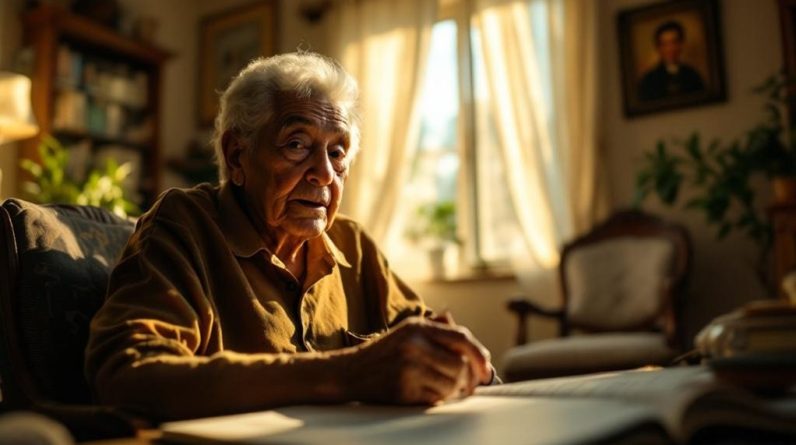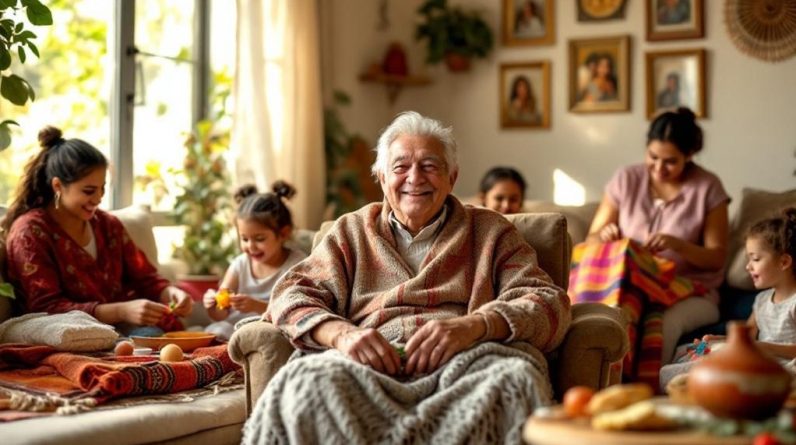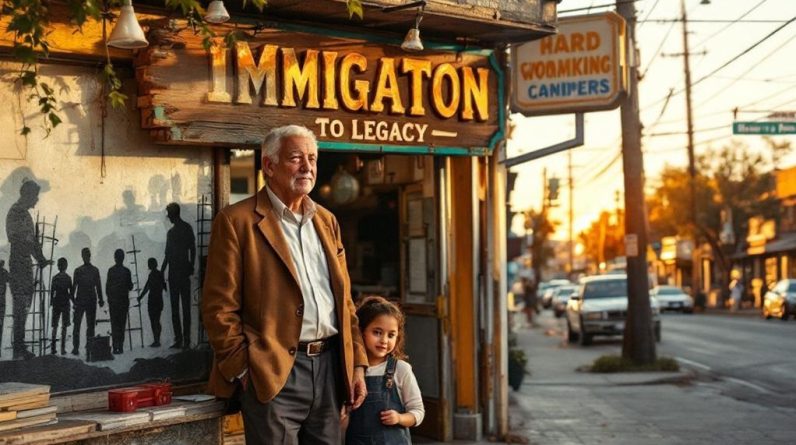
Like Odysseus with a lunch pail, I crossed streets that renamed my tongue on bus brakes and market chatter, and I’m writing to you because the echoes became blueprints. I bartered sweat for shelter, stitched prayers into paychecks, and taught doors to open for my children’s small hands. The recipes remembered our dead; the budgets guarded the living. Now, as keys pass palm to palm, something hums in the hinges—and it’s asking you a question.
Main Points
- Older Latino immigrants turned unpredictable labor into durable businesses and homes, training apprentices and expanding family stability through sweat, budgeting, and emergency funds.
- Community care bridged generations: doorways became safety nets, with shared proverbs, vaccines, and health routines protecting elders and children.
- English was learned in streets and markets while preserving Spanish at home, ensuring bilingual legacy and cultural continuity.
- Faith and foodways anchored identity; kitchens doubled as altars, where recipes, rituals, and stories taught resilience and belonging.
- Education became inheritance: math for markets, science in Spanish, and tools—literal and symbolic—passed on to guard stories and guide futures.
First Steps on New Streets: Finding Work, Language, and Community
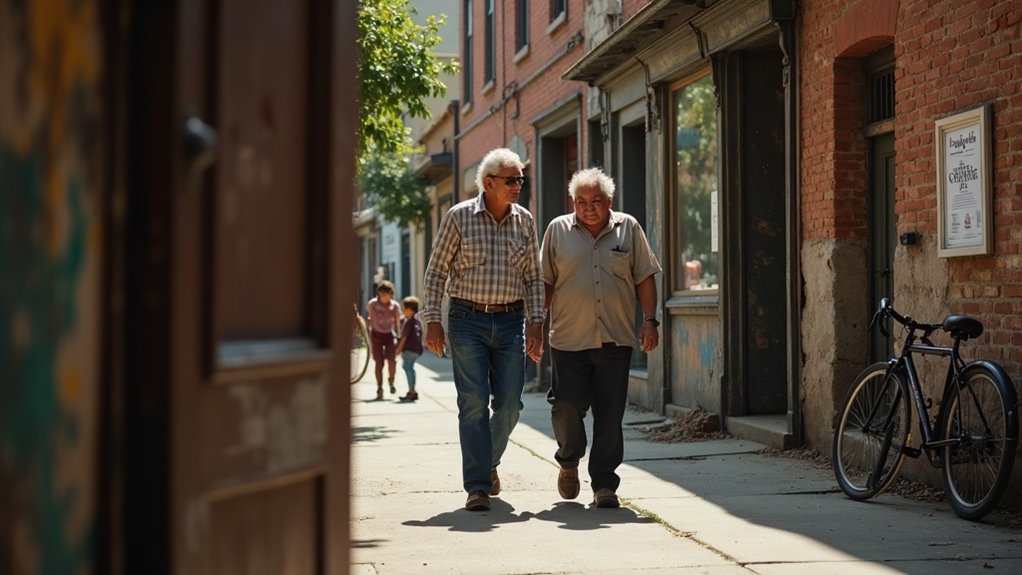
How did my feet learn the cadence of this new city, when the streets spoke in a tongue my mother once whispered only in lullabies? I walked anyway, pockets light, spine stubborn. Work found me like weather—unpredictable, brisk, instructive. I carried floors on my shoulders, vowels on my tongue, and the day’s heat in my palms.
I learned English by listening to bus brakes, market haggling, and the quicksilver jokes of teenagers. Words arrived like migrating birds, landing, taking off, returning in tighter formation. I kept the old language polished, a family heirloom I wore daily.
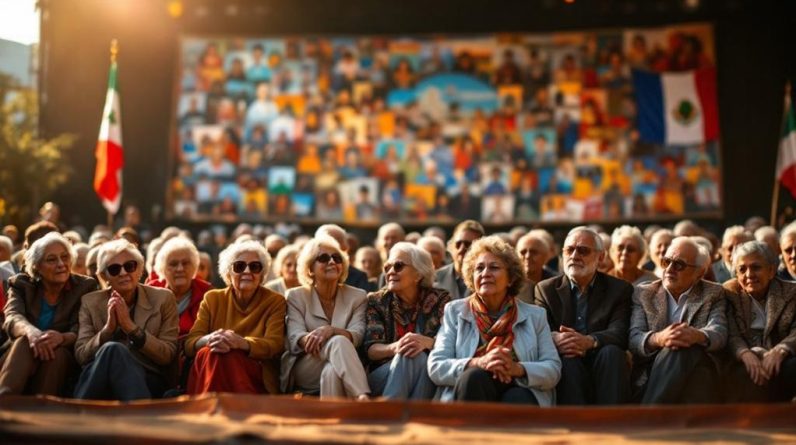
Community formed in doorways: a nod, a shared thermos, a hymn hummed low. Elders lent proverbs; children handed futures. Between them, I stitched a bridge and kept crossing.
Along the way, we kept our elders and little ones safe by staying current on childhood vaccines and annual flu shots, with Tdap every 10 years and shingles vaccines after 50, so our community’s bridge would hold.
Building Homes and Businesses Brick by Brick
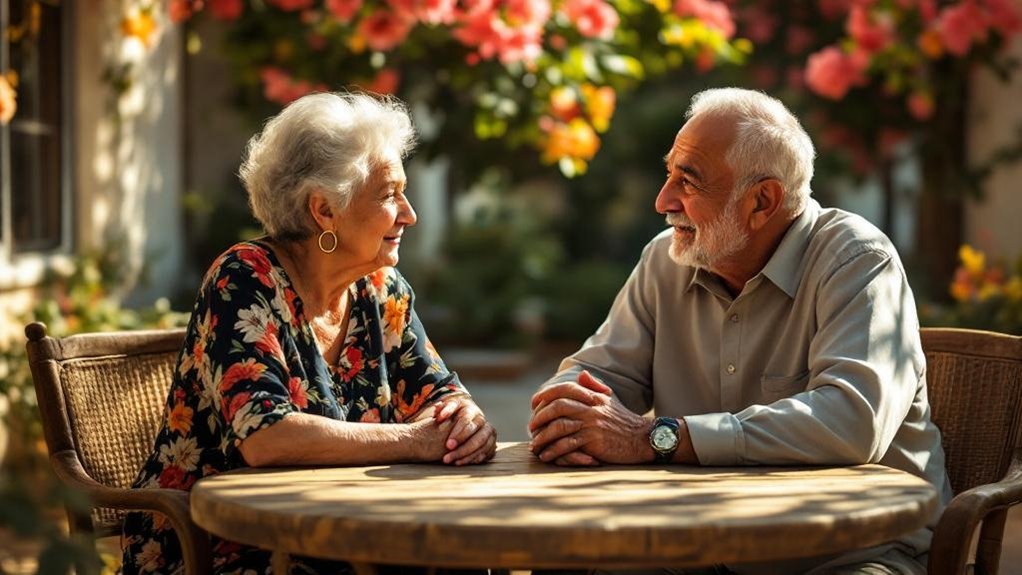
The city taught my feet to move; my hands wanted more. I learned mortar’s grammar, brick by brick, until walls answered back with echoing vowels. You, reader, know the cadence of risk—how a lease can feel like a thin bridge over fog. I laid studs like prayers to gravity, mapped plumbing like constellations, and listened for ancestors tapping levels with their rings. With each paycheck, I tracked cash flow and built an emergency fund, because smart budgeting turns sweat into strategy and setbacks into detours, not dead ends.
1) I negotiated blueprints with stubborn permits, translating dreams into load-bearing facts.
2) I opened a storefront, stocked with tools and trust, then trained apprentices who could outpace my shadow.
3) I bought a narrow house, widened it with sweat, and signed each joist with our surname.
Now the buildings breathe. Their windows memorize our children’s faces, and profit turns into permanence.
Faith, Festivals, and Foodways That Kept Cultures Alive
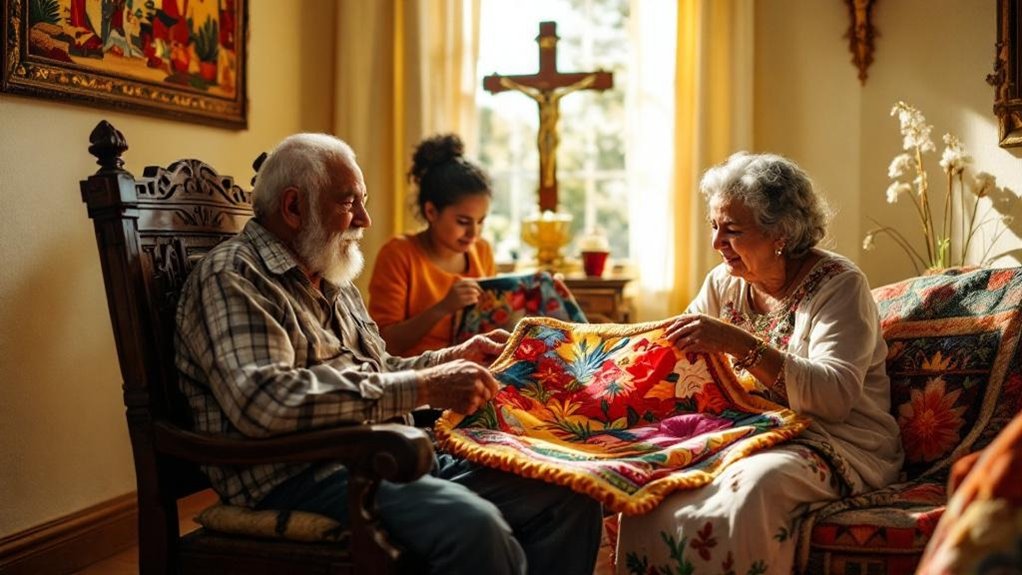
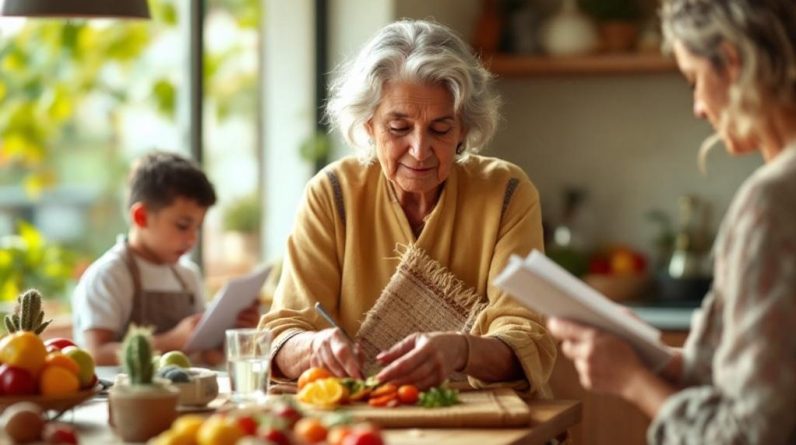
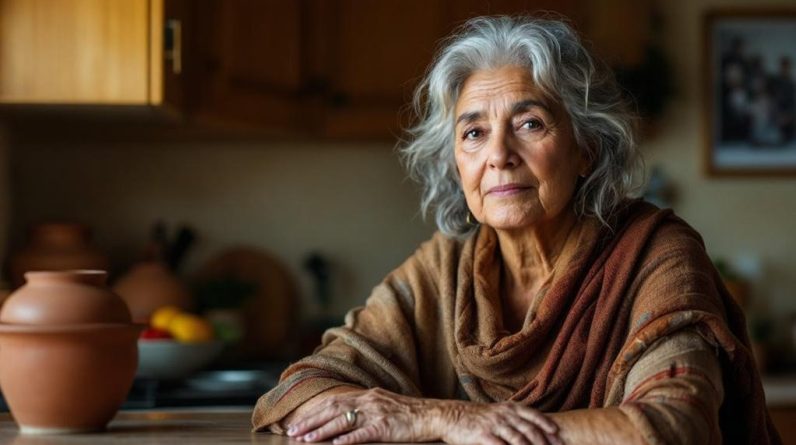
Some nights, incense braided with frying cumin lifts like a quiet spell, and I swear the saints nod from picture frames above the stove. I set water to boil, and the Virgen hums through steam; milagros wink like little suns on a chain. You’d hear the drum of a borrowed pot, the clatter of marigold bracelets, the hush before a candle catches.
I learned to fold masa by moon memory, to salt stories until they softened. Processions don’t end at the church door; they continue on the plate—pozole like red constellations, tamales wrapped as if safeguarding secrets. When I pass the bowl, I pass a calendar of survival. Taste is our catechism, rhythm our rosary. We keep time with cinnamon, forgiveness with anise, and belonging with heat.
In those same kitchens, we also learn to seek culturally responsive care, asking for bilingual providers who honor family roles, spirituality, and healing traditions so our minds are held with the same respect as our recipes.
Raising the Next Generation: Education, Sacrifice, and Pride
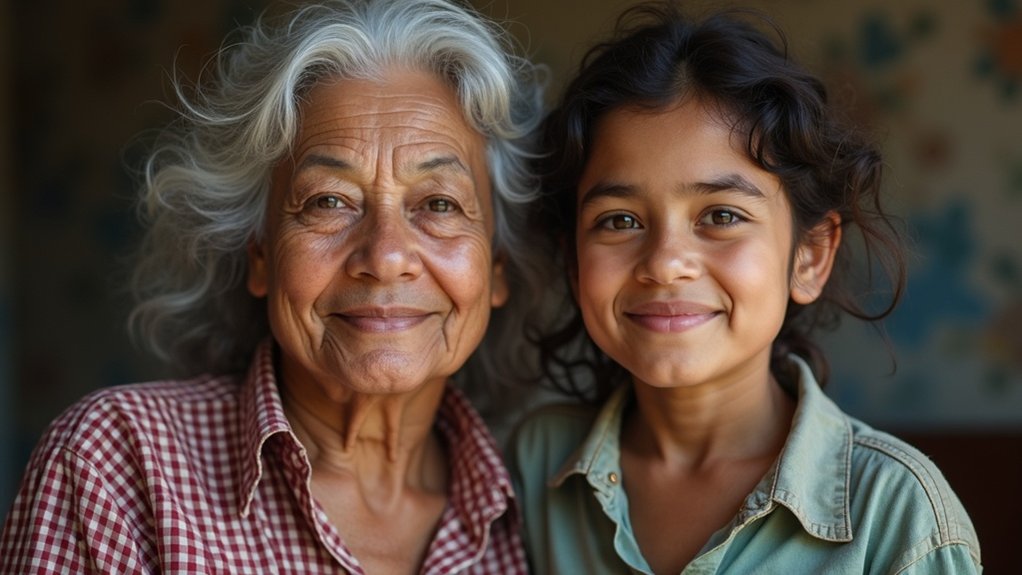
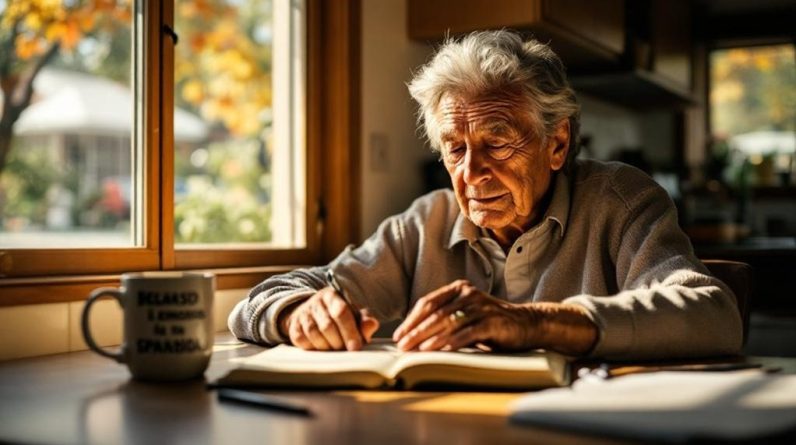
Incense cools, but the lessons keep burning; I carry the kitchen’s quiet saints into report cards and bus stops. I sharpened pencils like swords against silence, told you algebra could decode the price of bread, that verbs march like ancestors. I bartered sleep for tuition lines, folded overtime into uniforms, tucked hope inside your lunch.
You asked how pride tastes; I said like mango and metal—sweet on the tongue, heavy in the jaw. We rehearsed names the world mispronounced until they rang like bells. I learned to translate storms into calendars.
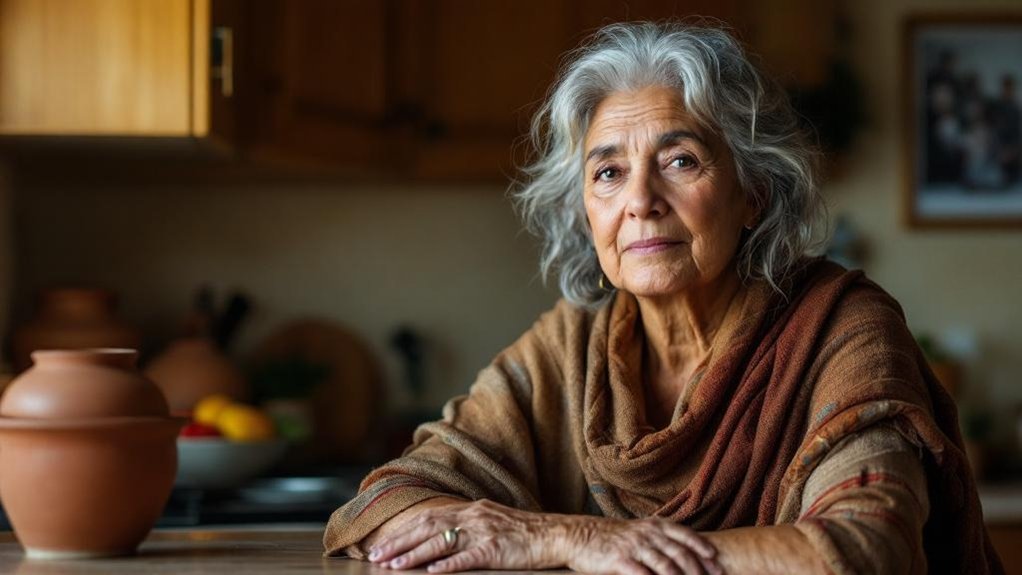
1) I traded nostalgia for notebooks—memory funding your mornings.
2) I braided Spanish into science—syntax guiding hypothesis.
3) I taught you to bow to effort—humility opening difficult doors.
Walk, mi’jo; the floor remembers our footsteps.
I kept receipts and promises, knowing that transparent pricing and generous guarantees teach you how trust becomes currency in a new country.
Passing the Torch: Inheritance, Memory, and Lasting Impact
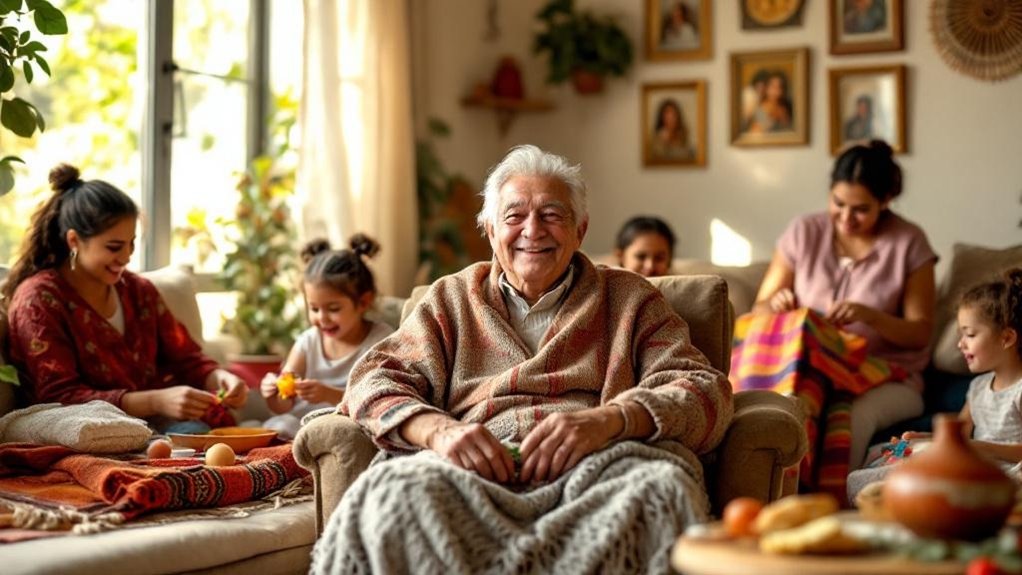
How do I hand you a house made of stories without dropping the moon stitched into its rafters? I steady the beams with names, dates, and the spice of old laughter. Keys don’t fit memory, so I open the door with breath: mira, listen to the hinges sing.
I pass you the map folded in my palm—creases are rivers we crossed. Take the garden, too; the mint remembers my mother’s wrists. In the attic, let the photographs teach you posture, the stubborn lift of the chin.
Inheritance isn’t weight; it’s trajectory. I give you tools that learned my hands: a broom that organizes chaos, a pot that turns scarcity generous. Guard the stories, but make them walk. When you light your own lamp, mine brightens, unextinguished, inside your flame.
Frequently Asked Questions
How Did Immigration Policies Specifically Shape Their Life Choices and Timing?
Policies braided my choices and timing: amnesties opened doors, quotas delayed vows, enforcement hurried departures, visas staggered births. I moved when laws murmured yes, paused when they hissed no—teaching you to read statutes like constellations guiding migrations across generations.
What Mental Health Challenges Did Elders Face During Acculturation?
They battled loneliness, grief, and linguistic fatigue, while pride masked anxiety and survivor’s guilt. I felt their insomnia, somatic storms, and cultural dissonance—yet they taught me alchemy: braid memory with ritual, breathe through thresholds, and apprentice the heart’s migrations.
How Did Gender Roles Within Families Evolve Across Generations?
They softened and reshaped: abuelas’ iron duties became shared compasses, sons cooked, daughters negotiated wealth. I watched patriarchy loosen like braids at dusk, each strand rethreaded—ritual, consent, ambition—so you and I inherit roles as chosen constellations, not cages.
What Financial Tools or Remittances Supported Relatives in Countries of Origin?
I sent remittances through money orders, later wire transfers, then mobile wallets; I also financed savings circles, prepaid tuition, and microloans. You’ll see how compound interest, trusted intermediaries, and meticulous records turned distant kinship into enduring, sovereign capital.
How Did Climate or Environmental Changes Affect Their Work and Neighborhoods?
Heat warped our shifts and floods redrew our blocks; I learned to read cracked sidewalks like augury. You inherit my maps: shade routes, storm rites, neighbor compacts—tech-savvy, ancestor-guided—so work endures as seasons argue and the earth remembers.
Read The Next Blog Post –
I set the last brick of this story like a candle on a windowsill, and the house hums our names. I taste bus-brake vowels, market-salt chatter, and abuela’s cumin drifting through the vents of time. My palms remember ladders, ledgers, and lullabies. I whisper gracias to the saints in the drywall, to recipes tucked in rent receipts. When I turn the doorknob, it blooms into a key for you; the hinges sigh, and the future walks in carrying our surname.