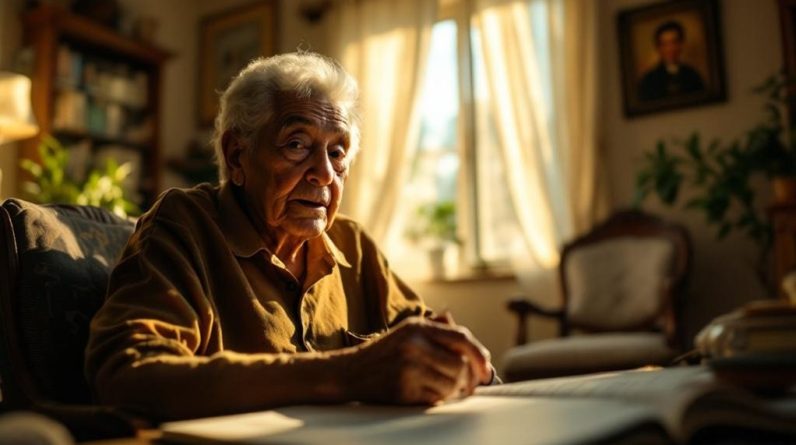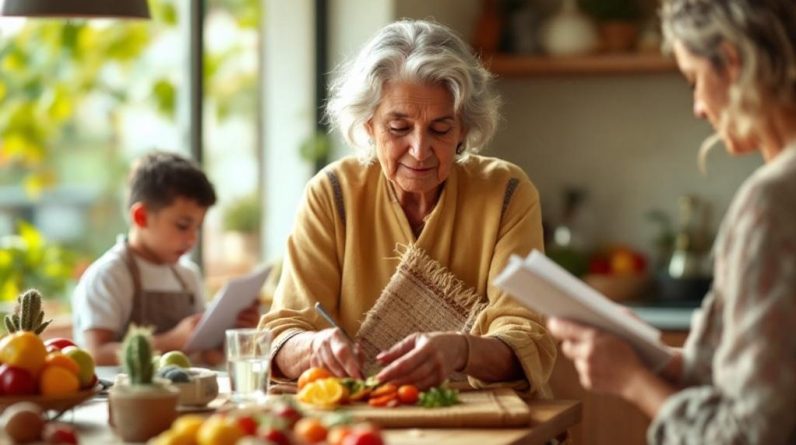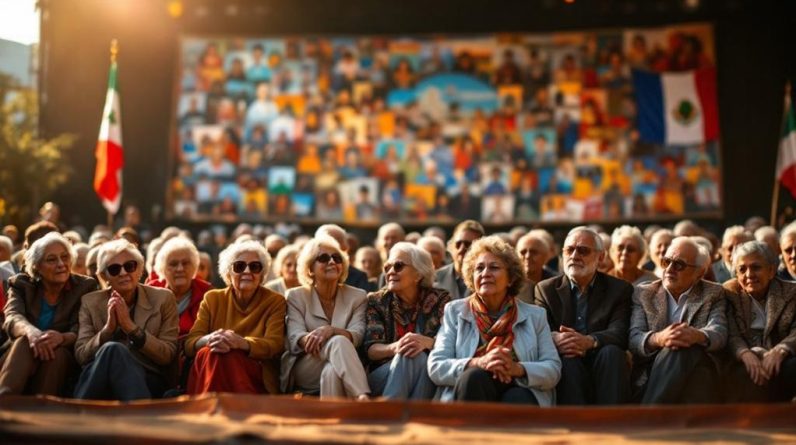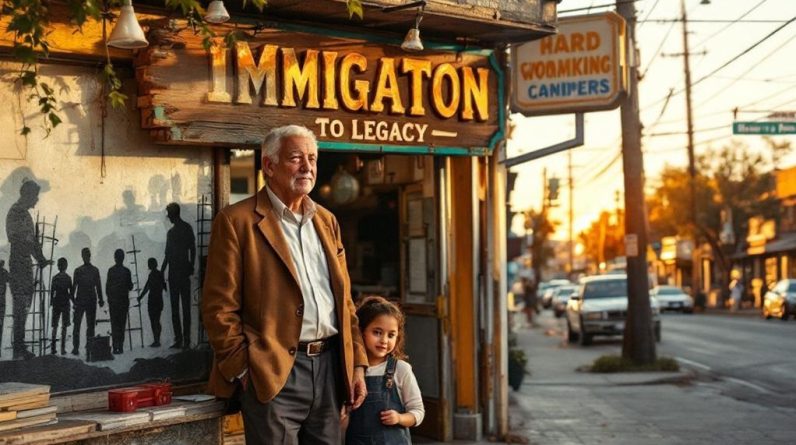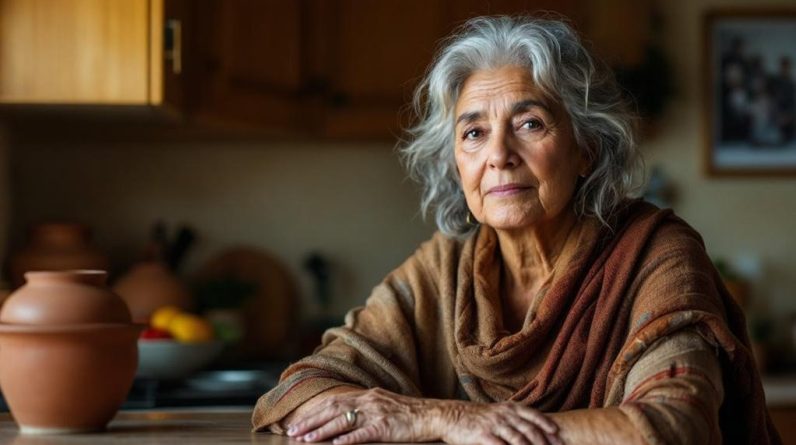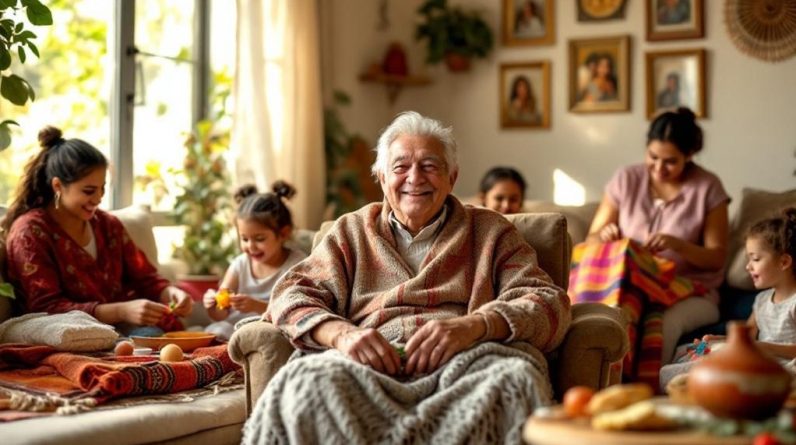
We live where the walls have ears that kindly forget, and the pots remember everything. I’m writing to you from a kitchen that’s also a chapel, a classroom, and a time machine. Abuela measures salt like blessings while the phone buzzes with tomorrow’s bills. The kids trade memes for dichos, prayers for passwords. Shifts start, stories end, and the rice keeps simmering. If you lean in, you’ll hear how we make room—for what arrives, and what refuses to leave.
Main Points
- Multigenerational Latino homes braid tradition and tech: lullabies, prayers, and dichos coexist with smartphones, video calls, and shared playlists.
- Seniors anchor cultural continuity, teaching cooking, faith rituals, language, and family history that grandchildren practice and remix.
- Shared caregiving and pooled income sustain households; duties rotate—meds, tutoring, repairs, meals—treating care as infrastructure.
- Home design and routines support all ages: accessible layouts, choreographed schedules, and shared spaces for multiple tempos.
- Community and policy matter: ADUs, flexible occupancy, caregiver stipends, and language-justice services strengthen intergenerational living.
The Everyday Exchange of Tradition and Technology
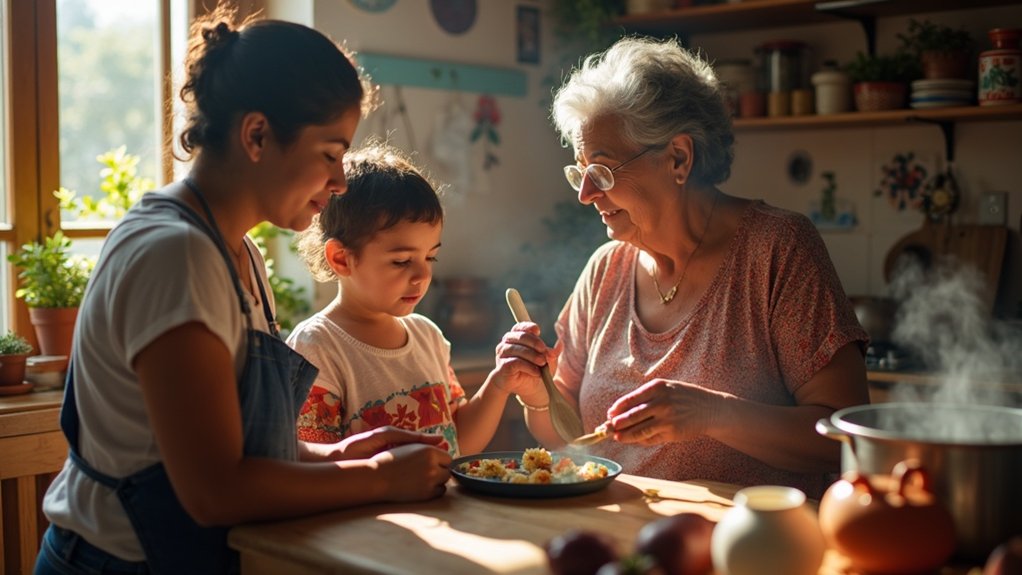
How do stories learn to hum inside a phone screen? I watch abuela’s lullabies drift into my notifications, syllables like birds landing on glass. She teaches me to stir beans until they listen, to bless thresholds with salt and breath. I teach her to swipe, to press the little camera that gathers cousins across coasts like marigolds in a bowl. Our kitchen becomes a portal: steam rises, and the Wi‑Fi flickers like a saint’s candle. I translate app icons into proverbs; she translates silence into ritual. When I record her wrist’s circle, the video remembers what my mind forgets. You hear it too—the metronome of chopping, the soft click of send. Tradition doesn’t resist the touchscreen; it inhabits it, pulse meeting pixel, memory becoming method. And when the house feels heavy for two weeks or more, we practice culturally responsive care by naming chest tightness and looping thoughts, seeking bilingual support that honors dichos, family roles, and spiritual practices.
Economic Realities and Shared Caregiving
The same hands that bless screens also count bills on the table, tortillas warming like small suns beside the ledger. I watch numbers behave like skittish birds; they land only when we share the crumbs. Rent becomes lighter when abuela’s pension meets my paycheck, when a cousin swaps night shifts so I can sleep before dawn duty. We trade hours like heirlooms: I handle medications; tío handles repairs; the teens tutor and stir pots between algebra problems.
You know this calculus: caregiving isn’t charity, it’s infrastructure. We budget breath and time, converting overtime into braces, pharmacy co-pays into soup. In our house, scarcity doesn’t silence us; it choreographs us. We practice resilience as a cooperative art, where tenderness is currency and accountability, profit. We also keep each other moving by turning family time into dance—ten songs, two water breaks, one shared heartbeat—so even our caregiving becomes quick workouts folded into joy.
Language, Faith, and Rituals Across Generations
Sometimes at dusk, I taste two tongues in one breath, and each syllable lights a votive in my chest. You’ve felt it too—the hinge where English clicks and Spanish sings, where meaning doubles like light on water. I honor elders by pronouncing their saints and saying their dichos clean, not as museum pieces but living tools. Prayer braids with lullabies; rosaries count both debts and mercies. I teach children to bless thresholds, to name ancestors before Wi‑Fi connects, to listen when pots speak in steam.
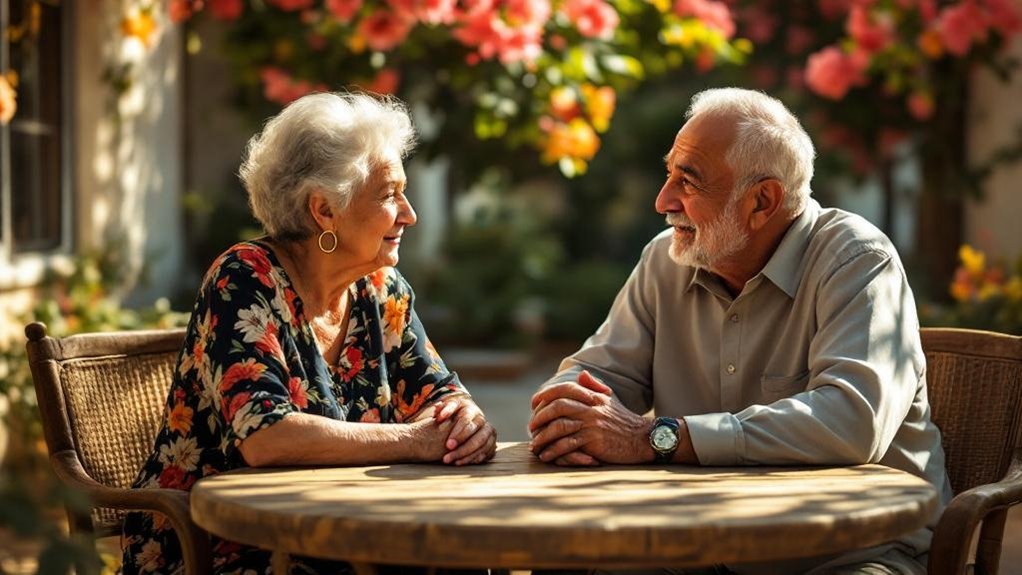
Faith here isn’t static; it migrates like swallows, returning with new feathers yet the same flight path. Rituals adapt: quince hymns meet playlists, tamales meet calendars, but reverence stays. Language keeps covenant; ritual seals it. We inherit breath, then shape it.
And in our homes, we also pass down care: keeping vaccination records up to date, planning flu shots each season, and reminding abuelos and teens alike about screenings that protect the whole family.
Designing Homes and Routines for Many Ages
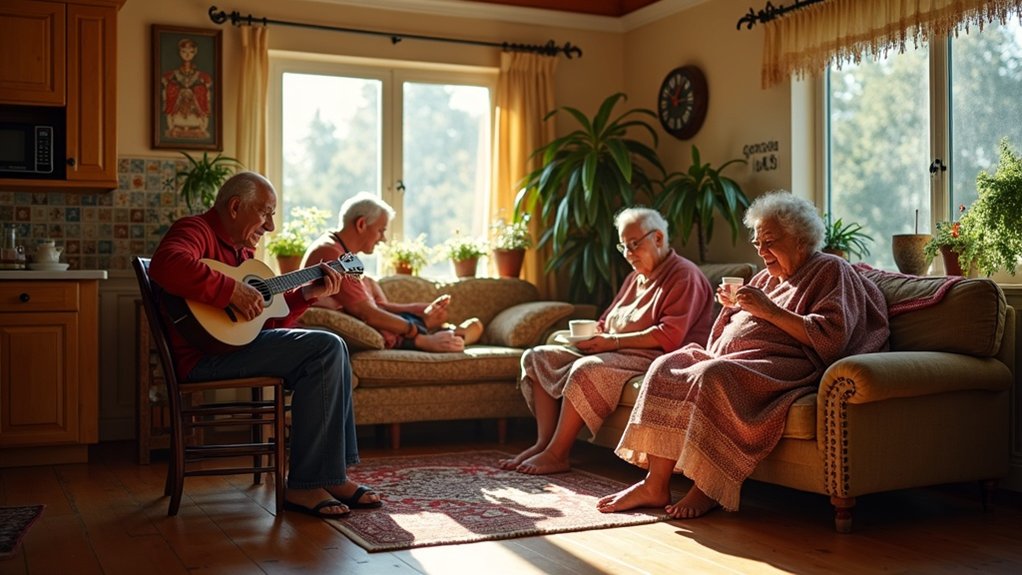
Even before blueprints, I listen to the house ask who’s coming to dinner, then I set the table in its bones. I draft thresholds like open arms, widen corridors for abuelos’ steady pace, and tuck benches where toddlers land like migrating birds. Light becomes a timetable; dawn pours into the kitchen so café and oatmeal synchronize.
I choreograph routines as if they’re dances. A low drawer holds crayons and pillboxes—different tempos, shared reach. The courtyard is a lung; it inhales laughter, exhales calm after homework storms. Sinks face conversation, not walls; stairs confess with soft treads. I seed niches for prayer, chess, and cooling pots. Storage floats at eye level, caregiving within fingertips. Every room repeats one vow: accommodate change without surrendering memory.
Lessons for Policy, Community, and Belonging
Because blueprints ripple into bylaws, I carry the house’s heartbeat to city halls and church basements, asking policies to bend like willow and still root like mesquite. I tell them our abuelas keep time like metronomes of memory, and our children translate futures. You, reader, know the ledger follows the lullaby; budgets should honor both.
- Legalize accessory dwellings and flexible occupancy, so kin can cluster without fear.
- Fund intergenerational care hubs: kitchens, clinics, and courtyards braided together.
- Pay caregivers—grandmothers, tias—with dignified stipends and portable benefits.
- Require participatory design in planning, with language justice and child-friendly hours.
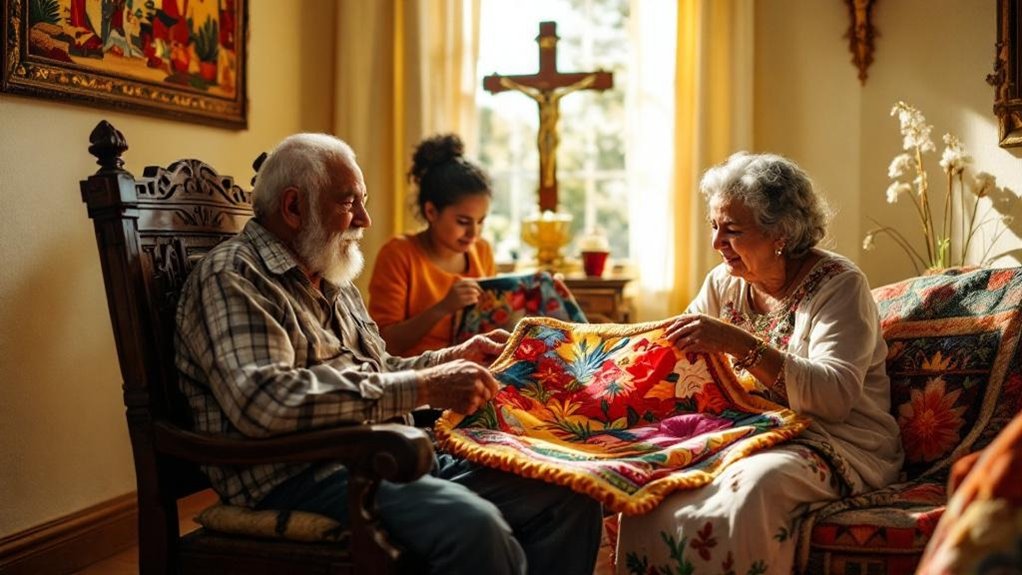
Belonging isn’t charity; it’s infrastructure. When ordinances hum with household cadence, neighbors blossom into compadres, and streets remember our names. I vote, testify, and welcome you to do the same.
Frequently Asked Questions
How Do Multigenerational Households Navigate Dating and Privacy for Teens?
We negotiate boundaries through clear rituals: doors knocked, curfews honored, shared spaces sacred, whispers allowed. I mentor you to name needs, document agreements, practice discretion, and debrief. Elders bless frameworks; you steward your privacy like a lantern—bright, accountable.
What Strategies Help Resolve Intergenerational Political Disagreements at Home?
Start with shared facts, set listening rounds, and agree on boundaries; I use family stories, timed pauses, and rotating “devil’s advocate.” Coincidentally, tonight’s wind echoed our debates—so I brewed tea, named values, and mapped actionable compromises.
How Are Caregiving Roles Affected by Immigration Status or Mixed-Status Families?
Caregiving shifts with status: undocumented kin shoulder quiet labor, citizens navigate systems. I see you balancing fear, paperwork, and love; I map contingencies, formalize proxies, diversify income streams, and rehearse emergencies—so no border, policy, or dawn knock unthreads your hearth.
What Approaches Address Mental Health Stigma Across Generations?
I blend intergenerational dialogues, culturally attuned psychoeducation, storytelling circles, faith-partnered workshops, and youth-led campaigns. I normalize help-seeking, name feelings in two languages, honor ancestors, and model therapy. You’ll see stigma loosen, like incense lifting, revealing shared courage.
How Do Families Manage Digital Footprints and Online Safety for Elders and Kids?
I guard doorways and teach mapmaking: I set shared rules, enable privacy settings, use password managers, schedule audits, model skepticism, practice consent, and rehearse phishing drills. Together, we chart footprints deliberately, erase shadows, and keep elders and kids luminous.
Read The Next Blog Post –
I set the table like a small Macondo, where abuela’s steam meets my scrolling screen, and both whisper home. We pass stories like warm tortillas, fold bills and blessings into the same napkin, and count the day by bells, shifts, and laughter. In these rooms, saints glow beside chargers; prayers and passwords keep us. I see how our house holds time the way a palm holds a rosary—bead by bead, breath by breath—future threaded through our past.