
When I talk with Latino teens, immigration stress shows up in daily choices—rides they avoid, calls they fear, news they won’t watch. Mixed-status families, language brokering, and tight budgets pile on, while school bias and neighborhood scrutiny teach them to mask worry. Sleep slips, appetite shifts, and energy drops long before anyone notices. I want to unpack how these pressures shape risk, identity, and mood—and what trusted, bilingual care can change next.
Main Points
- Daily fears about raids, travel, and paperwork create chronic uncertainty that heightens anxiety and depressive symptoms.
- Mixed-status households and potential family separation drive hypervigilance, sleep problems, and persistent worry.
- Language brokering for parents, especially with legal or medical issues, adds emotional burden and guilt, fueling anxiety.
- School bias, bullying tied to immigration status, and punitive discipline increase shame, isolation, and depressive risk.
- Economic pressures and caregiving roles reduce leisure and peer time, lowering protective buffers against anxiety and depression.
Unique Immigration Stressors Impacting Latino Adolescents
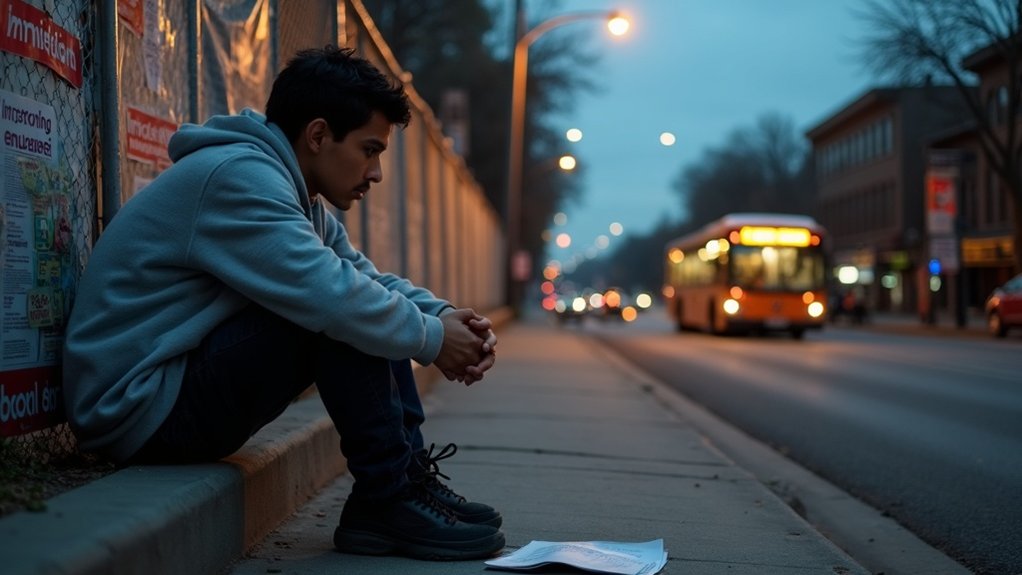
How do daily uncertainties shape a teen’s mind? When I listen to Latino adolescents, I hear how immigration shapes every corner of life. Papers, status, and policies aren’t abstract; they’re daily calculations—Can I go on this trip? Will my family be safe if there’s a raid? I feel the weight they carry translating for parents, handling forms, and guarding family stories.
You might notice how mixed-status homes create constant vigilance. I see kids plan futures while fearing sudden separations. School brings another layer—stereotypes, language barriers, and questions about belonging. Economic pressures push teens to work, send money, or skip activities. Even joyful milestones feel fragile when mobility is restricted. These stressors stack up, demanding resilience while quietly draining energy needed for learning, friendships, and growth.
Early Warning Signs of Anxiety and Depression to Watch For
What tips me off first are the small shifts that don’t fade. I notice sleep changing—trouble falling asleep, restless nights, or sleeping way more than usual. Appetite drops or spikes. Energy feels drained, even after rest. Grades slip, focus scatters, and once-loved activities lose their spark.
I watch for irritability that flares quickly, or a quiet that seems heavier than shyness. Worries repeat, looping about safety, belonging, or “what ifs.” I hear harsh self-talk—“I’m a burden,” “I’ll mess up”—and see withdrawal from friends. Headaches, stomachaches, or chest tightness show up without a clear cause.

When these signs persist for weeks, I take them seriously. I ask gentle, direct questions, track patterns, and encourage small routines that restore sleep, movement, connection, and hope.
The Role of Family Dynamics, Acculturation, and Language Brokering
Sometimes the pressure at home feels like another migration to navigate—family roles shift, parents carry fear, and I watch teens carry it too. Acculturation moves at different speeds: youth learn norms quickly while parents hold tradition, and that gap can spark arguments or silence. I hear teens say, “I’m the bridge,” especially when language brokering turns into translating bills, medical visits, and legal worries.
When a child shields parents from bad news, anxiety grows. When a parent doubts a child’s “American” choices, shame grows. Both are trying to protect the family. I encourage naming the load: Which tasks feel too heavy? Which values feel nonnegotiable? Shared agreements—about chores, privacy, cultural rituals, and translation limits—restore balance, reduce guilt, and let care move in both directions.
School and Community Factors That Intensify or Buffer Stress

In classrooms and neighborhoods, stress can multiply or ease depending on what young people encounter each day. I’ve seen how school climates shape daily mental load. When teachers dismiss accents or mispronounce names, students internalize shame. Bullying tied to immigration status, racial slurs, or “go back” comments fuels hypervigilance. Punitive discipline for minor missteps adds fear, especially when parents worry about visibility. Unstable housing, long commutes, and food insecurity drain energy before the first bell.
Supportive factors matter just as much. Welcoming hallways, clear anti-bias policies, and consistent adult allies reduce isolation. Bilingual signage and interpretation signal belonging. After-school spaces, mentorship, and clubs provide safety and purpose. Community centers, libraries, and faith groups offer continuity when life feels uncertain, anchoring youth in dignity and hope.
Culturally Responsive Strategies for Prevention and Support
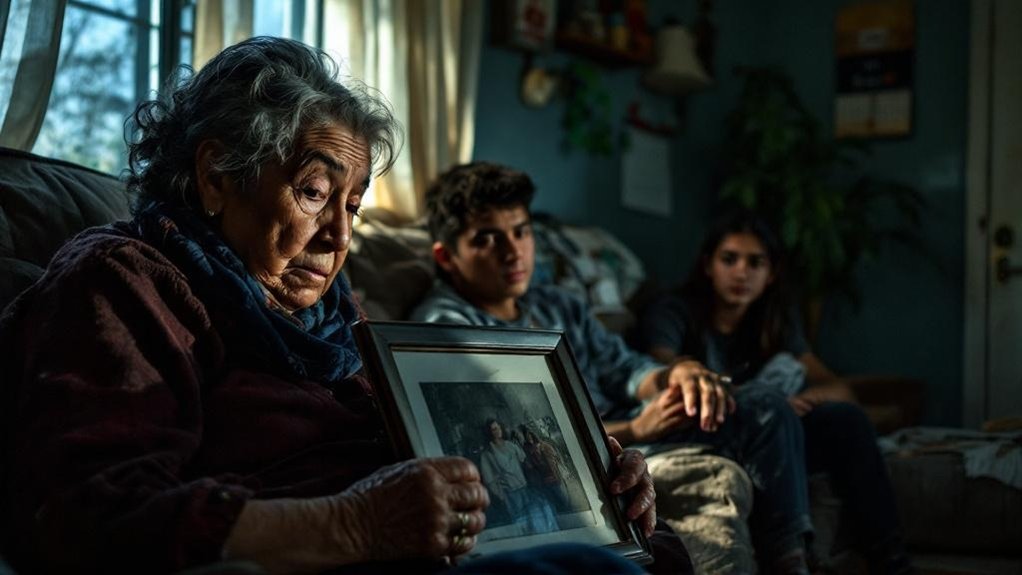
Those daily experiences at school and in the neighborhood point us toward solutions that honor culture, language, and family strengths. I start by listening—really listening—to youths’ stories in their preferred language and inviting family perspectives. I use bilingual materials, clear consent processes, and interpreters trained in mental health terms.
I normalize stress responses, teach coping skills with culturally meaningful examples, and build peer circles where students share strategies. I partner with promotoras, faith leaders, and cultural arts programs to make support feel familiar. At school, I push for ethnic studies, restorative practices, and trauma‑informed routines that reduce surveillance and bias.
I screen for anxiety and depression with validated bilingual tools, ensure warm handoffs to affordable care, and follow up. Consistent, culturally grounded relationships sustain healing.
Frequently Asked Questions
How Can Youth Safely Seek Help Without Jeopardizing Family Immigration Status?
You can seek help confidentially. I’d call hotlines, school counselors, or clinics with privacy policies, ask about “sensitive locations,” avoid sharing status, and use aliases if allowed. I’ll remind you: attorneys and many therapists protect client information.
What Legal Rights Do Undocumented Students Have to School-Based Mental Health Services?
You have a right to school-based mental health services regardless of immigration status. I remind you: public schools must provide equal access, protect your privacy under FERPA, avoid inquiring about status, and offer interpreters. Ask counselors confidentially.
How Do Immigration Policies During Elections Affect Latino Youths’ Mental Health?
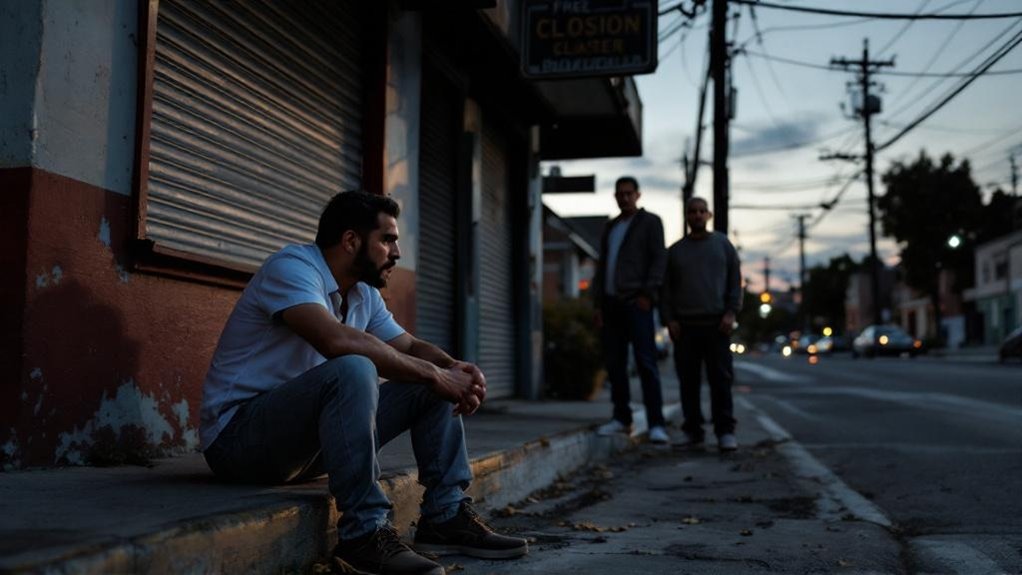
They heighten anxiety and depression by amplifying uncertainty, stigma, and family fears. I once watched a student flinch at every headline—like waiting for a storm siren. Surveys show spikes in stress during campaigns, and sleep, grades, and trust often drop.
Are There Confidential Hotlines or Apps Designed for Immigrant Adolescents?
Yes—confidential options exist. I recommend Crisis Text Line (text HOME to 741741), Trevor Project (for LGBTQ+ youth), Love Is Respect, MyLifeLine, and apps like My3, Calm Harm, and Headspace. You can chat, text, or call anonymously anytime.
How Can Peers Be Trained to Support Friends Facing Immigration-Related Stress?
Train peers with empathy skills, active listening, crisis signs, and cultural humility. I’d teach boundary-setting, confidentiality, grounding techniques, and referral pathways. I’d use role-plays, scripts, resource lists, and ongoing check-ins to reinforce skills and ensure safety.
Read The Next Blog Post –
I’ve seen how immigration stress quietly steals joy from Latino youth, but naming it isn’t doom—it’s the first step to healing. You might think these pressures are “just life,” yet constant uncertainty and bias reshape bodies and minds. When we spot early signs and bridge family, school, and community support with culturally rooted care, kids don’t just cope—they grow. I believe we can build trusted, bilingual pathways that restore safety, dignity, and hope—together, starting now.



![[Culturally Sensitive Therapy Options for Spanish-Speaking Communities]](https://purelatinocontent.com/wp-content/uploads/2025/10/culturally_sensitive_spanish_speaking_therapy_options_2ydk0-796x445.jpg "[Culturally Sensitive Therapy Options for Spanish-Speaking Communities]")