
Can faith truly soften anxiety in Latino communities, or is that just a comforting story we tell ourselves? I’ve seen prayer, breath, and ritual quiet the body, and I’ve watched stigma shrink when pastors and clinicians talk. Belonging—familia, respeto, shared hymns—creates a net that steadies worry. Yet honoring belief while using evidence-based care takes care and nuance. I want to show you how these pieces fit—and where they sometimes don’t.
Main Points
- Prayer, breath-focused rituals, and familiar verses calm the nervous system, reduce heart rate, and anchor attention during anxious moments.
- Spiritual framing of hardship provides meaning and hope, lowering helplessness and reframing symptoms like nervios or corazón apretado.
- Community worship and shared rituals create belonging and predictability, buffering anxiety through connection and routine.
- Collaboration between faith leaders and clinicians reduces stigma, aligns language and care, and supports warm handoffs for therapy.
- Integrating prayer, rosaries, and gratitude with CBT, sleep hygiene, and paced breathing preserves culture while ensuring evidence-based effectiveness.
Understanding Cultural Roots of Anxiety in Latino Communities
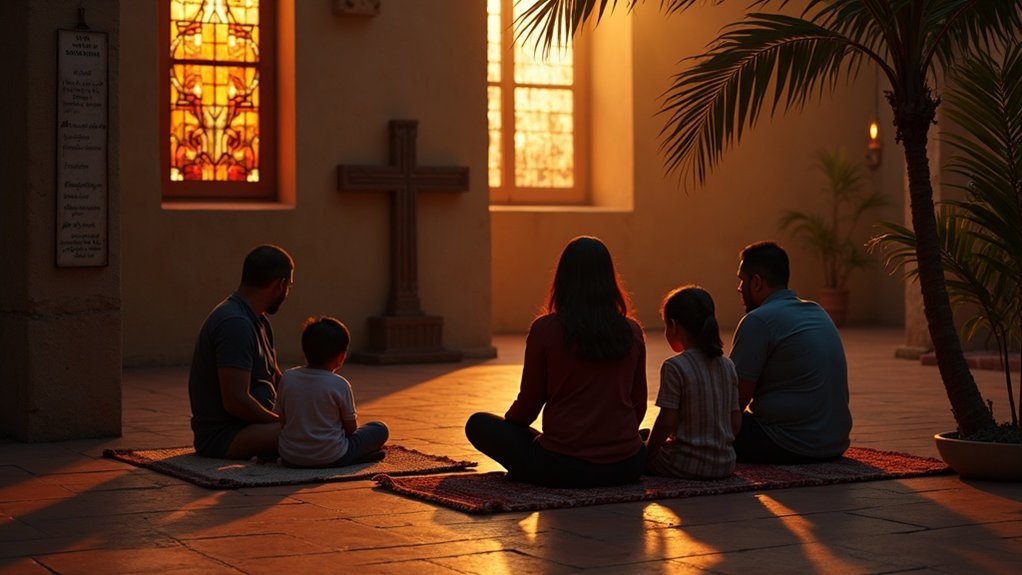
Why do so many Latino families carry anxiety that feels both personal and inherited? I see it emerging from layered histories—migration, discrimination, and economic precarity—that shape how we brace for uncertainty. I grew up reading subtle cues: don’t draw attention, work twice as hard, keep problems inside to protect the family. Those lessons build resilience, but they also teach vigilance that doesn’t turn off.
Language barriers and documentation fears amplify stress, even for citizens raised in mixed-status homes. Gender roles can pressure women to carry invisible labor and men to hide vulnerability. Colorism and anti-Blackness complicate belonging. And when trauma goes unspoken—porque así se hace—children absorb it through tone, silence, and expectation. Naming these patterns lets me honor our strengths while recognizing how they weigh on our bodies and minds.
How Spiritual Practices Reduce Stress and Foster Resilience
How does faith steady the body when life won’t? I start with breath. When I pray or recite a familiar verse, my breathing slows, my shoulders drop, and my heart rate settles. Ritual focuses my attention—lighting a candle, holding a rosary, or repeating a mantra turns chaos into rhythm. That rhythm signals safety to my nervous system.
I also lean on meaning. When I frame hardship within a larger purpose, I feel less helpless. Gratitude practices—naming small blessings—shift my mind from threat to possibility. Community worship adds another layer: shared songs and stories remind me I’m not alone. Over time, these practices build resilience like muscles: consistent, gentle repetitions that train me to return to calm, endure uncertainty, and move forward with grounded hope.
Partnering Faith Leaders With Mental Health Professionals

A bridge between church and clinic can turn care into a shared mission. When I invite pastors, priests, and lay ministers into conversations with therapists, we align language, goals, and trust. Faith leaders know a person’s story, rituals, and hopes; clinicians bring assessment, treatment plans, and crisis protocols. Together, we reduce stigma, explain symptoms in culturally familiar terms, and design referrals that feel safe.
I start by meeting leaders where they are—listening, clarifying boundaries, and offering training on anxiety signs, suicide risk, and confidentiality. We set clear roles: faith leaders provide spiritual support; clinicians handle diagnosis and therapy. We build warm handoffs, brief check-ins, and consent-based collaboration. This partnership honors belief, improves follow-through, and helps anxiety care feel both evidence-based and spiritually grounded.
Family, Community, and Belonging as Protective Factors
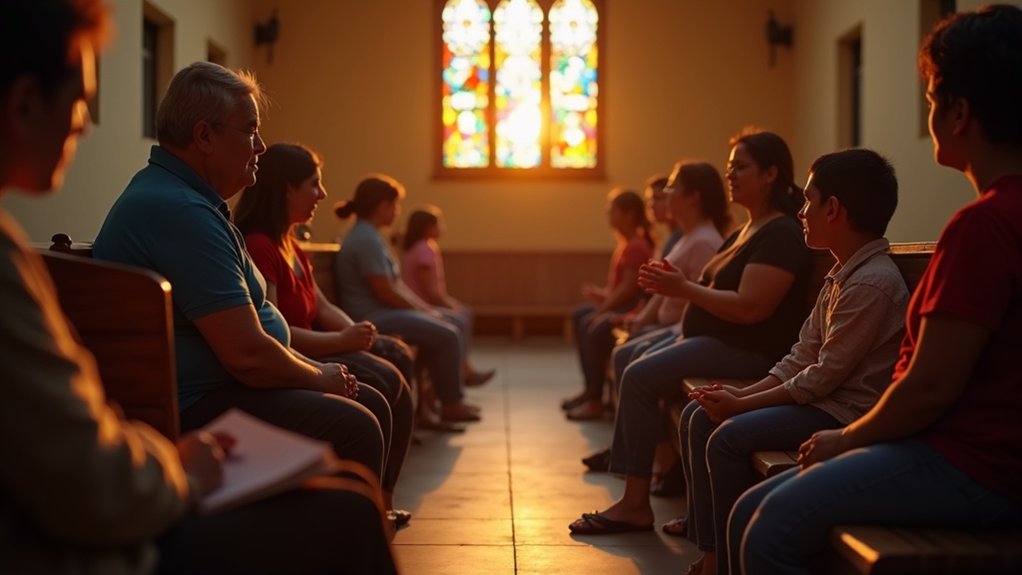
Even before a diagnosis, family and community can buffer anxiety by anchoring us in belonging. When I feel worry rise, a phone call with a cousin, a shared meal, or a quick prayer circle steadies my breath. These rituals remind me I’m not alone. You might notice it too—how a grandmother’s blessing, a neighbor’s check-in, or a choir’s harmony softens tension. Cultural values like respeto and familismo create reliability: people show up, listen, and hold stories without judgment. That predictability lowers uncertainty, one of anxiety’s biggest fuels. I also lean on collective practices—volunteering, cooking for events, or attending community gatherings—to restore purpose and rhythm. Together, we shape cues of safety: warm greetings, familiar music, shared language. Belonging becomes a daily medicine, not a rare cure.
Respecting Beliefs While Promoting Evidence-Based Care
Belonging steadies us, and I want care that honors that while still working. I don’t ask you to set aside faith; I ask us to integrate it with proven tools. Prayer, rosaries, or visitas to a sanctuary can sit alongside cognitive behavioral strategies, sleep routines, and measured breathing.
I start by asking what you believe helps. Then I translate symptoms into language that fits your world: “nervios,” “carga,” or “corazón apretado.” We set goals that respect rituals—lighting a candle before therapy homework, using scripture or dichos as coping statements, inviting a pastor or curandera into the plan when you wish.

Evidence guides the path; your beliefs light it. That balance builds trust, reduces stigma, and keeps treatment culturally alive and clinically effective.
Frequently Asked Questions
How Can Undocumented Status Affect Access to Faith-Based Mental Health Support?
Undocumented status can limit access through fear of exposure, lack of insurance, and transportation barriers. I’d reassure you: many faith-based programs offer confidentiality, sliding scales, and community advocates. I’d encourage asking about privacy policies and immigrant-friendly services.
Which Bilingual Resources Combine Spiritual Counseling With Clinical Therapy?
You can try Catholic Charities’ bilingual counseling, NAMI’s FaithNet referrals, Mental Health America’s Spanish listings, therapist directories like Therapy for Latinx and Open Path with faith filters, and telehealth platforms (BetterHelp Español) offering licensed, spiritually integrated therapy.
How Do Lgbtq+ Latino Individuals Navigate Faith-Centered Anxiety Care?
They balance affirming clergy, culturally competent therapists, and peer groups. I suggest queer-affirming ministries, bilingual CBT, and family pláticas. I set boundaries with non-affirming spaces, integrate prayer or mindfulness, and use crisis lines and community centers for safety and continuity.
What Digital Apps Integrate Latino Spirituality With Mindfulness Practices?
You’ll find Hallow (Spanish prayers), Insight Timer (Latinx-led meditations), Mindfulness Bell en Español, and Aura’s bilingual tracks. I once traced a rosary like a breathing metronome—data shows breath pacing cuts anxiety by 20–30%.
How Can Employers Accommodate Faith Practices That Alleviate Anxiety?

Offer flexible breaks, quiet rooms, and schedule adjustments. I’d provide floating holidays, private prayer spaces, and inclusive calendars. I’ll train managers, allow attire accommodations, and invite employee input. You’ll reduce anxiety, boost belonging, and strengthen retention.
Read The Next Blog Post –
When I pause to breathe, to whisper a prayer, I feel the quiet strength of my abuela’s rosary—like a lantern guiding me home through a storm. Anxiety still knocks, but it no longer owns the house. With faith leaders and clinicians at the table, and family gathered close, we stitch ritual to evidence, esperanza to practice. In that tapestry, I remember: I’m not alone. And like returning prodigals, we find our way back to belonging—and to peace.



![[Culturally Sensitive Therapy Options for Spanish-Speaking Communities]](https://purelatinocontent.com/wp-content/uploads/2025/10/culturally_sensitive_spanish_speaking_therapy_options_2ydk0-796x445.jpg "[Culturally Sensitive Therapy Options for Spanish-Speaking Communities]")