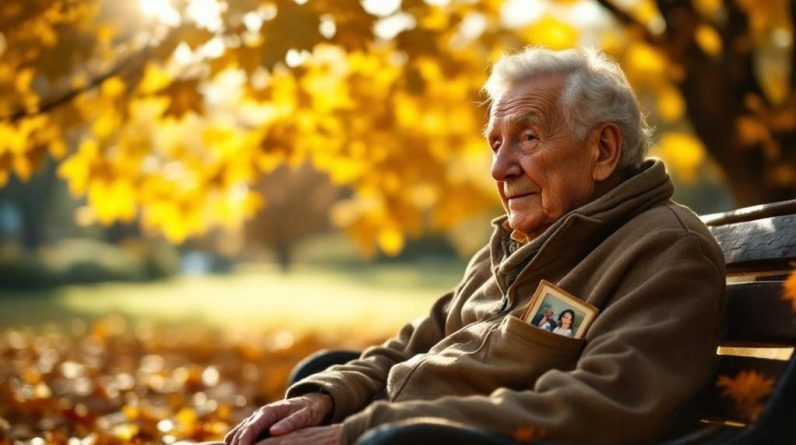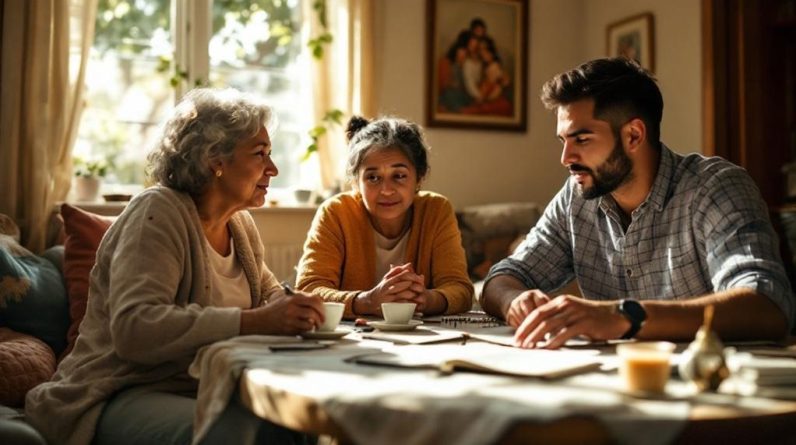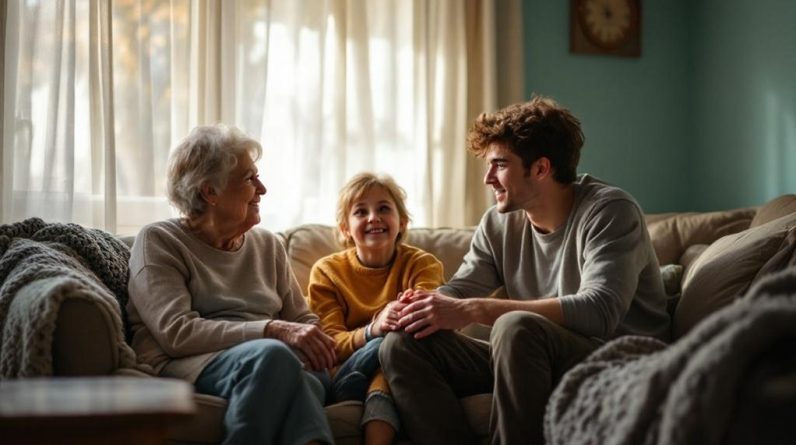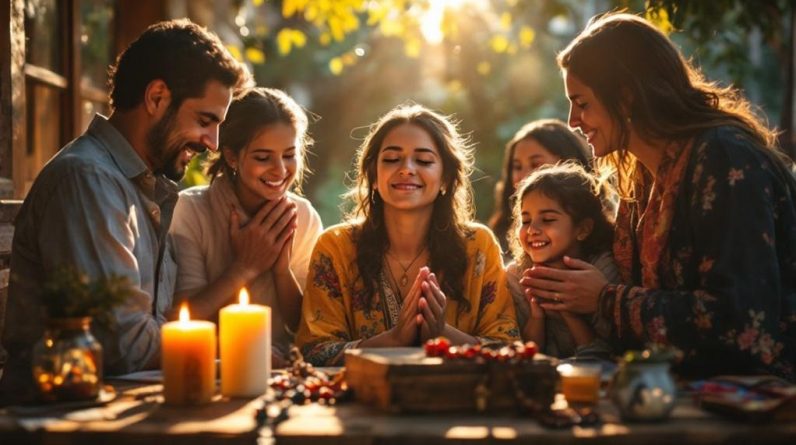
You don’t just heal—you inherit centuries of remedies, prayers, and grit. You draw strength from altars, rosaries, and shared meals, where family anchors you and respeto safeguards your dignity. Curanderismo sits beside clinic visits, and personalismo builds trust that quiets stigma. Ritual makes space for grief; faith fuels resilience; language opens doors to care. When providers honor your story and include your people, recovery becomes communal—and that’s where the deeper work begins…
Main Points
- Faith blends Indigenous, Catholic, and African diasporic traditions, giving meaning to suffering and shaping hope, identity, and daily coping.
- Familismo, respeto, and personalismo create protective social bonds that reduce isolation, stigma, and conflict while improving engagement with care.
- Communal rituals—prayer circles, altars, posadas, and shared meals—regulate emotions, mark transitions, and sustain belonging during crises.
- Curanderismo and Indigenous healing complement biomedical care, balancing body, spirit, relationships, and land through remedies, prayer, and counseling.
- Integrating spiritual care with mental health—bilingual support, family inclusion, and collaborative plans—strengthens resilience and recovery.
Cultural Foundations of Faith and Spirituality
How do faith and spirituality take root in Latino communities? You see them emerge from layered histories, where Indigenous cosmologies, Catholic traditions, and African diasporic beliefs meet. You inherit stories, rituals, and symbols that give meaning to suffering and joy. You learn that God, santos, ancestors, and nature can coexist in your moral imagination. You hold reverence for mystery while valuing practical wisdom passed down in families.
You treat faith as lived knowledge. You mark time through feast days, home altars, and life passages that anchor identity. You speak to the divine in Spanish, Spanglish, or an Indigenous language, trusting that language itself carries memory. You understand spirituality as relationship—between body and spirit, land and lineage—guiding how you interpret illness, recovery, purpose, and hope.
Communal Practices That Foster Belonging
Why do you feel most at home when faith becomes a shared rhythm—prayer circles, posadas, velorios, and Sunday potlucks that blur the line between sanctuary and living room? You step into these gatherings and feel seen. You don’t perform belief; you practice it together—lighting candles, singing, sharing stories, and cooking recipes that carry memory. You exchange blessings and casseroles, grief and laughter, childcare and rides.
In these circles, you cultivate reciprocity. You’re not a guest; you’re needed. Roles rotate: host, cantor, coordinator, dishwasher. The routine becomes a safety net—someone notices when you’re missing and reaches out. Public rituals mark transitions, anchoring you when life shifts. By returning weekly, monthly, seasonally, you build trust that outlasts crises, and you learn that belonging isn’t claimed—it’s practiced.
Curanderismo and Indigenous Healing Traditions

From those shared kitchens and pews, the circle widens to healing that’s older than the church walls—curanderismo and Indigenous remedies passed hand to hand. You meet plantas, limpias, prayer, and practical care woven into daily life. A curandera might use rue, chamomile, or sage, alongside massage, teas, and gentle counsel. You’re invited to see health as balance—body, mind, spirit, relationships, and the land in conversation.
You don’t have to choose between clinic and altar. You can blend grandmother’s tea with a doctor’s plan, honoring evidence and experience. Elders, midwives, and sobadores hold memory that complements modern care. When you learn the stories behind the remedies—where they came from, who tended them—you inherit tools for dignity, agency, and continuity in your own healing path.
Navigating Trauma Through Ritual and Prayer
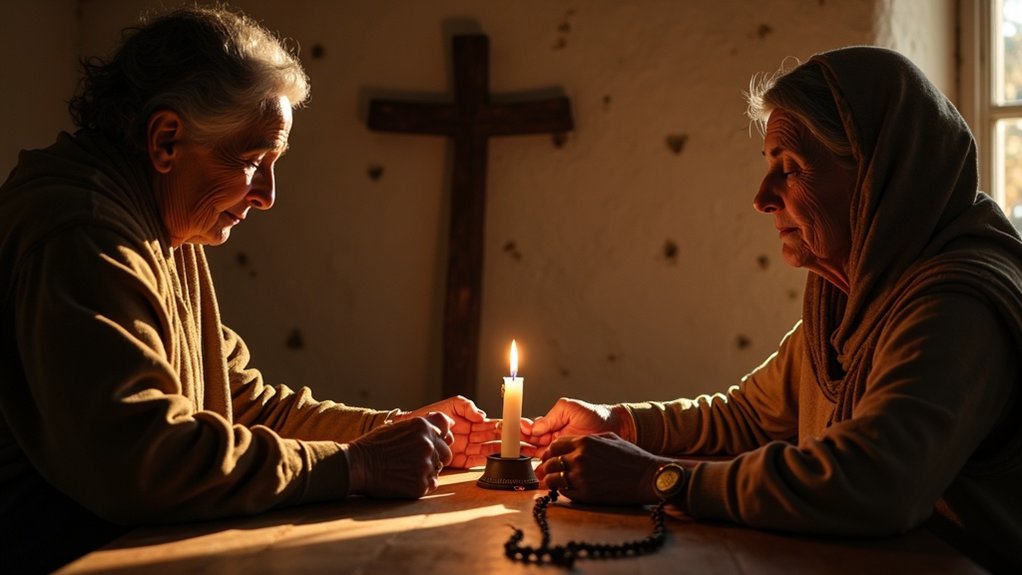
You can steady yourself through collective prayer circles that hold your pain and hope in community. At home, you tend a small altar—candles, photos, saints, and copal—so ritual anchors your days and honors your ancestors. When grief feels heavy, you make a pilgrimage and keep a promise, turning each step into a vow of healing and resilience.
Collective Prayer Circles
Even as grief and fear unsettle a community, collective prayer circles offer a grounded way to move through trauma together. You gather in a familiar space, form a circle, and breathe in sync. Someone names the intention, you all respond, and a shared rhythm begins. The repetition—spoken prayers, brief silences, a hymn—helps regulate nervous systems and restores trust in one another.
You don’t need perfect words; you need presence. You witness each person’s pain without rushing to fix it. Elders guide tempo and boundaries, while youth bring energy and song. You honor diversity in belief while committing to mutual care. As you close, you exchange blessings and concrete next steps. The circle becomes a practice of solidarity, memory, and steady hope.
Home Altar Practices
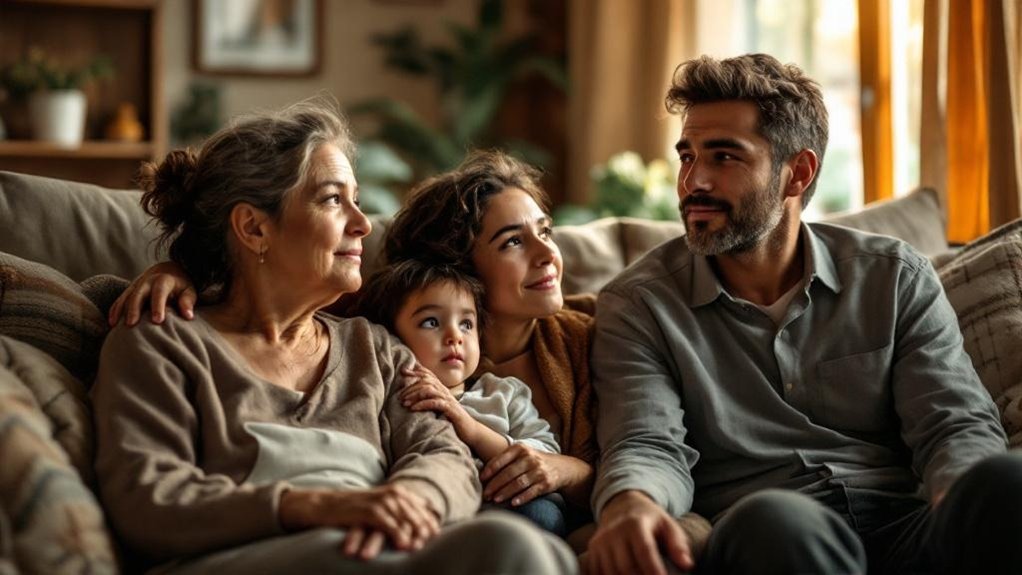
Prayer circles carry their rhythm back into the house, where a small altar turns a corner table into steady ground. You place a candle, a saint’s image, a rosary, perhaps a photo of an ancestor. Each item holds meaning, anchoring memory and hope. When trauma presses in, you light the candle, breathe, and speak intentions. You’re not performing magic; you’re shaping attention, regulating breath, and honoring pain without letting it define you.
You return daily, even briefly. You touch the rosary, whisper thanks, name fears, and ask for courage. This steady ritual tells your nervous system: you’re safe, you’re connected, you’re guided. Over time, the altar organizes chaos. It gathers grief and gratitude in one place, turning repeated practice into gentle repair and resilient presence.
Pilgrimage and Promises
A promise pulls you onto the road, a vow whispered in crisis that becomes a path under your feet. You walk because movement steadies grief, and each mile translates pain into prayer. Whether you head to a local shrine or a distant basilica, you carry memories, fears, and hope. Ritual gives shape to what feels unmanageable; candles, songs, and rosaries anchor your steps. When you arrive, you don’t erase trauma—you name it before the sacred and ask for courage to live with it differently.
- Name your promise and timeline; write it down before you begin.
- Choose a route and safety plan; invite a trusted companion.
- Bring a symbol of your intention—photo, ribbon, or stone.
- Close the vow with gratitude and a concrete next step.
Integrating Spiritual Care With Mental Health Services
You can strengthen care by bringing culturally attuned chaplaincy into your treatment plan, honoring language, traditions, and family roles. When chaplains and clinicians share assessments and goals, you get collaborative care pathways that reduce fragmentation and stigma. This integration helps you align spiritual meaning with evidence-based therapies for more consistent healing.
Culturally Attuned Chaplaincy
How can chaplaincy truly meet Latino communities where they are? You start by honoring faith practices, family bonds, and language. You listen for dichos, prayers, and stories that carry meaning. You ask about migration, grief, and hope without pushing doctrine. You collaborate respectfully with local clergy while safeguarding privacy. You adapt rituals to clinical settings, and you make room for silence, candles, or music when appropriate. You treat spirituality as strength, not symptom.
- Validate faith traditions: invite rosaries, blessings, and Virgen de Guadalupe devotions when patients request them.
- Speak the heart language: use Spanish or Spanglish, avoid jargon, and reflect key words back.
- Center family: include abuelos, padrinos, and chosen kin in care conversations.
- Address moral injury: explore guilt, forgiveness, and reconciliation with compassion.
Collaborative Care Pathways
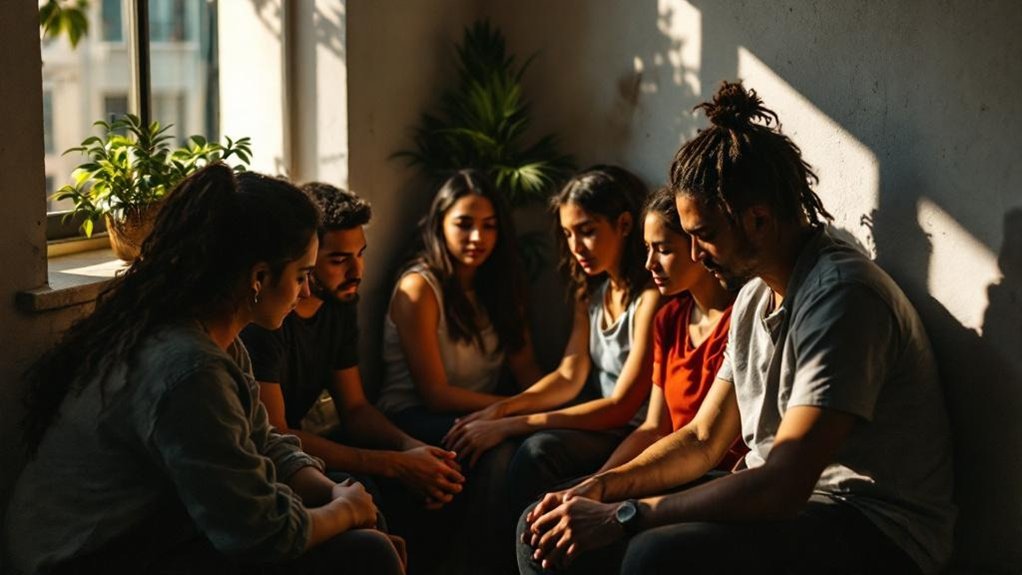
Even as chaplains honor tradition, coordinated pathways link spiritual care with mental health so patients don’t navigate healing alone. You benefit when chaplains, therapists, and primary care providers share a plan: clear referrals, warm handoffs, and consent-based information flow. You tell your story once, and each clinician understands your faith language, stressors, and goals.
In practice, you might meet a chaplain who screens for anxiety, then connects you to a bilingual therapist trained in culturally responsive care. You receive psychoeducation framed with your values—familia, esperanza, and dignity—while your provider monitors symptoms and your chaplain supports prayer, ritual, or meaning-making. Together, they watch for risks, address stigma, and celebrate progress. Collaborative care respects your autonomy, strengthens trust, and helps you heal with mind, body, and spirit aligned.
The Protective Power of Familismo, Respeto, and Personalismo
Why do core cultural values like familismo, respeto, and personalismo so often buffer stress and foster healing in Latino communities? You draw strength from family solidarity, mutual obligation, and warm, respectful relationships. Familismo anchors you in a reliable safety net; you’re not facing hardship alone. Respeto guides boundaries and dignity, reducing conflict and shame. Personalismo encourages genuine, caring connection that helps you feel seen, not stigmatized. Together, these values stabilize identity, reduce isolation, and turn everyday interactions into pathways for emotional regulation and hope.
- Notice how family check-ins lower anxiety and keep you connected to help.
- Practice respectful dialogue to ease tension and build trust.
- Seek warm, person-centered support to feel safe sharing pain.
- Lean on elders’ wisdom to navigate setbacks with dignity.
Strategies for Providers to Support Culturally Centered Healing
Building on the grounding power of familismo, respeto, and personalismo, you can shape care that honors what already heals. Begin by asking about family roles, faith practices, and community supports. Invite loved ones into planning when the patient wishes. Greet people by name, make eye contact, and give time for stories; these acts build trust.
Co-create goals that weave biomedical care with spiritual rituals, traditional remedies, and community resources. Ask about curanderismo or herbal use, check interactions, and integrate safely. Offer bilingual materials and use trained interpreters, not relatives, for accuracy.
Partner with clergy, promotores, and cultural healers to extend continuity. Screen for social stressors respectfully. Reflect on your biases, seek feedback, and adapt. Measure outcomes patients value: connection, meaning, and daily functioning.
Frequently Asked Questions
How Do Immigration Policies Indirectly Influence Faith-Based Healing Choices?
They shape your access to clinics, insurance, and legal safety, pushing you toward trusted churches, curanderos, and prayer networks. You weigh cost, fear of exposure, language comfort, and community support, choosing faith-based care when formal systems feel risky or inaccessible.
What Role Do Digital Communities Play in Latino Spiritual Resilience?
Digital communities amplify your spiritual resilience by connecting you with mentors, prayer circles, cultural rituals, and mutual aid. You share testimonies, learn practices, organize support, counter isolation, and celebrate identity, turning scattered experiences into daily strength and collective healing.
How Do Interfaith Marriages Shape Family Healing Practices?
Like a bridge, interfaith marriages shape family healing by blending rituals, expanding empathy, and encouraging dialogue. You negotiate traditions, set inclusive practices, honor multiple calendars, and teach children flexibility, so conflicts become lessons and shared ceremonies become restorative anchors.
Are There Ethical Concerns About Commercialization of Spiritual Services?
Yes. You risk exploitation, cultural appropriation, and diluted practices. You should question pricing transparency, informed consent, credentialing, and false claims. Prioritize community accountability, accessibility, and respect for traditions. If it feels predatory or opaque, don’t buy.
How Do Youth Reconcile Science Education With Ancestral Healing Beliefs?
Like weaving two threads, you integrate science and ancestral healing by testing practices, honoring cultural meaning, and using evidence where possible. You seek mentors, compare outcomes, adapt rituals for safety, and hold curiosity and respect in balanced tension.
Read The Next Blog Post –
You carry a living tapestry of faith, family, and resilience that can steady you like a lighthouse in rough seas. When you lean into prayer, ritual, and community, you honor your roots and strengthen your healing. You don’t have to choose between curanderismo and counseling—integrate them. Invite family, speak your language, and seek providers who respect your whole self. When you claim familismo, respeto, and personalismo, you transform care into connection—and recovery into renewed purpose.