
You carry stories shaped by migration, racism, poverty, and silence, even when no one names them. You see the roles—hero, fixer, scapegoat—and feel the unspoken rules that keep peace but strain the heart. Healing starts when you map your lineage, speak with compassion, and set boundaries that honor dignity. With culturally rooted rituals, bilingual support, and small consistent changes, you can interrupt the cycle. Here’s where you begin—and what to watch for next.
Main Points
- Name inherited patterns, roles, and unspoken rules (silence, obedience, hyper-responsibility) to see how history shapes current behaviors without blame.
- Practice culturally attuned communication: use “I” statements, reflect back, set time limits, and replace silence with clear, compassionate sentences.
- Set and hold boundaries that honor love and dignity; be specific, seek consent, name consequences, and follow through without shaming.
- Integrate storytelling and lineage mapping to acknowledge losses and resilience, rotate narrators, and use both/and language to interrupt shame.
- Build community care: seek bilingual, culturally responsive therapy, legal/immigrant support, hotlines, and grounding practices to address racism and migration stress.
Understanding Generational Trauma in Latino Contexts
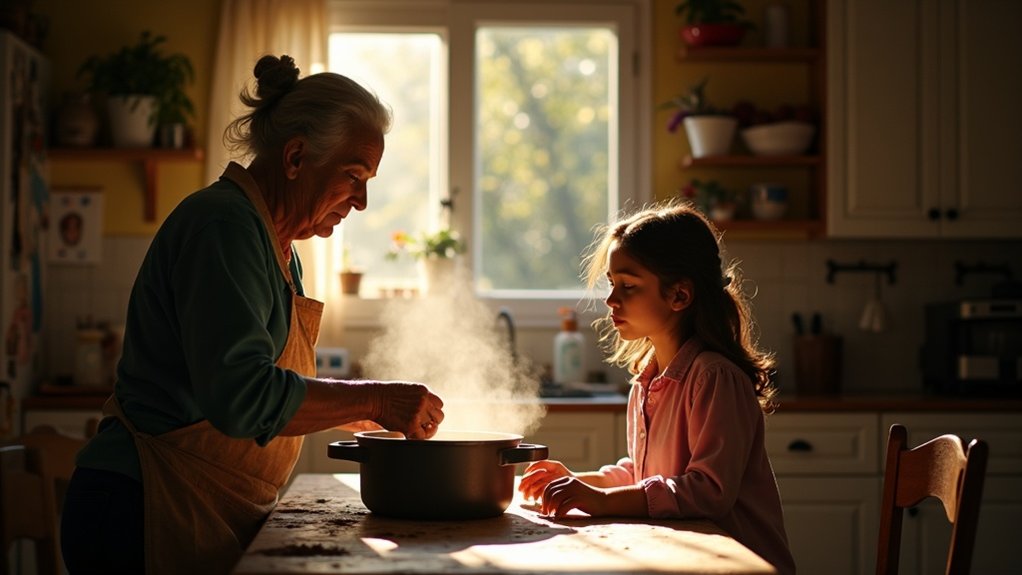
Although the term can sound clinical, generational trauma describes very real patterns of pain that pass through families—shaped by migration, discrimination, poverty, violence, and silence. In Latino contexts, you often inherit more than stories; you inherit survival strategies. Maybe your grandparents fled conflict, crossed borders, or worked grueling jobs. Their vigilance, sacrifice, and fear kept the family alive, but those reactions can echo in you as anxiety, hyper-responsibility, or numbness.
You might feel pressure to be grateful yet still sense a heaviness you can’t name. When racism or economic stress compounds daily life, your body stays on alert. You’re not imagining it. You’re noticing how history lives in emotions, boundaries, and choices. Understanding this lineage doesn’t blame anyone; it opens space for compassion and change.
Naming the Invisible: Patterns, Roles, and Unspoken Rules
You start by naming recurring patterns—who keeps the peace, who fixes, who stays silent—and how those roles shaped you. Then you question the unspoken rules, like “don’t air family problems” or “respect means obedience,” and ask who they protect. As you unmask these scripts, you create room to choose new, healthier ways to relate.
Unmasking Family Patterns
How do you name what no one ever talks about? You start by noticing what repeats. Track who fixes conflicts, who stays silent, who explodes, and who smooths everything over. Pay attention to birthdays, holidays, and crises—patterns reveal themselves under stress. Ask yourself: When do you feel small, responsible, or invisible? When do others expect you to rescue, obey, or entertain?

Give the roles names: the peacemaker, the provider, the golden child, the scapegoat, the ghost. Name the cycles: silence after tension, humor after hurt, gifts after guilt. Note the rules you sense but never heard: “Don’t burden your parents,” “Family first, always,” “Work before rest.”
Write what you see. Keep it simple, concrete, and compassionate. Naming isn’t blaming; it’s mapping the path you’ve walked.
Challenging Unspoken Rules
Patterns have names now; the next step is testing the rules that keep them in place. You’ve seen who fixes, who stays quiet, who explodes. Now ask, “Who decided this?” Unspoken rules sound like: Don’t question elders. Don’t burden others. Keep the family image. You don’t break loyalty by naming harm; you strengthen it by making space for truth.
Start small. Replace silence with one clear sentence: “I feel worried when we avoid hard topics.” Offer alternatives: “Can we pause yelling and return later?” Seek consent: “Is this a good time?” Practice role shifts: let a younger sibling lead, let a caretaker rest.
Expect pushback. You can hold boundaries and respect. Anchor yourself with breath, cultural strengths, and allies. Change is relational, consistent, and possible.
Roots and Resilience: History, Migration, and Racism

You carry histories shaped by colonial legacies that still influence language, colorism, and access to power. When you or your family migrate, you face loss, uncertainty, and discrimination—and you also build resourcefulness, networks, and bicultural skills. Naming both the harm and the strengths helps you choose what to heal and what to keep.
Colonial Legacies Persist
Why do echoes of colonization still shape daily life in Latino families? You inherit stories, silences, and survival strategies crafted under conquest, caste systems, and forced assimilation. These legacies don’t just live in textbooks; they show up in how you see yourself, how you’re seen, and how power moves around you. Naming them helps you choose what to keep and what to heal.
- Language and shame: You may internalize the idea that Spanish—or Indigenous languages—are lesser, shrinking your voice or splitting your identity.
- Colorism: Colonial caste hierarchies still influence beauty, trust, and opportunity, often within families.
- Gender scripts: Machismo and marianismo, shaped by empire and church, can constrict roles and emotions.
- Spiritual erasure: Indigenous and Afro‑Latino practices were suppressed, yet reclaiming them can restore dignity and connection.
Migration Stress and Strength
Those colonial echoes don’t stop at the border; they pack themselves into suitcases alongside birth certificates and family photos. When you migrate, you carry history, hope, and fear. Paperwork, language gaps, and uncertain jobs strain your body and mind. You might feel split between worlds, loyal to family back home while proving yourself here. Racism and legal precarity add layers of vigilance that can keep your nervous system on high alert.
Yet migration also reveals strength. You build new networks, translate systems, and learn to advocate. You teach children pride in roots while modeling adaptability. To heal, name losses and celebrate gains. Practice grounding, seek culturally attuned care, and share stories across generations. You’re not broken—you’re forging continuity amid change.
Storytelling as Healing: Reclaiming Family Narratives
Sharing stories becomes a bridge between past pain and present possibility, letting Latino families reclaim what silence once buried. You honor ancestors by naming what happened, how it felt, and what wisdom survived. When you narrate losses and victories, you interrupt shame, reduce secrecy, and cultivate dignity. Storytelling doesn’t erase harm; it organizes memory so the past informs choices instead of controlling them.
- Map your lineage: outline key migrations, ruptures, and solidarities; note dates, places, and voices to ground details.
- Practice “both/and” language: acknowledge harm and resilience without romanticizing or minimizing either.
- Rotate narrators: invite children, elders, and cousins so perspectives expand and hierarchy softens.
- Create containers: set time limits, consent agreements, and pauses for emotion, ensuring safety and sustainable dialogue.
Faith, Spirituality, and Cultural Rituals for Restoration

How do prayer, ritual, and everyday devotion become medicine for wounds you didn’t cause but still carry? You ground yourself in practices that remind you who you are and where you come from. Lighting a veladora, tracing the sign of the cross, or whispering a rosary steadies your breath and regulates your nervous system. You ask ancestors for guidance, honor saints, and thank Creator—acts that reweave dignity cut by migration, racism, or silence.
You don’t need perfection; you need rhythm. Morning blessings, a limpia with herbs, copal smoke, or placing photos on an altar mark time and meaning. You name pain and ask for release. You also celebrate survival. When you bless meals, sing coritos, or dance at fiestas, your body remembers safety—and chooses hope.
Community Care: Building Support Networks and Resources
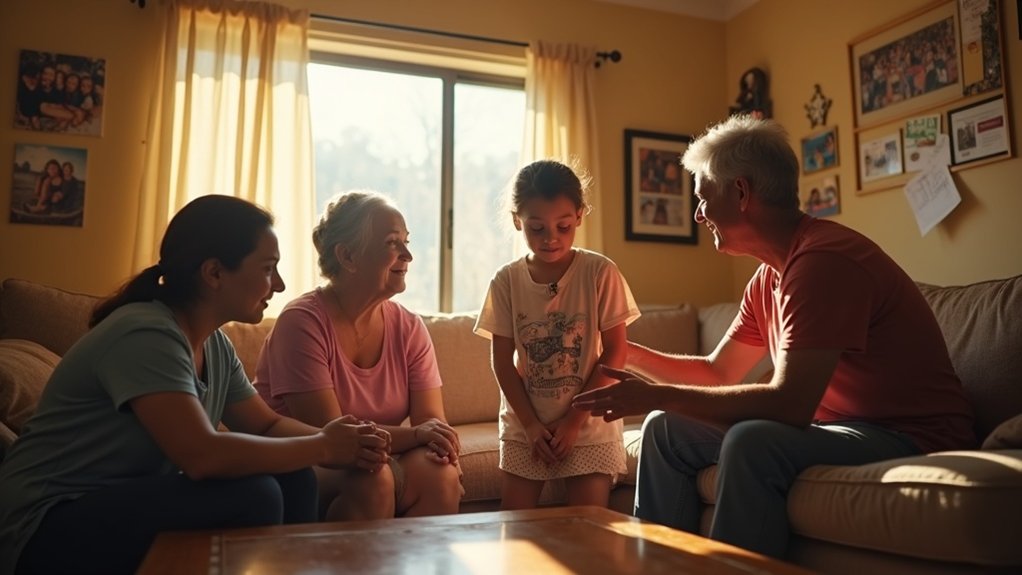
Where do you turn when healing feels too heavy to carry alone? You start by recognizing you’re not meant to do this in isolation. Community care honors interdependence—family, neighbors, elders, and trusted peers who help hold the weight. You build networks that reflect your culture, language, and values, so support feels safe, familiar, and consistent.
- Map your circles: identify relatives, compadres, mentors, and faith leaders you can call for rides, childcare, meals, or a listening ear.
- Join culturally rooted groups: mutual aid networks, Latino community centers, parent circles, or college affinity orgs.
- Share stories intentionally: set norms for confidentiality, consent, and respectful listening to reduce shame and increase belonging.
- Connect to resources: bilingual hotlines, culturally responsive clinics, legal aid, immigrant support, food banks, and crisis lines.
Practical Tools: Therapy, Communication Skills, and Boundaries
Sometimes the most loving move is to use concrete tools that make healing doable day to day. Start with therapy that understands Latino culture—seek bilingual clinicians or therapists trained in culturally responsive care. You can ask about family dynamics, immigration stress, spirituality, and grief.
Build communication skills you can practice at home. Use “I” statements, reflect back what you heard, and check assumptions: “What I’m hearing is…” Set a calm tone, agree on a time limit, and pause if voices rise.

Create boundaries that honor love and dignity. Be specific: “I can visit Sundays, not weekdays.” Name consequences and follow through without shaming. Protect your privacy, your time, and your body. Repair when you misstep, and celebrate small wins—they’re evidence of real change.
Frequently Asked Questions
How Do We Involve Reluctant Elders Without Disrespecting Cultural Hierarchies?
Start by asking permission, honoring titles, and sharing intentions. You invite stories, not critiques. Offer choices, small roles, and private conversations. Validate wisdom, use bridge-people, and propose pilots. You maintain respect, pace gently, and celebrate their guidance.
What Language Should We Use When Bilingual Vocabulary Feels Limited?
Start with shared, simple terms, then name feelings directly. Use metaphors, gestures, and stories to bridge gaps. Ask, “Does this word fit what you feel?” Normalize pauses, paraphrase gently, and co-create a small glossary together.
How Can We Protect Children From Transgenerational Financial Stress Patterns?
You protect children by modeling budgeting, discussing money openly, and setting clear saving goals. Create routines, limit impulsive spending, and celebrate small wins. Teach needs vs. wants, automate savings, build emergency funds, and seek community resources. Normalize asking for help.
How Do Mixed-Status Families Navigate Healing While Fearing Deportation?
You balance safety and healing by building trusted support networks, learning rights, creating safety plans, and practicing open communication. You prioritize mental health, use community and legal resources, set boundaries around news, and celebrate resilience while honoring complex emotions together.
What Metrics Track Progress When Healing Feels Intangible or Cyclical?
Track progress with weekly mood ratings, sleep quality, trigger intensity, conflict frequency, grounding skill use, boundary follow-through, and connection moments. Notice quicker recovery times, increased openness, and consistent routines. Review monthly, celebrate small wins, and adjust strategies compassionately.
Read The Next Blog Post –
You’re not starting from scratch; you’re tending a garden your elders planted. Name the weeds—silence, shame, overwork—and keep what still nourishes. In one clinic’s bilingual group, families who practiced 10-minute story circles weekly saw fewer blowups and more eye contact in three months. That’s your watering can: small, steady acts. Map your lineage, set dignifying boundaries, pray or sing together, and ask for help. With each honest story, you compost pain into soil where new roots take hold.