
You might not know “nervios” isn’t just nerves—it’s a shared language for stress that blends body, emotion, and culture. You carry family duty, bias at work, and migration stories in your jaw, breath, and sleep. Naming that weight without shame matters. Small rituals—color breaths, warm tea, a call to abuela—can help. So can faith, music, and bilingual therapy when possible. If you’re unsure where to start, you’re not alone—and there’s a way forward.
Main Points
- Nervios describes blended body-emotion distress; naming sensations (tight chest, overwhelm) reduces fear and guides help without needing a diagnosis.
- Common triggers include family obligations, workplace bias and code-switching, migration stress, and identity tension; boundaries protect energy and relationships.
- Quick tools: step into sunlight, count five colors, exhale longer than inhale, unclench jaw with manzanilla tea, send a one-sentence feeling voice note.
- Grounding habits: color-count cues, extended exhale breathing, jaw and shoulder release, brief outdoor resets, and timed reminders to relax.
- Access care affordably: sliding-scale clinics, university training centers, Latinx Therapy directories, Open Path, Inclusive Therapists, and bilingual/faith-based counseling.
What “Nervios” Means Across Latino Communities
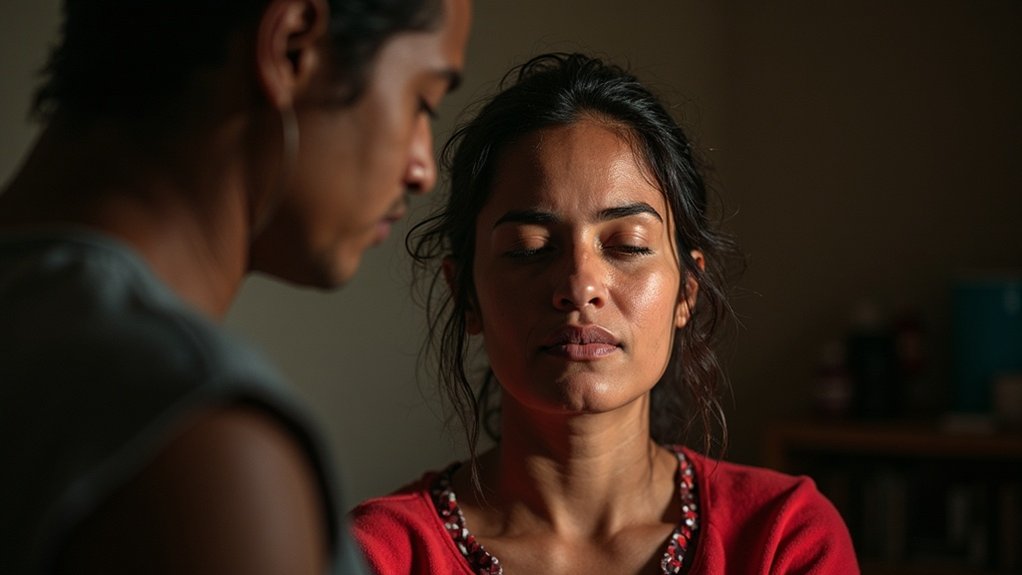
What exactly is “nervios,” and why do so many Latino families use the term? You’ll hear it used to name a bundle of distress: shaky hands, tight chest, stomach knots, tears, irritability, headaches, sleeplessness. It blends body and emotion, so you don’t have to split “mental” from “physical.” You can say, “Tengo nervios,” and be understood without a diagnosis.
Across countries, meanings shift. In Mexico, it might signal a sudden shock; in the Caribbean, waves of agitation; in Central America, lingering tension after hardship. Elders may describe “ataques de nervios,” intense episodes with crying or fainting. Others use nervios for quieter, chronic strain. You’ll also find home remedies, prayer, and community support woven into care. Naming it “nervios” validates your pain and invites compassion.
Everyday Triggers: Family, Work, Migration, and Identity
You feel nervios spike when family expects you to carry traditions, care for others, and stay strong without complaint. At work, you juggle pressure, code-switching, and bias that question your competence and belonging. Migration can split your identity, leaving you torn between roots and new realities while you try to feel whole.
Family Expectations and Roles
How do unspoken family rules shape the tension you carry day to day? You may feel pulled to be the fixer, the quiet one, or the steady ear for everyone’s pain. Traditions can anchor you, yet they can also script your choices—who you date, where you live, how you spend money, and when you speak up. When you bend to keep harmony, your body often pays with tight shoulders, shallow breath, and sleepless nights.

You might juggle caregiving, translation, and errands because “that’s what we do.” Saying no can feel like betrayal. Still, boundaries don’t reject family; they protect love. Name your role, notice where it hurts, and share limits early and calmly. Ask for help, divide tasks, and honor effort, not sacrifice.
Workplace Stress and Bias
Boundaries at home often meet a new test at work, where bias hides in jokes, accents, and who gets credit. You feel it when a meeting ignores your idea until someone else repeats it, or when you’re asked to translate “because you’re good with people,” not because it’s your job. Microaggressions pile up, tighten your chest, and feed nervios—fatigue, stomach knots, racing thoughts.
Name what’s happening. Track incidents with dates and specifics. Use allies: a mentor, an employee resource group, or HR policies that protect you. Set limits—“I can’t translate today; my workload is full”—and propose fair practices like rotating visibility, crediting contributors, and clear criteria for promotions. Breathe, stretch, take brief grounding breaks. You’re not oversensitive; you’re noticing patterns—and choosing dignity.
Migration Identity Conflicts
Sometimes the pull feels double: rooted in where you came from, stretched by where you live now. You translate more than words—you translate values, humor, grief. At home, you’re expected to honor traditions; outside, you’re told to fit in, speak faster, be “less much.” This constant code‑switching wears on your nerves, stirring guilt, anger, and doubt.
You might avoid family calls because questions about success feel like judgment. You might hide parts of yourself at work to dodge stereotypes. When people mispronounce your name or mock your accent, you wonder where you truly belong. Naming this conflict helps. You can set boundaries, seek bilingual spaces, and practice both‑and thinking. You’re not split; you’re layered. Claiming that layered self steadies your breath—and your future.
Body Signals: How Stress Shows Up Physically and Emotionally

Ever notice your shoulders tense, your stomach flutter, or your jaw clench before you even name what’s wrong? Your body often speaks first. Stress can show up as headaches, tight chest, racing heart, or shallow breath. You might feel knots in your back, nausea, or sudden fatigue. Sleep shifts—either you can’t fall asleep or you wake at dawn buzzing.
Emotionally, stress can sharpen irritability, make you feel on edge, or drain your patience. You may zone out, forget things, or overthink small details. Worry loops, guilt, or a low mood can follow. These signals aren’t random; they’re messages. When you notice a pattern—when, where, with whom—you gain clues. Tracking sensations and emotions helps you respond sooner, protect energy, and choose what supports you.
Breaking Stigma: Naming Pain Without Shame
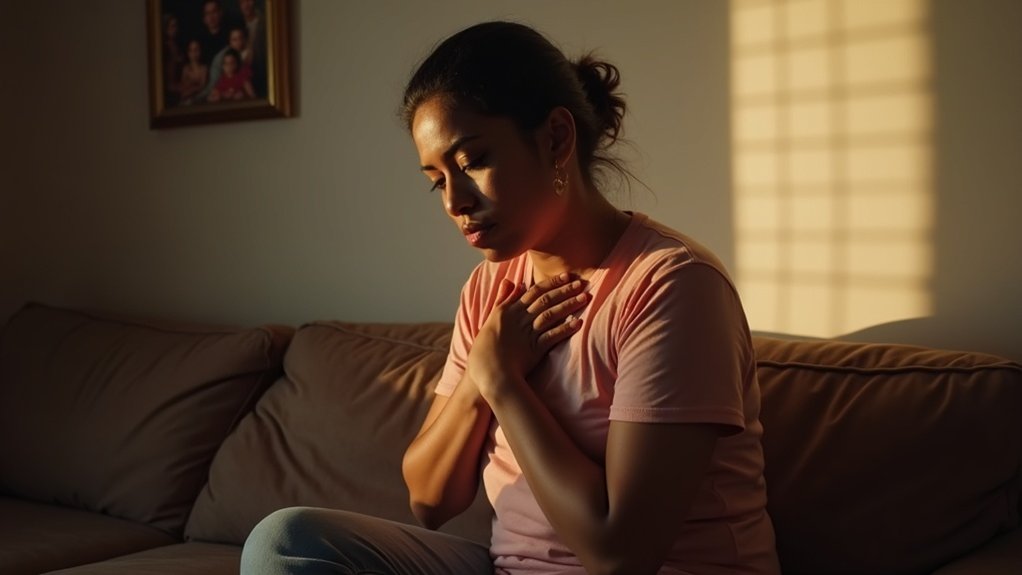
You can name what hurts without apologizing for it—language can liberate, not label. When you say “nervios,” anxiety, or grief out loud, you claim your experience and reduce its power. You’ll also face the cultural roots of silence—messages about aguantar and not causing pena—and choose a path that honors your feelings and your heritage.
Language That Liberates
How do the words you choose shape what you’re allowed to feel? When you call your heaviness “estrés” instead of “locura,” you open space for care, not judgment. Saying “me duele el alma” or “tengo ansiedad” can turn confusion into a clear signal: you need support, not silence. Precise words don’t exaggerate; they orient you.
Use language that’s gentle and grounded. Try: “I’m overwhelmed,” “My chest feels tight,” “I can’t sleep,” “I need a pause,” “Please stay with me.” These phrases invite help and set boundaries. Replace labels like “dramático” with observations: “I’m shaking,” “I’m tearful,” “I need water.”

Practice aloud. Share a feeling, then a need: “I feel scared; I need reassurance.” Language won’t erase pain, but it unlocks a path to relief and connection.
Cultural Roots of Silence
Language can open doors, but many of us learned to keep them shut. You grew up hearing “aguántate,” “no hagas drama,” or “Dios proveerá,” messages meant to protect the family, guard dignity, and survive. Silence felt like strength. Yet nervios thrives in the quiet, tightening your chest, your jaw, your sleep. Naming pain doesn’t betray your culture; it honors its courage by telling the truth.
You can trace the hush to migration wounds, machismo, marianismo, and respect for elders. These forces shaped you, but they don’t have to define your healing. When you speak, you choose continuity and change.
- Name what you feel: “Tengo miedo,” “Estoy cansado,” “Me duele.”
- Tell one trusted person today.
- Practice brief breathing before hard talks.
- Seek culturally rooted support.
Cultural Pathways to Healing: Storytelling, Faith, and Music

Why do certain traditions feel like medicine? You carry stories that hold pain and wisdom at once. When you share them—around a table, on a porch, after work—you name what your body already knows. Storytelling validates your experience and weaves it into a larger lineage, so nervios doesn’t isolate you; it belongs to a narrative with survivors and guides.
Faith offers rhythm and refuge. When you light a candle, pray, or attend Mass, you anchor fear to ritual. You borrow language for the unsayable and place your anxiety inside a promise of meaning. That shift steadies breath.

Music lets your nervous system exhale. You sing along, move your shoulders, or just listen. Melody organizes emotion, syncs heartbeat to hope, and turns tension into release.
Community Care and Practical Coping Tools
Where do you turn when nervios spikes and you don’t want to carry it alone? You start with community care you can touch: abuela’s caldo, a neighbor’s porch, the plaza’s rhythm. You don’t have to fix everything; you just need small anchors that remind your body you’re not isolated. Use simple rituals, share load with trusted people, and let your senses guide you back to steadiness. Build a toolkit you can reach for quickly and repeat often.
- Step outside, feel sun on your face, and count five colors you see; breathe out longer than you breathe in.
- Send a voice note to a cousin or comadre; name your feeling in one sentence.
- Brew té de manzanilla; sip slowly and unclench your jaw.
- Set a phone reminder: unclench, exhale, roll shoulders.
Finding Support: Affordable, Culturally Responsive Therapy Options
Sometimes nervios needs more than home remedies, and that’s when a therapist who understands your culture can help. You deserve care that respects your language, values, and family story.
Start by asking your clinic about sliding-scale counseling or low-cost group therapy. Community health centers, Federally Qualified Health Centers, and local universities often offer bilingual services. Search directories like Latinx Therapy, Therapy for Latinx, Open Path Collective, and Inclusive Therapists for culturally responsive clinicians with reduced fees.
If insurance feels confusing, call the number on your card and ask for in-network Spanish-speaking or culturally informed providers. Prefer community spaces? Check faith-based counseling programs and mutual-aid funds that sponsor sessions. If privacy matters, consider teletherapy platforms with Spanish options. Above all, trust your gut—your comfort guides healing.
Frequently Asked Questions
How Do I Talk to My Child About My Nervios Without Scaring Them?
Explain simply that your body feels jittery sometimes, not dangerous. Name feelings, model calm breathing, invite questions, and set a plan: “When I’m tense, we’ll pause, breathe, cuddle, or walk.” Reassure safety, love, and support.
Can Diet or Caffeine Make Nervios Worse, and What Should I Avoid?
Straight to the point: yes—diet and caffeine can worsen nervios. Start by cutting coffee, energy drinks, alcohol, and nicotine. Limit sugar, ultra-processed foods, and spicy meals. Eat regularly, hydrate, and choose calming foods: oats, bananas, yogurt, leafy greens.
What Words for Nervios Exist in Non-Spanish Latino Communities?
You’ll hear parallels like “os nervos” (Portuguese), “mal de nervos,” “nervosis” (Spanglish), “susto,” “ataque de nervios,” Garifuna “gubida,” Haitian Kreyòl “tansyon,” Brazilian “nervosismo,” and Andean “susto/espanto.” You’ll also encounter folk terms: “frío,” “espanto,” “mal de ojo.”
How Can I Support a Partner Whose Nervios Affects Our Intimacy?
Like holding a trembling bird, you support them by listening without fixing, validating feelings, setting gentle boundaries, prioritizing consent, creating calm routines, encouraging professional help, practicing grounding together, checking in after, celebrating small progress, and protecting your own emotional needs.
Are There Workplace Accommodations for Nervios Under Disability Laws?
Yes, you may qualify if nervios substantially limits major life activities. You can request reasonable accommodations: flexible scheduling, breaks, quiet space, remote work, modified tasks. Document symptoms, get provider support, engage HR in the interactive process, and know anti-retaliation protections.
Read The Next Blog Post –
You’re not just surviving nervios—you’re a seismic force reshaping your days. When you name your pain, your chest loosens like thunder finally raining. When you breathe color, release your jaw, sip tea, you don’t just calm—you reboot galaxies. You text a cousin, visit abuela, sing in church, and suddenly the ground remembers you. Keep setting tiny boundaries, seeking bilingual care, and sharing your story. Do that, and watch your life widen like a sunrise that refuses to end.