
Like swapping a frayed rope for a fresh line, I start by spotting the cue, the craving, the response, and the reward that tie a habit together. Then I reshape my space so the better choice takes less effort. I shrink goals, stack them onto routines I already do, and use clear If-Then plans. I track what triggers me and celebrate small wins. The surprise is what happens when one tiny change sticks—and what it unlocks next.
Main Points
- Map your habit loop: identify the cue, craving, response, and reward to reveal what you’re actually trying to satisfy.
- Replace, don’t just remove: design alternative responses that deliver the same reward the old habit provided.
- Shape your environment so the desired action is easiest: add cues, remove temptations, and reduce friction.
- Start tiny and stack onto existing routines; define success as the smallest step to build consistency without willpower.
- Use If-Then plans, ride motivation waves to upgrade systems, track triggers and wins, and celebrate immediate progress.
Decode Your Habit Loop: Cues, Cravings, Responses, Rewards
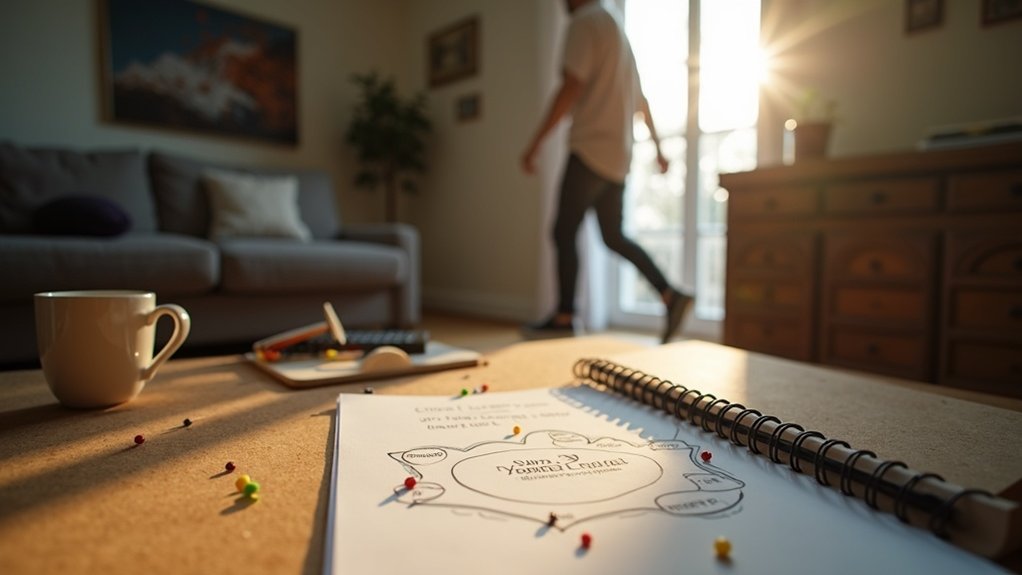
Although habits can feel mysterious, they’re built from a simple loop: a cue sparks a craving, the craving drives a response, and the response delivers a reward that teaches your brain to repeat it. I start by spotting the cue: time, place, emotion, people, or preceding action. Then I ask what I’m actually craving—relief, stimulation, comfort, control, or connection. Next, I name the response I tend to choose, the visible behavior. Finally, I identify the reward—what feeling or outcome reinforces the pattern.
When I map one real habit across these four parts, I see where leverage lives. If I misread the craving, I chase the wrong fix. If I clarify the reward, I can test alternative responses that satisfy the same need more reliably.
Design Your Environment to Nudge Better Choices
Knowing my cue–craving–response–reward loop gives me one more lever: shape the stage so the right behavior is the easiest one to perform. I don’t rely on willpower; I redesign friction. If I want to read, I place a book on my pillow and remove my phone from the bedroom. If I want to hydrate, I keep a filled bottle on my desk and an extra in my bag. To curb snacking, I store treats out of sight and put fruit at eye level.
I label zones: a clear counter for meal prep, a tidy corner for workouts, a single tray for keys and wallet. I pre-decide cues with visual prompts—sticky notes, calendar alerts, laid-out gear. By defaulting convenience toward desired actions, my environment quietly steers me right.
Start Tiny: Shrink Goals and Stack New Routines

How small can I start so success feels inevitable? I ask that first. If a habit feels heavy, I shrink it until it’s lighter than my excuses. One push-up. One sentence. One deep breath. Tiny actions remove friction and let me collect quick wins. Then I tack the new behavior onto something I already do. After I brush my teeth, I floss one tooth. After I make coffee, I read one paragraph. Anchoring pairs a familiar cue with a simple action, so the routine fires automatically.
I also define a clear end: when the tiny step is done, I’m done. Some days I’ll do more, but I don’t require it. Consistency grows identity. Small, reliable reps compound, and the larger version emerges without drama.
Use Motivation Waves and Implementation Intentions
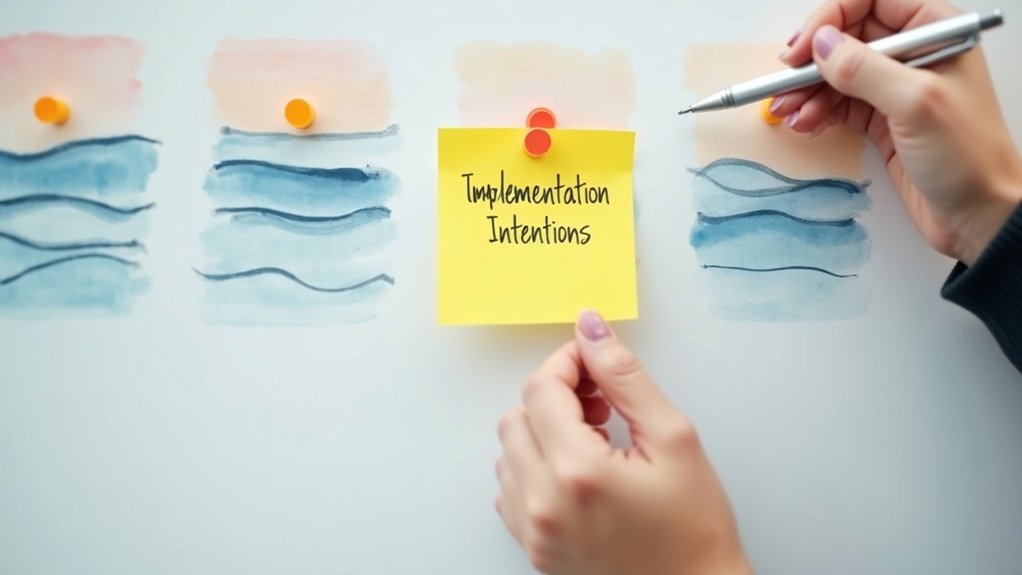
Sometimes energy surges, and I ride those motivation waves to set the stage for future consistency. When motivation spikes, I upgrade the system, not the daily load. I buy fruit I’ll prep, lay out workout clothes, and prewrite a two-sentence script for tomorrow’s task. I convert enthusiasm into infrastructure.
Then I use implementation intentions: If-Then plans that remove hesitation. If it’s 7 a.m. and I’m in the kitchen, then I’ll drink water and take my vitamins. If I finish lunch, then I’ll walk for five minutes. I specify the cue, the action, and the place. Clear triggers shrink decisions and reduce friction.
When urges dip, the plan carries me. I don’t negotiate; I execute the If-Then I already chose while motivated.
Track, Tweak, and Celebrate to Sustain Momentum

Why guess when I can measure? I track the habit I’m building and the cue that triggers it. A simple checklist or app shows me patterns: when I follow through, when I skip, and why. With data, I tweak one variable at a time—time of day, location, duration, or prompt. Small adjustments keep the habit friction-low and consistent.
When I miss, I diagnose, not judge. I ask, “What blocked me?” Then I redesign: prepare earlier, shrink the step, or pair it with an existing routine. I protect streaks but don’t worship them; progress beats perfection.
I celebrate tiny wins immediately. A brief “nice work,” a check mark, or a reward reinforces the loop. Track, tweak, celebrate—repeat. That rhythm sustains momentum.
Frequently Asked Questions
How Do Neurodivergent People Adapt Habit Strategies for Sensory Needs?
You adapt by matching habits to sensory profiles. I reduce triggers, use soothing cues, chunk tasks, and schedule recovery. I personalize tools—noise-canceling, fidgets, lighting—and set flexible routines. I track signals, adjust intensity, and celebrate consistent, comfortable progress.
Can Medications or Supplements Influence Habit Formation Success?
Yes, they can. Stimulants sharpen cues; sedatives blur them. I’ve seen SSRIs steady motivation, while caffeine boosts initiation but risks jittery inconsistency. I urge you: consult clinicians, track effects, and pair any pill with tiny, consistent behavioral steps.
How Do Chronic Pain or Illness Impact Habit Consistency?

Chronic pain or illness often disrupts consistency by draining energy, impairing sleep, and raising stress. I adapt by shrinking goals, syncing habits to symptom windows, stacking cues, celebrating tiny wins, and building recovery buffers. You’re not failing—your constraints changed.
What Cultural or Family Dynamics Hinder or Support New Habits?
Strangely, your family often mirrors mine: routines, shared meals, and encouragement support new habits; criticism, rigid traditions, or chaos hinder them. I’d suggest naming allies, negotiating boundaries, and inviting small rituals, so change feels communal, respectful, and sustainable.
How Do I Repair Habits After a Major Life Upheaval?
Start small and stabilize routines. I’d choose one anchor habit, set tiny cues, and track wins. I’d forgive relapses, reconnect with support, and revise goals to fit new realities. You’re rebuilding identity—consistency beats intensity now.
Read The Next Blog Post –
Change sticks when I work with my brain, not against it. I decode my loop—cue, craving, response, reward—then redesign my space so the easy choice is the right one. I start tiny, stack new actions onto old ones, and use If-Then plans to ride motivation waves. I track what triggers me, tweak what doesn’t fit, and celebrate small wins. Inch by inch, life’s a cinch. With consistent, frictionless tweaks, my new habits become automatic—and they last.