I don’t rise to the level of my goals; I fall to the level of my setup. When the cues around me point to action, I act; when they whisper distraction, I drift. So I design rooms that steer me, routines that click, and frictions that make bad choices annoying. It’s not willpower—it’s architecture. If you’ve ever wondered why discipline feels hard on some days and effortless on others, the answer is hiding in plain sight…
Main Points
- Cues in your environment trigger automatic behaviors; adjust sights, sounds, and placement so the first thing you see nudges the desired action.
- Reduce friction for good habits and add speed bumps to temptations to make the right choice the easiest default.
- Design your space for focus: group tools by task, clear surfaces nightly, and use visual cues to guide next actions.
- Leverage social norms and accountability: join aligned groups, announce goals, set check-ins, and track progress visibly.
- Build systems and routines that automate discipline: anchor habits, pre-decide workflows, and use app blocks and prepared materials.
The Hidden Power of Cues: Why Your Surroundings Drive Your Choices
Ever wonder why a cookie on the counter calls your name louder than the fruit in the fridge? I notice cues everywhere: sights, smells, sounds, and even time of day. They trigger scripts before I’m aware of choosing. A bright label, a buzzing phone, a chair facing a TV—each nudges me toward familiar actions. My brain loves ease and predictability, so it latches onto what’s obvious, immediate, and repeated.
When I change what I see first, I change what I do next. A water bottle on my desk prompts sips. Notes on the door prompt preparation. Quiet lighting cues winding down; a clear workspace signals focus. I’m not weak-willed; I’m cue-driven. When I understand the prompt, the pattern makes sense—and my choices become intentional.
Reduce Friction for Good Habits, Increase It for Bad Ones
How quickly do my habits change when I make the right action easier than the wrong one? Faster than willpower alone ever manages. I look for tiny frictions and remove them: prefill my water bottle, lay out workout clothes, and keep the book I’m reading within arm’s reach. I also add speed bumps to temptations: log out of distracting apps, store snacks out of sight, and put the TV remote in another room.
I ask one question before any change: what’s the next step that usually stops me? Then I smooth that step or make it slightly annoying for the behavior I want less of. Small adjustments compound. When the path of least resistance aligns with my goals, discipline feels less like a battle and more like momentum.
Design Your Physical Space for Focus and Follow-Through

Friction isn’t just digital; it lives in the room around me. When I want focus, I arrange space so actions feel inevitable. I group tools by task: laptop, charger, notepad, and water within reach; everything else out of sight. I clear surfaces each evening, so I start clean. I give every object a home, because decisions about “where it goes” drain attention.
I set visual cues: a open notebook on the chair tells me to begin; a small “done” tray invites completed items. Lighting matters—warm for planning, bright for execution. I use one chair and posture to mean “work,” another for reading. I control sound—white noise or silence—and keep snacks away. When the room points me forward, follow-through feels natural.
Leverage Social Norms and Accountability to Stay on Track

Why do I stay consistent when someone’s watching? Because social norms shape my choices. When I join a group that values effort and honesty, I mirror those standards. You can, too. Pick communities where showing up is normal—study circles, run clubs, maker meetups. Announce your goal publicly and set a clear check-in time. The simple expectation of reporting back keeps me on task.
I also choose an accountability partner. We agree on specific metrics, a cadence, and stakes—small rewards or costs. I keep it supportive, not punitive; we ask, “What blocked you?” and “What’s the next tiny step?” I limit partners to one or two to reduce noise. Finally, I track visible commitments—a shared doc or scoreboard—so progress is seen, not imagined.
Build Systems and Routines That Make Discipline Automatic
When does discipline feel effortless? When I stop relying on willpower and let systems carry me. I design routines like rails: once I’m on, momentum does the work. I anchor new habits to existing ones, automate decisions, and make friction shape my choices. If it’s easy to start and costly to avoid, I show up without debate.
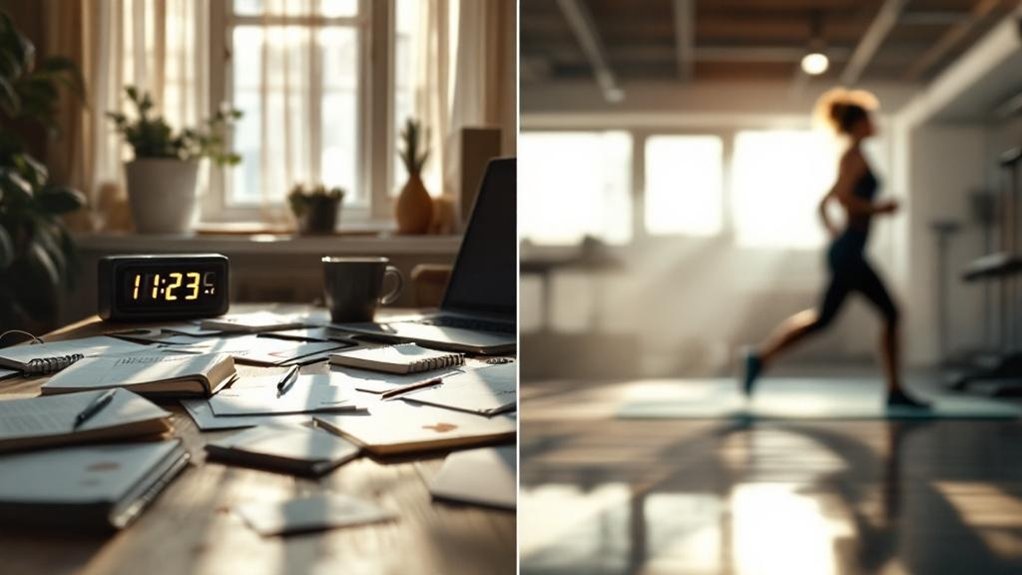
Here’s how I picture it:
1) A tidy desk at night, so morning me sits and starts, no hunting.
2) Workout clothes beside the bed, water filled, timer set—wake, dress, move.
3) A single-page checklist that closes my day: plan tomorrow, clear inbox, shut down.
4) Apps blocked during focus blocks, calendar guarded, snacks prepped.

I build the path; discipline becomes walking it.
Frequently Asked Questions
How Does Digital Privacy Impact Accountability Partnerships and Habit Tracking Tools?
It shapes trust and consistency. I choose tools with end‑to‑end encryption, minimal data retention, and clear consent. I anonymize shared metrics, control permissions, and set audit routines, so our accountability stays authentic while my habits and privacy remain protected.
Can Seasonal Changes in Daylight Affect Self-Discipline and Habit Stability?
Yes—shifts in daylight can sway self-discipline and habit stability. Like tides tugged by the moon, my energy, sleep, and mood follow light. I adjust wake times, use bright mornings, and anchor routines to protect consistency.
What Role Do Nutrition and Gut Health Play in Maintaining Daily Willpower?
They’re foundational. I notice steady willpower when I eat balanced meals, prioritize protein, fiber, and fermented foods, and avoid sugar spikes. Stable glucose, hydrated cells, and a healthy microbiome boost dopamine sensitivity, reduce cravings, and keep my focus resilient.
How Should Introverts Versus Extroverts Tailor Accountability Strategies?
Introverts, I’d choose quiet, written check-ins and one trusted partner; extroverts, I’d lean into group challenges, public commitments, and energetic check-ins. I’d match accountability to your recharge style, keep stakes modest, and iterate until consistency feels natural.
How Do Chronic Pain or Disability Constraints Reshape Optimal Habit Environments?

They shift design toward energy efficiency, accessibility, and pain-aware pacing. I’d advocate modular setups, sit-stand options, automation, buffer time, micro-habits, gentle cues, and flare-safe fallback plans. Together, we’ll prioritize consistency, comfort, and autonomy over intensity or rigid schedules.
Read The Next Blog Post –
When I shape my space, I stop wrestling myself and start gliding. One study found we make over 200 food decisions a day—most unconsciously—so cues and friction matter more than grit. I keep tools visible, clutter invisible, and bad habits inconvenient. I pre-plan, automate, and anchor routines to daily triggers. With social accountability, progress compounds. You don’t need more willpower—you need better defaults. Design the environment today, and tomorrow’s discipline takes care of itself.