


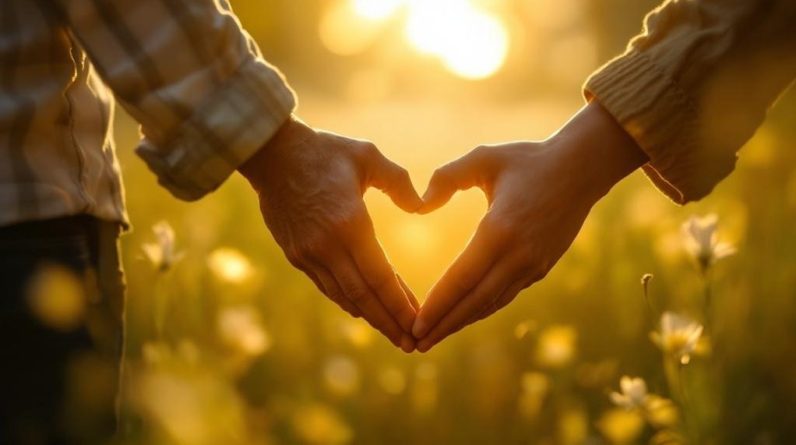
I keep noticing how gratitude loosens the knots between us—how a barista’s steady hands, dawn’s pale light, the breath that steadies me—quietly stitch me to you. When I name what’s true and tender, my edges soften; conflict turns curious, and I feel less alone in my own skin. It isn’t saccharine. It’s practice, precise and brave. If you’re willing, we can test it together—begin with one small thank you, and see what opens.
Main Points
- Precision in noticing small, shared details shifts attention from isolation to presence, opening a doorway to belonging.
- Specific, effort-focused gratitude softens boundaries, acknowledging intertwined labor without diminishing self-worth.
- Treating pain as data reveals protective roles and choices, turning suffering into guidance toward connection.
- Simple daily practices—three truths, mindful pauses, small order—stabilize inner life and invite steady belonging.
- Expressed with full attention, gratitude builds trust, reduces tension, and turns conflict into growth across relationships and communities.
The Quiet Revolution of Noticing

How do I begin to tell you that noticing saved me? I started small: the steam lifting from my cup, the thrum beneath my ribs, the way light edits a room at dusk. I let details tutor me. Precision became a doorway, not a prison. When I track what’s here—texture, rhythm, breath—my mind stops rehearsing absence and meets the present like a beloved.
I practice a deliberate gaze. I name colors without apology, pause before the second swallow, feel the edges of my palms. The ordinary answers back, subtle as a pulse under a bracelet. I learn the difference between looking and receiving. That shift rewrites my stance from control to companionship. Noticing turns noise into pattern, and pattern into a quiet, steady yes. When noticing also reveals persistent patterns—like two weeks of heaviness, sleep changes, or withdrawal—it can be a cue to seek culturally responsive support and treat duration as data.
From Me to We: Gratitude as Bridge
Where does the boundary soften between my skin and the world? It happens when I name, with care, what sustains me: the barista’s steady hands, the pulse of morning light, your willingness to listen. Gratitude isn’t a curtsey; it’s an instrument. I tune it daily to the pitch of connection.
When I thank you, I acknowledge our intertwined labor—visible and unseen. I’m not shrinking; I’m widening. Appreciation becomes an ethical practice: I track contributions, honor limits, and circulate credit. The center of self doesn’t disappear; it learns permeability.

I practice specificity—thanking effort, not aura. I practice reciprocity—letting thanks travel back with action. I practice witness—naming the web that holds us. With repetition, “I” loosens its grip, and “we” arrives, palpable as breath. As gratitude widens into practice, we “post wins on the fridge,” turning appreciation into community accountability that binds effort, form, and joy.
Reframing Pain Without Denial
Sometimes pain arrives like weather—insistent, unchosen, undeniable—and I meet it without varnish, then tilt the frame. I won’t pretend it’s sweet. I listen for its data: where it burns, what it protects, which boundary it defends. When I honor its message, the sharpness loosens, like a storm losing thunder at the edge of town.
Gratitude here isn’t a gloss; it’s a lantern. I thank the body for signaling, the heart for insisting on truth, the rupture for pointing toward repair. Naming the gift doesn’t cancel the cost; it clarifies leverage. From that clarity, choice returns. I can grieve cleanly, walk wisely, love with better aim. Pain shifts from enemy to ally—fierce, unsentimental, exact—teaching me how to belong to myself, and thus, to you.
And in practical terms, tending the body’s signals can include keeping vaccines up to date—from annual flu shots and decennial Tdap to age-appropriate HPV and shingles protection—so prevention supports the belonging your gratitude invites.
Everyday Practices That Cultivate Belonging
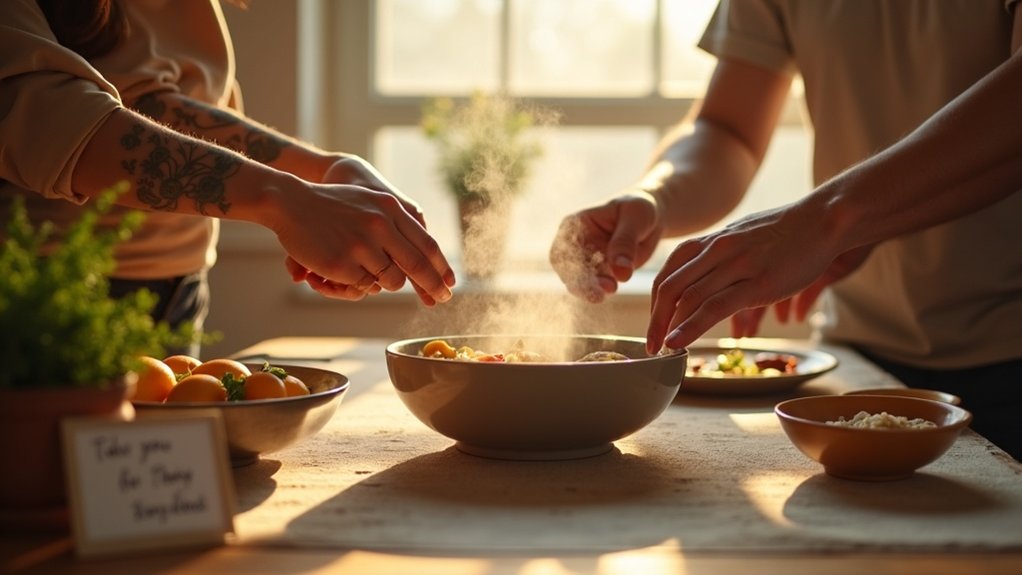
Why wait for belonging to arrive when I can practice it into being? Each dawn, I name three quiet truths I’m grateful for—breath, pulse, a sliver of sky. I place a hand on my heart, inhale for four, exhale for six, and let soft attention tether me to now. I ask my body what it needs, then honor the first honest answer.

I curate micro-rituals: a threshold pause before emails, a sip of water received like a blessing, ten minutes of undistracted looking at something alive. I tidy one small surface; order steadies my inner commons. I write one sentence to the part of me I’ve exiled, then invite her back. Belonging grows where I keep promises to myself, repeatedly, without spectacle. And I strengthen this belonging by tending practical foundations—like a weekly money check-in, building an emergency fund, and honoring needs vs. wants—so life’s stresses don’t pull me away from what matters.
Ripple Effects in Relationships and Community
How else could gratitude move but outward, like light slipping under a door and warming the hall? When I thank you with my whole attention, your shoulders lower, and presence returns to your breath. That ease invites truth. Truth invites trust. Trust multiplies options.
I watch gratitude behave like clear water: it reflects, then irrigates. A sincere acknowledgment—of effort, of boundaries, of repair—turns conflict into compost. We grow sturdier roots. We argue cleaner. We choose curiosity over the quick defense.
In community, gratitude becomes structure. It sets cadence for meetings, steadies dissent, and honors the unseen labor that holds the room together. Practice it publicly and privately. Name the specific, not the vague. Let appreciation circulate until worth isn’t hoarded, and belonging stops being negotiated. A culture of gratitude also strengthens resilience by encouraging quick feedback, measurable learning, and iterative improvement that compounds trust across teams and communities.
Frequently Asked Questions
How Does Neuroscience Explain Gratitude’s Impact on Perceived Separateness?
Neuroscience shows gratitude reduces amygdala reactivity, strengthens prefrontal regulation, and increases oxytocin and ventral striatum activity, softening perceived separateness. I practice deliberate savoring with you; attention braids safety and reward circuits, and my boundaries become permeable, resilient, and tenderly connected.
Can Gratitude Practices Coexist With Systemic Justice and Activism?

Yes—they’re twins in different boots. I thank fiercely, then organize, protest, vote, and build. Gratitude steadies my nervous system, widens my field of care, sharpens strategy, and sustains stamina, so you and I can prosecute harm while nourishing possibility.
What Cultural Traditions Link Thankfulness With Non-Dual Philosophies?
Vedanta’s prasad, Zen’s gassho, Sufi shukr, Indigenous thanksgiving ceremonies, and Christian Eucharist all braid gratitude with non-duality. I invite you to feel reciprocity dissolve edges; I practice noticing breath, offering thanks, and becoming porous.
How Do Trauma-Informed Approaches Adapt Gratitude Without Bypassing Harm?
They center consent, name harm, and pace practice. I pair gratitude with nervous-system regulation, boundaries, and repair rituals. I thank survival without sanctifying abuse, honor rage as signal, and integrate grief, accountability, and choice so gratitude becomes grounded, not bypass.
Are There Measurable Biomarkers That Track Gratitude-Induced Belonging?
Yes—oxytocin, heart-rate variability, and reduced cortisol track gratitude-shaped belonging. I know you’ll say biomarkers feel cold; I don’t. I weave them with self-report scales, social network density, EEG alpha, and vagal tone, then validate across contexts and time.
Read The Next Blog Post –
So I’ll leave you with this small lantern: I’m learning to call the hard parts “weather” and the sharp edges “seasoning.” When I thank the quiet—your coffee steam, my steady breath—we stop standing on opposite shores. We’re neighbors again, trading seeds across the fence. If I forget, I’ll start over, name three gentle truths, and let them braid us back together. Gratitude isn’t fireworks; it’s a pulse—soft, stubborn—and it keeps finding our hands.


