


Like stepping beyond Plato’s cave, I’m asking you to leave the shadows of title and script with me. I trust presence more than pedigree, earned regard more than metrics. When I listen for your pulse, not your role, something truer answers back. Agency can be shared without surrender; belonging can be offered without price. If we name our repairs and honor them, equality breathes again—and that’s where the harder question waits.
Main Points
- Meet people beyond titles and labels; honor the living pulse over roles, metrics, and polished histories.
- Use dignity as the quiet measure—presence and recognition—not performance, scoring, or data dashboards.
- Unlearn scripted behaviors; replace reflex with regard, context, and language that widens rather than narrows.
- Practice equity by mapping power, sharing decision arcs, seeking consent, and repairing impact without rescue.
- Build belonging without bargains: transparent few rules, inclusive design, observed quiet labor, and safe, honest exits.
From Labels to Lived Worth
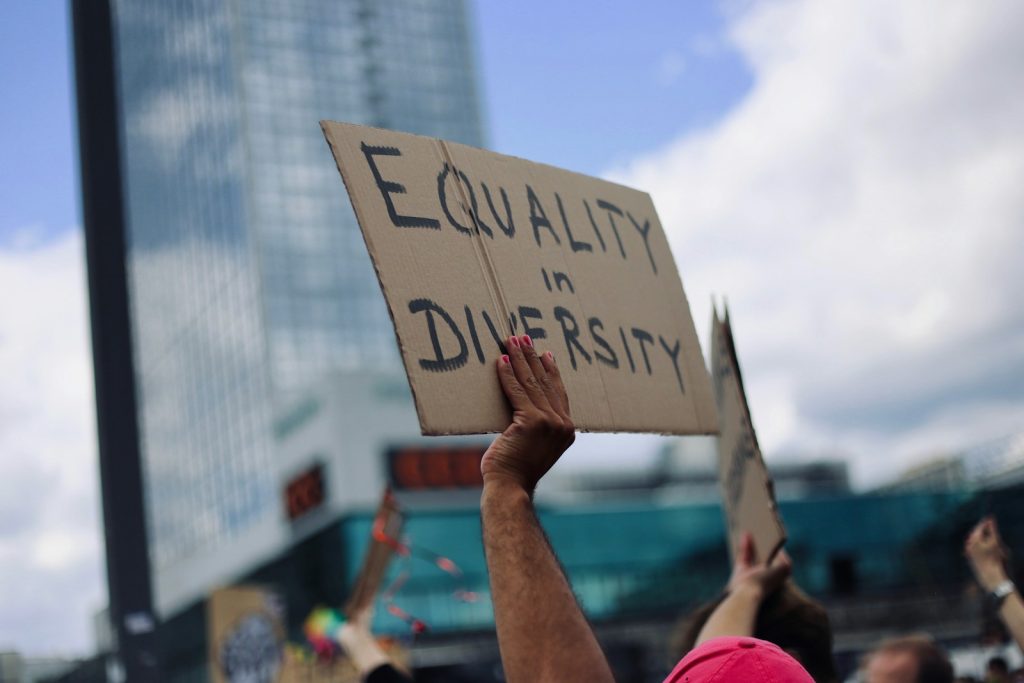
How did we let names eclipse people? I’ve watched titles bloom like stickers on skin, tidy and false, while breath and ache and wonder go unnamed. Labels promise order; they deliver distance. I refuse the shorthand. I want the pulse.
I meet you at the seam where roles fray. I listen past credentials, past histories polished for approval. I ask: What moves you when no one’s scoring? What work leaves a clean wake in your chest? I offer the same—my rough edges, my unfootnoted attempts.

Lived worth shows up in small, exact acts: keeping a promise when it costs; learning after success; yielding the floor without disappearing. It’s practice over posture. When we step beyond badges, we find ground roomy enough for both of us.
Dignity as the Measure, Not the Metric
So if lived worth is practice, dignity is the quiet gauge I trust. Not the scoreboard or the graph, but the pulse I meet in you. I listen for the uncountable: breath steadied by recognition, eyes unarmored, the ease of standing upright inside one’s name. I won’t turn a person into a performance. I meet you as source, not statistic.
1) Notice what expands when you’re seen without proving: follow that widening.
2) Refuse exchanges that cheapen presence; say no to bargains that trade soul for shine.
3) Speak to the inviolable first—then address skill, need, and timing.

4) Hold boundaries that honor both of us; care without capture.
I measure by fidelity: to truth, to repair, to shared horizon. Dignity holds. Metrics can consult. They don’t command.
Unlearning Scripts: How Systems Shape Selves
When did I first notice the lines I spoke weren’t mine? In a meeting, my voice bent itself to fit a chair’s shadow. The script was efficient, praised, and empty. I traced its edges back—policies, pricing, pedigrees—each a teleprompter embedded in culture. Systems write us by repetition; we memorize survival.
I began unlearning by listening for glitches: the pause after a compliment, the tightness before “data-driven.” I asked, whose data, which drive? I replaced reflex with regard. I named the author of each rule before I let it guide me.
This practice is quiet, exacting. I keep a ledger: language that narrows, assumptions that domesticate, rituals that convert dignity into output. Then I choose different words, slower measures, context over compliance. I return my voice to my breath.
Agency, Relationship, and the Practice of Equity


Although I move alone, my choices braid with yours. Agency isn’t a fortress; it’s a fluent edge, alert to consequence. When I decide, I also listen. Equity lives there—in the discipline to notice power, adjust weight, and share the arc of decision without surrendering self. I meet you as an equal, not a mirror. We trade clarity for clarity, risk for risk. I keep my stance; I soften my grip. That’s the practice: rigor with regard.
- Map power: name who benefits, who pays, and how to rebalance without rescue.
- Make consent explicit: ask, affirm, revisit; let “no” refine the work.
- Calibrate repair: acknowledge impact, offer remedy, keep proportion.
- Rotate authorship: distribute voice, credit, and veto so outcomes feel jointly owned.
Building Communities Where Belonging Isn’t Bargained
Where do we gather when membership isn’t a wager? I meet you where breath steadies and names loosen. We practice entry without price: no resumes of pain, no pledges of likeness. I bring attention, you bring your weather. We trade signals of safety—clear eyes, soft boundaries, honest exits.
I design rooms that refuse scarcity. Chairs for late arrivals. Language that doesn’t punish accent or slow thought. We keep rules transparent and few: dignity, curiosity, repair. When harm happens, we mend, not exile, unless safety demands distance. Authority circulates; stewardship is a chore, not a throne.
I listen for the quiet labor of belonging: water refilled, silence protected, credit shared. We measure health by who returns, who risks voice, who rests.
Frequently Asked Questions
How Can Children Be Taught Equality Without Reinforcing Stereotypes?
Teach through mixed examples, open questions, rotating roles, and precise language. I model curiosity, interrupt bias gently, honor individuality, and celebrate effort. You’ll see children map possibility, not categories; I keep widening the field, then step back.
What Role Does Technology Play in Reinforcing or Dismantling Hierarchies?

Technology amplifies power or dissolves it. I see algorithms crown gatekeepers—or open doors. I choose tools that decentralize voice, expose bias, and teach transparency. You can, too: audit, fork, encrypt, share, and keep asking who benefits—and why.
How Do We Measure Progress Without Reducing People to Data?
Like tasting rain, I measure progress through lived testimonies, shared agency, repair achieved, choices expanded. I track who speaks, who decides, who rests. I hold numbers lightly, prioritize dignity, invite reflection, and let courageous outcomes, not dashboards, lead.
Can Spiritual Traditions Support Equity Without Exclusion?
Yes—when they center dignity over dogma. I hold ritual lightly, welcome dissent, translate wisdom into shared practice, and keep doors open. You, too, can steward thresholds: prune hierarchy, honor conscience, rotate leadership, and measure devotion by liberated flourishing.
What Practices Help Prevent Allyship Fatigue Over Time?
I schedule rest like breath, rotate roles, study history, and measure impact, not noise. I practice reflective journaling, peer debriefs, micro-wins, and boundaries. I nourish joy, share power, and recalibrate goals—otherwise burnout devours me like a thousand suns.
Read The Next Blog Post –
So I set down the armor—names, ranks, scripts—and meet you at the river’s edge, where Ruth once said, “Where you go, I will go.” We breathe. In that small covenant of noticing, repair begins to glimmer like dawn on water. No thrones here, only shared footing. We choose each other, again and again, until the line between giver and receiver fades. If there’s a promised land, it’s this: presence kept, trust earned, and our equal hearts unafraid.


