


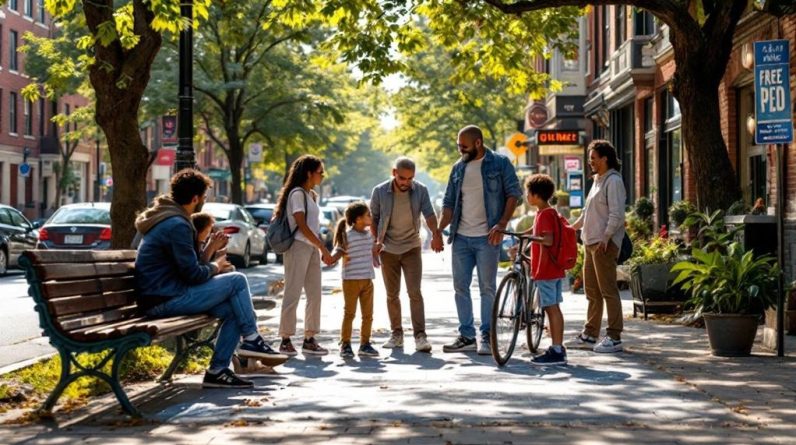
Some mornings I greet the block by name, as if each stoop remembers me back, and a borrowed umbrella waits like a small spell against weather and worry. I spend where hands I know have stitched the shelves, trade skills like lanterns, and pause long enough for a neighbor’s breath to catch. Words widen doorways; rituals stitch time. If you’re willing, I’ll show you how the quietest gestures tip a street toward something braver…
Main Points
- Start micro-rituals: brief stoop chats, shared tea, or Friday stew to build trust through repeatable, low-bar moments.
- Spend and hire locally to strengthen accountability, speed, and economic spillovers with clear, fair partnerships.
- Volunteer by mapping your strongest skills to needs; teach while doing and leave checklists and templates.
- Practice inclusive dialogue: ask expansive questions, name assumptions, repair harms, and share airtime.
- Co-steward shared spaces with rotating chores and a communal ledger for recipes, memories, and traditions.
Everyday Connections That Strengthen Neighborhood Bonds
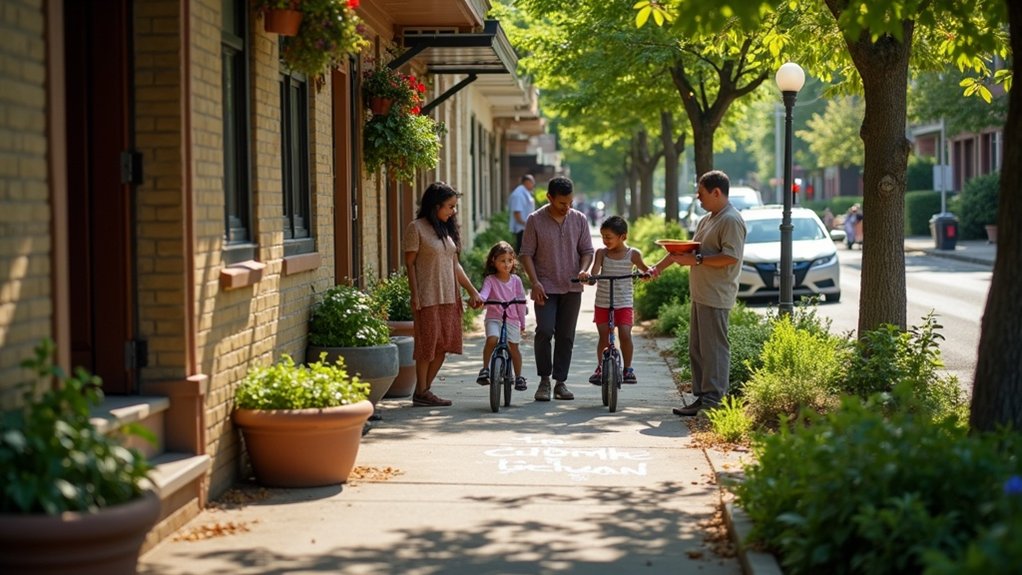
How does a neighborhood learn the music of its own heartbeat? I start by greeting names before needs, letting eye contact linger like a tuning fork. I notice the porch light that flickers, the elder who walks at dawn, the chalk constellations children scatter on sidewalks. I borrow and return with a note. I share a spare umbrella and a story. Small exchanges braid trust; repeated, they become ritual.
I host a stoop conversation, just fifteen minutes, phones away. I listen for subtext, reflect it back, and ask one catalytic question: What’s working that we can amplify? I map shared rhythms—trash day, sunrise bus stops, evening dog routes—and place micro-moments there. Over time, our hellos lengthen, our silence softens, and the block remembers it’s a choir. We build momentum with dawn check-ins—“ten squats, two breaths, one promise”—to nurture accountability and support that keeps our shared heartbeat steady.
Supporting Local: Buying, Hiring, and Partnering Nearby
The choir we’ve become needs instruments, so I start spending my dollars like notes that stay on the block. I buy bread from the baker who knows my name; each crust hums with neighborhood timbre. I hire nearby hands, because proximity compounds trust—turnaround tightens, accountability thickens, and we iterate faster than distance allows.
I partner with corner shops and garages, stitching agreements like quilt squares—clear terms, fair margins, shared data. We map strengths, choose pilots, and measure spillover: who gets work next, which windows light up later. Money circulates like sap, feeding roots we can’t see but can feel. And when we hire or collaborate, we also seek partners who practice culturally responsive care, verifying language access, inclusive forms, and community-rooted training so our support systems strengthen alongside our supply chains.

When I choose local, I’m not sentimental; I’m strategic. Resilience isn’t a slogan—it’s a supply chain with a familiar face.
Volunteering and Skill-Sharing for Collective Impact
Sometimes a spare hour opens like a small door, and I step through carrying what I know. In that sliver of time, skills become lanterns: a spreadsheet glows like a constellation, a saw hums like a friendly hive, code threads itself into a safety net. When I offer mastery, neighbors answer with theirs, and suddenly the block breathes like a well-tuned instrument.
I’ve learned to structure the magic:
1) Map my strongest skills to a specific need, then commit to a measurable outcome.
2) Pair with a complementary partner, so our edges interlock and amplify.

3) Teach while doing, leaving behind checklists, templates, and confidence.
4) Track results, celebrate small wins, and refine the next sprint.
We don’t just help—we compound value, turning hours into durable capacity. To sustain momentum, we set simple metrics and short cycles, borrowing fast feedback practices so resilience becomes repeatable and visible to the whole community.
Practicing Empathy and Inclusive Dialogue
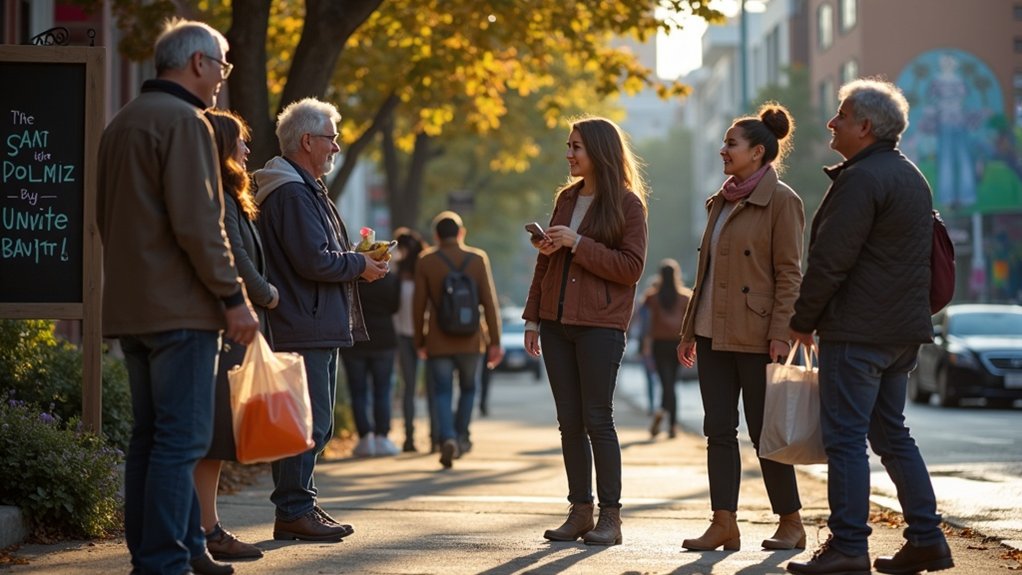
I ask questions that open windows, not trapdoors. I name my assumptions and let them breathe outside the room. When harm brushes the threshold, I pause, repair, and reenter with care. I watch my language like a gardener watches a gate—welcoming, never excluding. Together, we practice turn-taking like musicians sharing time, trading solos for harmony, until difference becomes a shared instrument. We also strengthen community by keeping vaccines up to date, including annual flu shots, decennial Tdap, and age-based protections like HPV and shingles vaccines.
Creating Shared Spaces and Traditions That Last
Because a community needs roots as much as wings, I start by tending to places where our days can touch—porches pulled into the street, a courtyard strung with borrowed lights, a park bench that remembers names. I sweep thresholds, invite noise, and let the evening lean in. Place teaches presence; ritual gives it rhythm. Together, they turn proximity into belonging. To strengthen our gatherings, we share practical tools like budgeting circles and bilingual workshops that teach financial literacy, from tracking expenses to protecting credit, so families feel secure showing up for each other.
Here’s how I shape spaces and traditions that endure:
- Map desire lines; place seats, shade, and story where feet already wander.
- Host small, repeatable rites—dawn tea, Friday stew, solstice chalk—until time knows the route.
- Share stewardship: rotate keys, chores, and decisions so ownership multiplies.
- Archive memory—recipes, melodies, jokes—in a communal ledger that anyone can annotate.
We’ll grow a neighborhood that remembers us kindly.
Frequently Asked Questions
How Can Digital Tools Complement In-Person Community-Building Efforts?
They extend your reach and rhythm: I weave calendars, group chats, and shared maps to braid strangers into kin, then meet in flesh. I measure pulse with surveys, archive lore, amplify voices—digital lanterns guiding us back together.
What Metrics Measure the Success of Unity Initiatives?
I measure success by participation, trust indices, collaboration longevity, cross-group ties, sentiment shifts, resource-sharing rates, and ripple projects completed. Like checking Wi‑Fi in a medieval tavern, I feel the room: warmth rises, conflicts cool, and collective cadence steadies.
How Do We Sustain Momentum During Crises or Burnout?
I sustain momentum by shrinking goals, ritualizing rest, and naming the storm. You, too, can braid micro-wins, peer check-ins, and rotating leadership. I track energy like weather, celebrate tiny dawns, and let purpose re-enchant the tired hour.
How Can Renters Influence Long-Term Neighborhood Planning?
By organizing tenant councils, I shape advisory boards, testify at hearings, map data, and draft vision memos—straight from the horse’s mouth. I weave stories like lanterns, rally signatures, mentor neighbors, and negotiate community benefits that outlast any lease.
What Funding Sources Support Grassroots Unity Projects?
Grants, microfunds, participatory budgeting, donor-advised gifts, corporate CSR, union/community foundations, faith-based tithes, crowdfunding, mutual aid circles, and in-kind support. I’ll braid them carefully with metrics, stories, and coalitions—so your project sings, audits shine, and momentum multiplies like fireflies.
Read The Next Blog Post –
So let’s do the gentle work. I’ll call you by name, lend the umbrella, and spend my coins where the shop lights know our faces. I’ll offer my hands, trade a skill, and choose softer words when storms visit our table. We’ll stitch a bench from afternoons, keep stories pressed like flowers, and let small pauses mend the unseen. In these quiet arrangements, our neighborhood learns to breathe together—and even the sidewalks remember how to hold us.


