


I’ve watched how a grandmother’s caldo stitches history into a school night, how a tia’s needle threads courage into a hem, and how kids translate rent notices like tiny saints with backpacks. I carry salt in my pocket for guidance, a quiet pact with the women who taught me to make a dollar into a window and a mural into a promise. These small rituals build a city of kin—and tonight, something new knocked.
Main Points
- Recipes, sewing, and whispered memories transmit heritage, letting ancestors guide kitchens and craft tables into intergenerational classrooms.
- Group texts, micro-carpools, and shared passwords weave daily safety nets, keeping schedules steady and neighbors from slipping through gaps.
- Bilingual girls translate documents and dialogue with consent and pace, turning language into access while protecting family dignity.
- Women-led tiendas and salons sponsor uniforms and commission murals, embedding care and pride into neighborhood economies and streetscapes.
- Faith and mutual aid braid casseroles, candles, and cash envelopes into rapid relief, sustaining rent, childcare, rides, and bail when systems fail.
Sharing Food, Skills, and Stories Across Generations
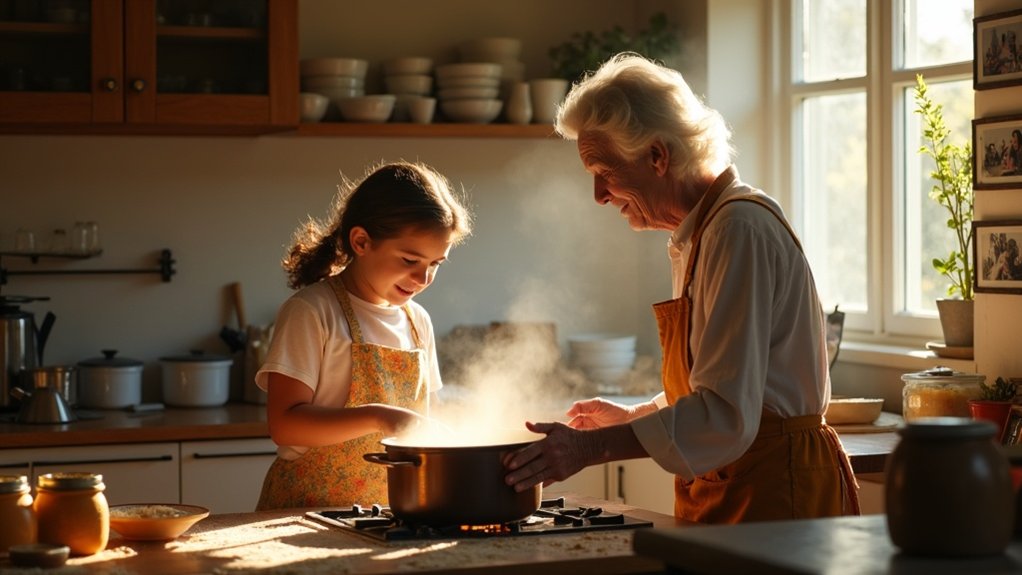
How do we measure the love that travels by recipe, needle, and whispered memory? I count it in fingers dusted with masa, in thimbles that gleam like small moons, in stories that stitch the torn places we inherit. When I cook beside my tía, garlic opens like a door; ancestors enter, offering salt and counsel. I teach my niece to hem courage into a skirt, to read the fabric’s grain the way we read a barrio’s changing winds. You stand with me at the table; I hand you a ladle and a lineage. We trade techniques like charms: how to temper chocolate, quiet grief, bind a seam, answer silence. The pot simmers; the calendar softens. Knowledge moves hand to hand, and we become durable.
Neighbor Networks That Keep Work and School on Track
When the morning frays, I text the group thread and a web appears—keys passed, rides offered, a laptop rescued from a cousin’s couch like a lost prayer. You know the choreography: tias mapping bus routes, comadres timing clock-ins, abuelas guarding passwords like rosaries. We solve the day by increments, stitching time so nobody slips through.
I trust the spell of logistics. It’s feminist work—strategic, embodied, unpaid—yet it lifts paychecks and grades alike. Streetlights blink, and I feel our quiet sovereignty: calendars braided, childcare rotated, deadlines met without applause.
- Micro-carpools that outrun late shifts, minimizing fare, maximizing safety and punctuality.
- Rotating study nooks—living rooms turning into disciplined sanctuaries.
- Emergency kits: chargers, spare uniforms, bus cards—an arsenal of continuity.
Call it ordinary magic; I call it infrastructure.
Youth as Language Bridges and Advocates

Sometimes I watch a middle-schooler open her mouth and an entire bridge unfurls—English to Spanish to systems that pretend not to hear us—and I remember my own tongue learning to carry elders across. I see how girls, especially, shoulder the translational spine of the household, stitching documents to dignity, calendars to clinics, fear to facts. I don’t romanticize the burden; I name it, then teach her leverage.
I coach breath, pace, and consent: you can pause, decline, redirect. I arm her with phrases that turn officials into listeners. When she interprets, saints of syntax braid her hair; verbs grow feathers; borders blink. We practice advocacy like martial art—stance, witness, debrief. Language becomes a keyring, not a leash, and she walks through intact.
Small Businesses Investing Quietly in Community Pride
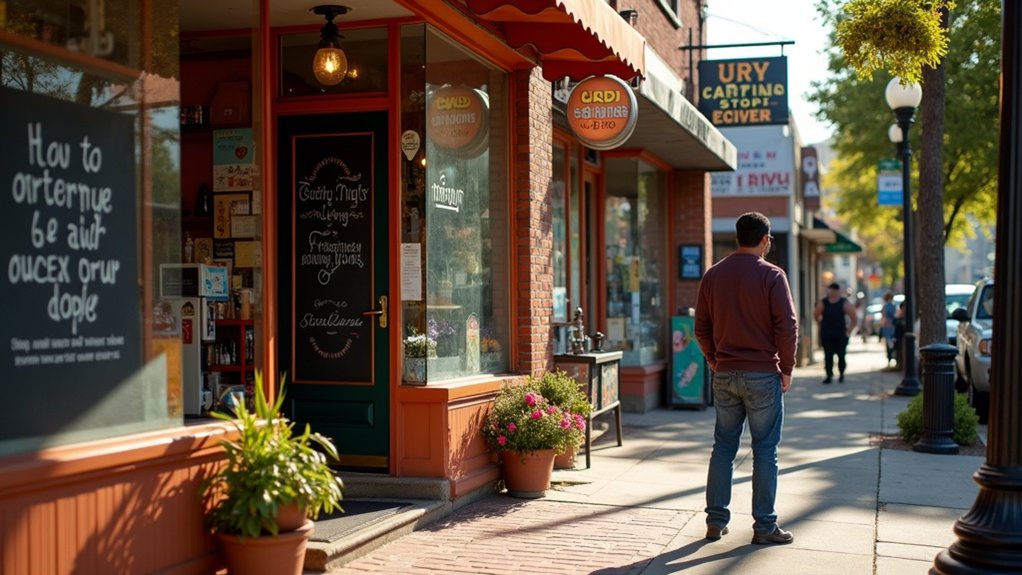
On any given block, I watch tiendas and salons tuck love into the seams of a neighborhood—quiet as a blessing, steady as rent. I see owners—mostly women—balance ledgers with one hand and futures with the other. Their windows shine like small constellations mapping us home. You might miss it, but pride hums under the cash drawer, under the mop bucket, under the baby asleep in the back.
1) They sponsor uniforms without applause, stitching names onto jerseys so girls run the court like comets, claiming orbit and authority.
2) They commission murals, paying in tips and trust; suddenly brick remembers our faces, and ancestors nod through pigment.

3) They host hours after closing—resume clinics, scholarship jars, whispered mentorship—turning fluorescent light into dawn.
Faith, Culture, and Mutual Aid as Everyday Safety Nets
How else do we survive but by braiding spirit to soup and rent? I learned to count blessings like coins, tracing saints on steam-fogged windows while arroz simmered. You know this arithmetic: candles for courage, casseroles for grief, envelopes that pass hand to hand like quiet thunder. I don’t separate altar from pantry; neither did my mother, nor the tias who stitched prayers into grocery lists. Faith here isn’t escape—it’s praxis, a choreography of care.
When I say culture, I mean the drumbeat that remembers our names, even when policies forget. Mutual aid moves faster than bureaucracy, shapeshifts into childcare, ride shares, bail. I trust the circle: you carry me today; tomorrow I’ll lift you. That’s our covenant—women-led, power-braided, ordinary and miraculous.
Frequently Asked Questions
How Can Newcomers Find Mental Health Resources in Spanish and English?
Start with local clinics, bilingual therapists on Psychology Today, and community centers; I’ll guide you to NAMI’s helpline. Ask libraries. Trust elders’ whispers, moon-bright breathwork, WhatsApp mutual-aid. You deserve mastery—tracking symptoms, setting boundaries, crafting rituals that guard your fierce heart.
What Digital Tools Help Coordinate Community Caregiving and Elder Check-Ins?
Use CareZone, Lotsa Helping Hands, and CaringBridge; add WhatsApp check-in groups, Google Calendar rotations, and Alexa drop-ins. I weave these tools like charms, centering elders’ agency, so you coordinate care with rigor, tenderness, and shared power.
How Do Undocumented Residents Safely Access Disaster Relief and Insurance Aid?

You consult trusted nonprofits, legal clinics, and disaster-assistance hotlines; I shield privacy with ITINs, mutual-aid funds, and community sponsors. I document losses, avoid enforcement sites, and appeal denials. Ancestor whispers guide meticulous records; sisterhood networks braid safety, courage, and lawful pathways.
What Strategies Protect Volunteers From Burnout and Secondary Trauma?
I shield volunteers with lighthouse rituals: bounded shifts, reflective circles, supervision, and rest. I teach grief composting, trauma literacy, peer debriefs, and boundaries. I honor bodies, pay stipends, rotate roles, track warning signs, and celebrate wins like protective talismans.
How Can Diaspora Members Support Projects Back Home Transparently?
Share budgets publicly, audit funds, and co-design with local leaders. I insist on open ledgers, diaspora councils, and impact dashboards. I honor women’s wisdom, name every dollar, and let small enchantments—receipts, stories, consent—keep power circulating transparently.
Read The Next Blog Post –
I carry these quiet acts like candles in my pocket, small flames that refuse to dim. When we pass food, stitch courage, swap rides, and teach words across tongues, our care spreads like rain through thirsty soil. I’ve watched girls become bridges, abuelas become libraries, and shop windows turn into mirrors of pride. Call it faith, call it magic—I call it ours. Together, we make an everyday covenant, and it keeps opening doors no one can shut.


