
You carry stories, prayers, and pressure. You’re juggling family expectations, bicultural stress, and the quiet griefs no one names. Start small—cook a recipe with intention, light a candle, breathe with your ancestors. Therapy isn’t betrayal; it’s training for everyday strength. Seek providers who honor Spanish, Spanglish, and silence. Build círculo, lean on faith, and use tech without losing tradition. If you’re wondering how to make this real in your week, consider what happens next…
Main Points
- Honor ancestral wisdom daily: cook family recipes, light candles, use teas or ruda baths, and sing or speak your heritage language to soothe body and spirit.
- Navigate bicultural stress with both/and thinking: name competing forces, set boundaries, and create small rituals that protect your core and honor relationships.
- Normalize therapy and self-care: treat therapy as skills training; prioritize sleep, movement, boundaries, and uplifting connections; start with naming feelings and check-ins.
- Seek culturally competent care: ask about language fluency and Latino-focused training; use bilingual directories, telehealth, and sliding-scale options that fit your context.
- Lean on community and faith: join círculos, attend culturally aligned services, volunteer, and visit cultural centers to weave collective healing into everyday life.
Honoring Ancestral Wisdom in Everyday Life

Roots matter. You carry stories, remedies, and values that shape how you care for your mind and spirit. When you honor ancestral wisdom, you ground yourself in practices that already work. Start small: cook a family recipe with intention, and notice how aroma and memory calm your body. Light a candle for loved ones and offer a quiet prayer or gratitude—ritual organizes emotion.
Use curanderismo-inspired care thoughtfully: teas like manzanilla for digestion, ruda baths for release, or copal to reset your space. Sing, dance, or drum; rhythm regulates stress and reconnects you to community. Speak Spanish, Spanglish, or your heritage language when it soothes. Ask elders for stories and listen fully. Then adapt these practices to your schedule, documenting what helps you feel steady.
Navigating Identity, Family, and Bicultural Stress
How do you hold many selves at once—Latino, American, immigrant kid, eldest daughter, queer, caregiver—and still feel whole? You balance expectations that sometimes pull in opposite directions. You translate language and culture at home, then translate yourself at school or work. You feel pride and pressure, belonging and doubt. That tension isn’t a flaw; it’s data about your values.
Name the forces: respeto, familismo, faith, ambition, safety, joy. Trace which ones energize you and which drain you. Set boundaries that protect your core while honoring relationships. Create small rituals—music, food, language—that remind you who you are. Seek spaces where your full story fits. When conflict arises, use “both/and” thinking: you can love family and choose differently. You’re not split—you’re layered.
Breaking Taboos: Normalizing Therapy and Self-Care

Why does caring for your mind still feel like a secret when your body gets care without question? You grew up hearing “échale ganas,” so struggle can look like strength. But denying pain doesn’t heal it. Therapy isn’t drama; it’s training for your inner life. You learn patterns, practice skills, and build resilience. Self-care isn’t selfish either. It’s sleep, movement, boundaries, and time with people who lift you.
Start small. Name what you feel. Schedule a check-in like you would a dental visit. Share your experience with a trusted friend or cousin; you’ll see you’re not alone. If shame shows up, notice it and keep going. When you normalize help, you model courage for your family. Healing becomes tradition, not taboo.
Language Matters: Access to Culturally Competent Care
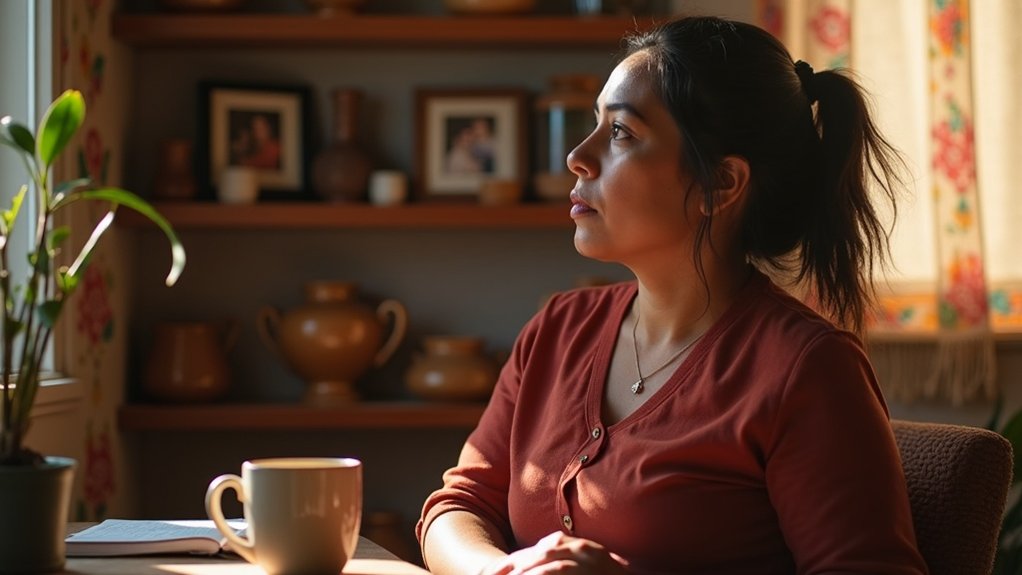
As you make therapy and self-care part of everyday life, who you speak with—and in what language—shapes how safe and understood you feel. When a provider speaks your language, you don’t have to translate feelings or edit your story. You can name grief, orgullo, or coraje without losing meaning. Culturally competent care goes beyond vocabulary; it respects family dynamics, migration stories, code-switching, and values like respeto and personalismo.
Ask potential therapists about language fluency, training with Latino clients, and approaches to acculturation stress. Use directories that filter by Spanish or bilingual services, and confirm whether sessions can move between languages. If cost or location is a barrier, explore sliding-scale clinics and telehealth. You deserve care that meets you where you are—and how you speak.
Community, Faith, and Collective Healing Spaces
Where do you feel held beyond one-on-one therapy? You might find it in familia gatherings, church groups, círculos, or neighborhood events that honor ancestry and shared stories. Community spaces remind you that healing isn’t a solo task; it’s a web. Faith traditions can offer rhythm—prayer, music, candles, comida—that grounds grief and celebrates resilience. Collective spaces help you name emotions, witness others’ journeys, and rebuild trust after isolation.

Consider anchoring your week with intentional touchpoints:
- Join a círculo or plática where you can speak and listen without judgment.
- Attend a faith service or devotional hour that aligns with your values.
- Volunteer at a mutual aid effort to practice solidarity and agency.
- Visit a cultural center to reconnect with language, art, and ritual.
Choose what sustains your spirit and honors your roots.
Tech Meets Tradition: Apps, Teletherapy, and Digital Tools
How do you weave smartphones and ancestral wisdom into one healing practice? You start by treating tech as a bridge, not a replacement. Choose apps that support bilingual journaling, mood tracking, or guided reflections rooted in cultural values like familismo and respeto. Set notifications for brief check-ins with yourself or a trusted elder.
Teletherapy expands access when schedules, distance, or stigma get in the way. You can request a culturally responsive therapist, ask about sliding-scale fees, and use secure platforms that protect your privacy. Pair sessions with digital community: moderated group chats, virtual pláticas, or church-led livestreams.
Before adopting any tool, ask: Does it honor my story? Is my data safe? Can my family participate? Let tech amplify tradition, not silence it.
Practices for Resilience: Mindfulness, Movement, and Joy


Sometimes resilience begins in the smallest moments: one deep breath, one stretch, one shared laugh. You can anchor your day with brief practices that respect your pace and culture. Start by noticing your breath; let your exhale be longer than your inhale to settle your nervous system. Move in ways that feel familiar—cumbia steps in the kitchen, a short walk with sun on your face, or gentle stretches before bed. Joy counts as medicine: text a cousin, play a favorite canción, savor cafecito without rushing.
- Breathe: 4-6 pattern, five rounds
- Move: 10 minutes of dance, walk, or stretches
- Connect: one message, one call, or shared meme
- Reflect: write three gratitudes
Repeat daily, adjust weekly, and trust small actions to rebuild strength.
Frequently Asked Questions
How Do Immigration Policies Indirectly Impact Daily Mental Health Routines?
They shape your stress levels, time, and safety. You monitor news, adjust routines, avoid certain places, limit social media, budget for fees, support family, lose sleep, skip appointments, and change coping practices, which strains consistency and resilience.
What Role Do Workplace Biases Play in Latino Burnout?
They’re the steady headwind that frays your wings. You face extra scrutiny, fewer ladders, and cultural taxation. Microaggressions pile like pebbles in your shoes, disrupting focus, draining confidence, stretching hours, and turning resilience into exhaustion despite strong performance.
How Can Financial Stress Uniquely Shape Latino Coping Behaviors?
Financial stress shapes your coping by prioritizing family obligations, embracing side hustles, and delaying self-care. You lean on remittances, mutual aid, and cash-based budgeting, while stigma and access barriers push you toward informal advice, faith, and community support over professional help.
Are There Culturally Safe Crisis Plans for Undocumented Individuals?

Yes—build a culturally safe crisis plan. Start with trust like a lighthouse in fog: identify safe contacts, code words, immigration-friendly resources, know-your-rights cards, emergency transportation, cash-only clinics, language access, confidentiality, and backup housing. Review regularly; rehearse steps.
How Do Colorism and Anti-Blackness Affect Latino Mental Wellness?
Colorism and anti-Blackness harm Latino mental wellness by fueling internalized bias, exclusion, and identity conflict. You may experience anxiety, shame, and isolation. You counter this by embracing Afro-Latinidad histories, challenging family narratives, building inclusive communities, and seeking culturally affirming care.
Read The Next Blog Post –
You’ve gathered recipes, rituals, and real talk—yet the strongest medicine still waits. You’ll feel it when you light the candle, name the feeling, call the comadre, book the session, switch languages mid-sentence, and it still makes sense. You’ll feel it when faith meets therapy, when movement becomes memory, when joy organizes pain. Keep listening. Keep choosing you. Because the moment you reach for help—culturally, proudly, consistently—something shifts. And when it shifts, you don’t just cope… you belong.