



You might not know the word hogar can mean both house and hearth, a stubborn flame that survives wind. I’m asking you to build that flame in cash—quiet, small, ready for layoffs, clinics, or a muffler’s last breath. I won’t promise miracles, only steps that fit paychecks that zigzag and seasons that forget us. I’ll show targets, places to store it, and ways to start with almost nothing—so your fire doesn’t bow when the storm calls your name.
Main Points
- Define your emergency fund as protection for housing, health, and time; name it (e.g., “Fondo de Emergencia/Hogar”) to reinforce purpose and discipline.
- Set targets by income: hourly aim for 8–12 weeks; seasonal save 60–80% per off-season month; self-employed build 6–9 months.
- Automate tiny deposits and capture windfalls: $2 after shifts, $5 on payday, 10% of tips/refunds, 30% of overtime into the fund.
- Keep cash in FDIC/NCUA-insured high-yield savings or a credit union; label accounts clearly and separate from daily spending.
- Review monthly, lean on familia for shared costs, avoid high-interest debt, and use community lending circles if borrowing is necessary.
Why an Emergency Fund Matters for Latino Workers

How do we steady our lives when the earth shifts under our feet? I picture an emergency fund as a small, stubborn altar: cash set aside, glowing like a votive against layoffs, medical bills, and the sudden silence of a broken car. In our communities, where we carry elders, children, and dreams across languages, that cushion isn’t a luxury; it’s agency.
I’ve learned money listens when we name it. I tell each dollar its task: guard housing, shield health, protect time. With a buffer, I negotiate from strength, refuse predatory debt, and choose work that honors my body and mind. This fund becomes a spell against panic, a boundary against exploitation, and a quiet mentor. You and I deserve resilience crafted, not begged.
How Much to Save: Targets for Hourly, Seasonal, and Self‑Employed Income
Sometimes the math feels like weather, shifting with our shifts. I read the clouds of cash flow and translate them into targets you can hold. Start with essentials: rent, food, transport, meds. I protect your pay with thresholds, not wishes, because resilience is a craft we inherit and refine.
1) Hourly worker: I save one week of essential expenses for every 30 hours I work, until I reach 8–12 weeks. Overtime? I skim 30% into the fund, like catching rain.

2) Seasonal worker: I total my off‑season months and save 60–80% of one month’s essentials for each. I stash windfalls whole.
3) Self‑employed: I carve out 20–30% of revenue for taxes, then save 15–25% of net profit until I hold 6–9 months.
Where to Keep Your Cash: Safe, Accessible, and Bilingual-Friendly Options
Where do we let this emergency money rest so it stays nimble, safe, and ours in two tongues? I choose places with FDIC or NCUA insurance, because I honor certainty. A high-yield savings account, bilingual app and statements included, lets our dollars breathe yet stand ready within one business day. A credit union—raíz y comunidad—offers human clerks who greet us in Spanish and English, low fees, and shared branching for quick access.
I keep a small buffer in a separate checking account for instant debit use, but never where daily spending can nibble it. I avoid cash under mattresses; it doesn’t grow and can vanish. I label accounts “Fondo de Emergencia/ Emergency Fund,” so the money remembers its mission—and I remember mine.
Simple Ways to Start Saving When Money Is Tight
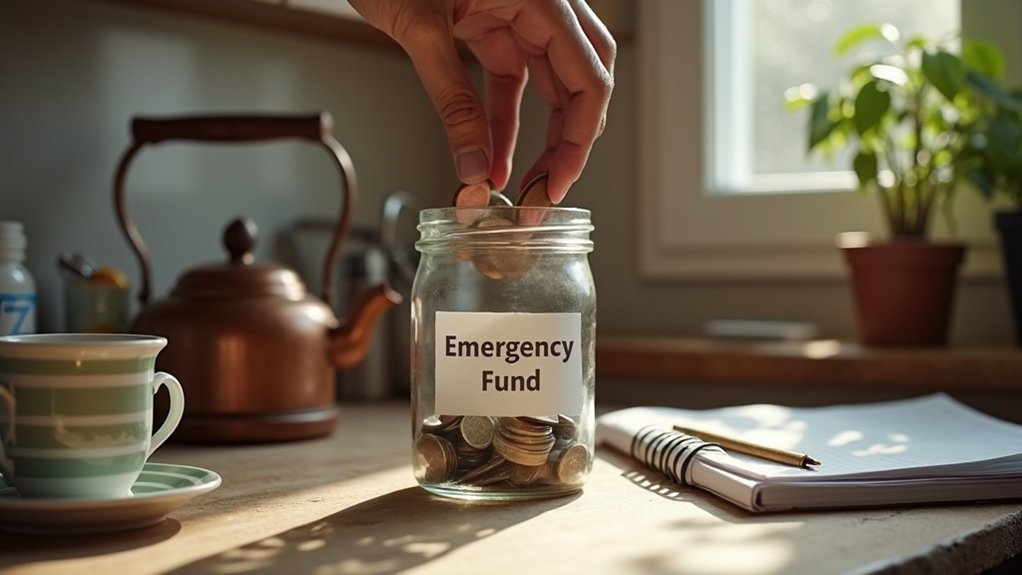
Why not begin with a coin and a promise? I open my palm, and the smallest peso of my memory becomes a seed. You and I know tight weeks stretch like dusk, but discipline is a lantern. I choose beginnings that don’t bruise the budget, rituals that honor our labor and our lineage while building power quietly.

1) Name your goal: “First $100,” then “first $300.” I write it, date it, and track every whisper of progress.
2) Automate tiny transfers—$2 after each shift, $5 on payday. Small, steady moves outrun grand intentions.
3) Capture windfalls: tips, refunds, or overtime crumbs. I skim 10% before the rest scatters.
I practice consent with my money. I decide, I direct, I grow. The fund answers by breathing with me.
Staying Consistent: Cultural Values, Family Support, and Debt-Avoidance Strategies
How do I keep the flame steady when life gusts? I return to my mother’s ledger—ink like riverwater, margins guarded by saints. I name my emergency fund “hogar” so it answers when I call. Each payday, I tithe to future-me first, an automatic draft that moves like moonlight—quiet, unfailing.

I lean on familia as strategy, not superstition. We rotate groceries, share rides, swap childcare; reciprocity lowers costs and lifts dignity. I post my rule on the fridge: no high-interest debt, ever. If I must borrow, I choose community circles before cards, negotiate payment plans, and freeze impulse with a 48-hour pause.
Consistency isn’t punishment; it’s ritual. I track, review, recalibrate monthly. When life roars, my plan doesn’t flinch. The flame learns my breath.
Frequently Asked Questions
What Legal Status Concerns Affect Opening Savings Accounts for Undocumented Workers?
Banks usually accept ITINs, but policies vary; I’d counsel you on ID requirements, KYC checks, and local “don’t ask” practices, while warning about mismatched names, consular IDs, and privacy risks that shadow you like quiet, watchful moons.
How Do Remittances to Family Abroad Impact Emergency Fund Planning?
They tighten cash flow, so I prioritize fixed remittance “tithes,” then automate smaller, frequent emergency deposits. What if scarcity becomes choreography? I map seasons, renegotiate amounts, and protect a three-tier buffer—daily breath, monthly armor, storm-year sanctuary.
Are Community-Based Lending Circles Compatible With an Emergency Fund?
Yes—they complement it. I weave lending circles as communal safety nets while I cultivate my personal buffer. I diversify risk, codify rules, track contributions, and prioritize liquidity. Sisterhood fortifies resilience; my emergency fund remains sovereign, swift, and disciplined.
What Tax Refunds or Credits Can Jump-Start an Emergency Fund?

Claim your tax refunds—EITC, CTC/ACTC, Saver’s Credit, and any state credits—like moons filling a night jar. I’d earmark them instantly: automate split refunds, fund high-yield savings, adjust withholding, and treat windfalls as sovereign, feminist capital.
How Do Fluctuating Healthcare Costs Influence Emergency Fund Size?
They push me to save more—three to six months becomes six to nine if deductibles, premiums, and co-pays swing wildly. I map worst-case out-of-pocket limits, add chronic care buffers, and honor my body’s sovereignty with cash-ready, storm-proof reserves.
Read The Next Blog Post –
I picture our emergency fund like a small clay casa glowing on the stove—warm, stubborn, unbreakable. We set targets, name the jars, and let each deposit ring like a spoon against the pot. When layoffs howl or tires hiss, we open that door and light answers. I claim my numbers without apology, automate my care, and ask familia to stand beside me. This is mujer magic—practical, tender, fierce—turning pesos into a shield, and tomorrow into a room of our own.
#EmergencyFund #LatinoFinance #SavingTips #FinancialSecurity #PureLatinoContent


