



I walk you through this like family, one careful step at a time. I pull my three credit reports, tame errors like stubborn spirits, and save a cushion that hushes midnight worries. I gather a bilingual team who speaks both numbers and heart, comparing loans like mirrors in bright sun. Neighborhoods whisper stories; I listen with a buyer’s compass. When the right door appears, I knock—soft, sure—ready to ask the question that changes everything.
Main Points
- Check your credit reports, fix errors, keep card balances under 10%, and build 3–6 months of emergency savings before shopping.
- Explore down payment assistance: HUD/state grants, municipal programs, SPCPs, ITIN-friendly lenders, and options that pair closing-cost credits or loan forgiveness.
- Assemble a trusted bilingual team: agent, lender, inspector, and real estate attorney with clear roles, timelines, fees, and transparent communication.
- Compare loans and homes smartly: get three same-day quotes, weigh APR/points/total cost, and assess taxes, HOA, insurance, and maintenance risks.
- Make a data-backed offer with key contingencies, negotiate repairs or credits, and verify disclosures, title, insurance, and wire instructions before closing.
Assess Your Financial Readiness and Credit Profile
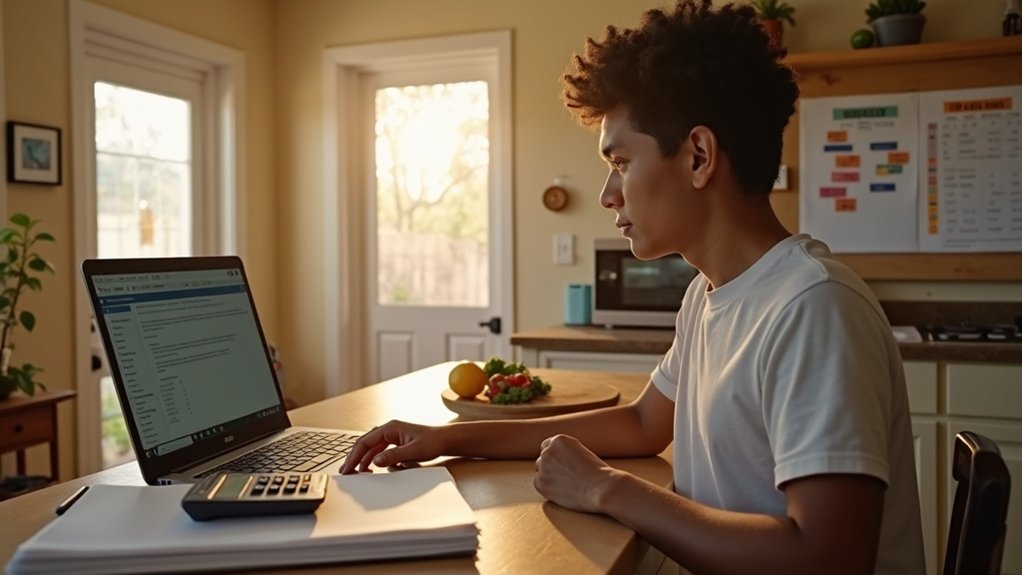
How do I know if I’m truly ready to open a door with my name on the deed? I sit with my numbers like elders at a kitchen table. I list income streams, then subtract fixed costs—rent, food, transit, insurance—until a sober surplus remains. I stress-test it: add a phantom mortgage, taxes, insurance, utilities, maintenance. If my budget breathes, I proceed.
I pull my credit reports, all three, and read them like constellations. I dispute errors, pay revolving balances beneath 10%, and set autopay to avoid late shadows. I track credit mix, age, and inquiries, timing moves to protect my score’s ascent. I build reserves—three to six months of expenses—so surprises don’t swallow momentum. When discipline hums louder than longing, I’m ready.
Explore Down Payment Assistance and Latino-Friendly Programs
Where do hidden keys wait for my palms? In grants that don’t demand repayment, in state-backed programs that match my savings, in municipal funds that whisper, “Come home.” I map options with precision: HUD’s directory of local assistance, state housing finance agencies, and nonprofit initiatives serving Latino borrowers. I check income and location caps, required classes, and occupancy rules. Some programs pair down payment aid with closing-cost credits; others forgive loans after steady years of ownership.
I lean into culturally attuned pathways: Special Purpose Credit Programs designed to narrow gaps, lender credits for ITIN borrowers, and community land trusts that lower entry costs. I verify sources, compare tiers, and stack benefits legally. Paperwork becomes ritual—pay stubs, tax returns, residency proofs—so the door recognizes me.
Build a Trusted Bilingual Homebuying Team

Sometimes I think the house hears accents before footsteps, so I gather a team that speaks to it—and to me—in two tongues. I want translators of law and luck: a bilingual agent who reads contracts like constellations, a lender who explains terms without fog, an inspector who names what the walls whisper, and a real estate attorney who defends my boundaries like a quiet saint.
I interview them in both languages. I ask for licenses, client references, fiduciary duty, and a transparent fee path. I look for cultural fluency—how they honor abuela’s questions and my spreadsheets alike. We set roles, timelines, and nonnegotiables in writing. When doubts rise, we pause, clarify, and document. With this circle, I hold power, not just hope.
Shop Smart: Comparing Loans, Homes, and Neighborhoods

Why do some streets hum my name while others stay silent? I listen. I walk at dawn, counting bus stops like prayer beads, tasting the air for safety, schools, small businesses that greet me by scent and sound. My compass is data and corazón. I compare loans first: APR over rate, total cost over monthly tease, points versus time horizon, fixed when I crave certainty, adjustable only with a mapped exit. I request three quotes the same day, identical terms, then pit them against each other.
Homes speak in maintenance—roof age, plumbing bones, insulation whisper. I translate taxes, HOA bylaws, insurance risks, flood lines. I pace neighborhoods at night and noon. Commute, healthcare, broadband, parks—nonnegotiables. I build a matrix, then listen again: does this place choose us?
Make the Offer, Negotiate, and Close With Confidence
How does a signature turn into shelter? I breathe, align numbers with nerves, and draft an offer that honors value and budget. I anchor price to comps, include an earnest deposit that says, “I’m real,” and set contingencies—inspection, appraisal, financing—as guardians, not excuses.

When the counter arrives, I negotiate like a violinist: firm on melody, flexible on tempo. I trade closing costs for a quicker timeline, repairs for a credit, silence for strategic pauses. I let the house speak—roof age, permit history, days on market—and translate its truths into terms.
In escrow, I verify everything: disclosures, title, insurance, wire instructions. At signing, I read every page; initials become footsteps across a threshold. The keys aren’t metal; they’re permission to belong.
Frequently Asked Questions
How Can I Protect My Home if I’M Undocumented but My Spouse Is a Citizen?
You can protect it by holding title as tenants by the entirety, recording a homestead, drafting a will and living trust, and securing power of attorney. I’d consult an immigration-savvy real estate attorney to weave protections.
What Cultural or Multigenerational Living Needs Should I Plan for in Floorplans?
Plan for flexible suites, a first-floor bedroom, generous kitchen, dual living areas, and outdoor courtyards. I weave privacy with proximity—soundproofing, wider halls, accessible baths, storage altars—so elders, children, and returning kin can belong without vanishing your solitude.
How Do I Avoid Real Estate Scams Targeting Spanish-Speaking Buyers?
Verify licenses, demand written contracts in English and Spanish, never wire to personal accounts, confirm titles with county records, and use HUD-approved counselors. I trust referrals, cross-check agents, record calls, and walk away when pressure smells wrong.
What Insurance Coverage Should First-Time Homeowners Prioritize Beyond Basics?

Prioritize liability, sewer backup, extended replacement cost, ordinance or law, umbrella, and flood. I shield, I foresee, I prevent; I name risks like constellations, then bind them, so your foundation breathes, your equity sings, your future endures.
How Can I Build Community Connections and Safety After Moving In?
I join neighborhood groups, meet block captains, and host a porch cafecito. I learn names, swap numbers, walk nightly, map resources, uplift elders. I volunteer, share skills, and weave mutual-aid threads until safety hums like a trusted lullaby.
Read The Next Blog Post –
So here I am, a spreadsheet in one hand and my abuela’s rosary in the other, laughing at how “home” needs pay stubs to believe in me. I pulled my credit like tarot, saved like a squirrel, argued with numbers until they softened. A bilingual crew, three quotes, a map of neighborhoods stitched like a quilt. I sign, and the house inhales. Keys warm in my palm. Funny—after all that proof, the door still opens with a whisper: bienvenido.
#LatinoHomebuyers #FirstHome #RealEstateTips #FinancialFreedom #PureLatinoContent


