



Like Odysseus listening for sirens, I keep an ear out for promises that glitter too brightly. You and I know the pitch: “instant approval,” “no credit checks,” “sign today.” I’ve seen neighbors trapped by fees that multiply like shadows at dusk, contracts that twist when translated, interest that never sleeps. I want to show you where the snares hide, and the quiet paths that lead out—if you’ll walk with me to the next door.
Main Points
- Watch for payday, auto-title, refund-anticipation, rent-to-own, and subprime installment loans that hide sky-high costs and trap borrowers in cycles.
- Reject offers with rushed deadlines, vague “variable” terms, prepayment penalties, or forced add‑ons like insurance and club fees.
- Compare total cost: use APR plus all fees; for same term and amount, the lower APR usually wins.
- Exercise your rights: demand clear terms, translations, and copies; report abuses to the CFPB and seek legal aid or HUD-approved counselors.
- Choose safer options: credit unions, community lenders, or secured cards; automate payments and build credit gradually with transparent, fair-rate products.
Common Predatory Loan Types Targeting Latino Communities

How do certain loans slip in like friendly neighbors, only to lock the door behind you? I’ve watched them arrive with bright flyers and soft promises, speaking Spanish like a lullaby: payday advances that gulp tomorrow’s pay, auto-title loans that tie your keys to a shrinking timeline, refund-anticipation loans that siphon tax joy before it blooms. Rent-to-own couches masquerade as credit ladders; they charge triple for comfort. Subprime installment loans stack fees like invisible bricks, building a wall around your cash flow.
I see how emergencies become portals. A broken transmission, a medical bill—then comes a smile, a stamp, a signature. The money feels warm, but the heat belongs to someone else. I want you sovereign: cash-flow wary, term-savvy, compounding-conscious, community-anchored.
Red Flags in Loan Offers and Contracts
Sometimes the paper itself whispers warnings. I press my palm to the page and feel heat: promises too shiny, timelines too rushed. If a lender pushes me to sign today, I hear the clock lying. When the interest hides behind vague phrases—variable, discretionary, subject to change—I pause. Prepayment penalties slither in margins; they punish success. Forced add-ons—insurance I didn’t seek, club fees, mystery “processing”—betray a hungry contract.
I study arbitration clauses that steal my right to a public remedy, jury, or class action. I mark cross-collateral language that risks my car or tools for a tiny loan. Blank spaces? I refuse them. Missing translations or contradictory versions? I walk. If a promise isn’t in writing, it doesn’t exist.
How to Compare APR, Fees, and Total Cost Safely

Why does the same dollar feel heavier in one lender’s hand than another’s? I weigh it by APR, fees, and time. APR is the metronome—interest plus mandatory charges expressed yearly—so I compare identical loan amounts and terms, apples to apples. Then I hunt fees hiding in shadows: origination, underwriting, prepayment, late, monthly service. I calculate total cost: principal + total interest + every fee, not just the payment.
I sketch scenarios. If two loans share term and amount, the lower APR wins—unless fees bloat the sum. I annualize anything billed monthly. I test prepayment: if I plan to pay early, I model savings and subtract penalties. Finally, I compute cost per borrowed $100. When numbers align, the dollar floats light, truth revealed.
Your Rights and Where to Get Trusted Help
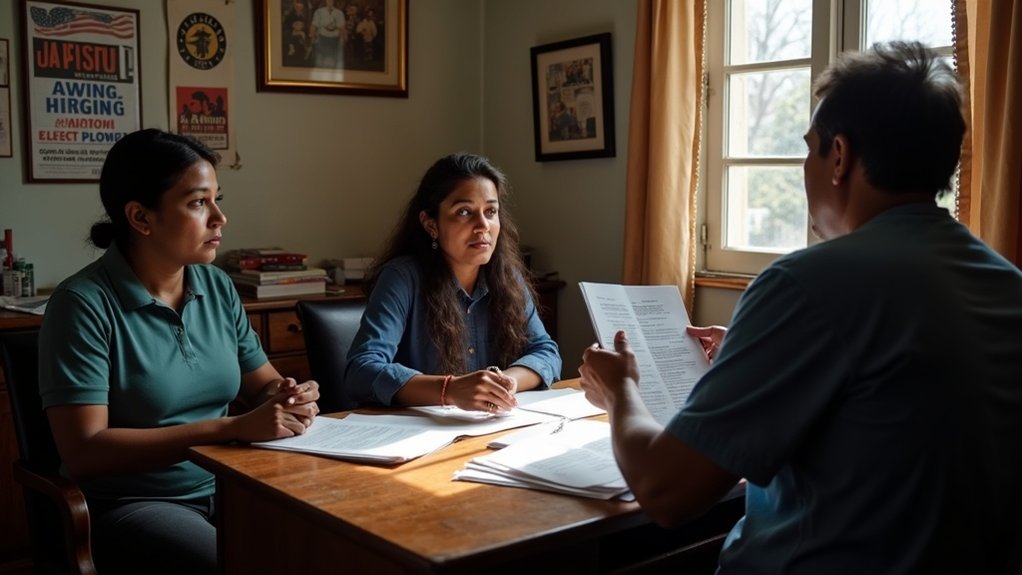
Where do I turn when the numbers blur and the contract hums like a spell I can’t decipher? I pause, breathe, and remember: I have rights. Truth-in-Lending demands clear terms; fair lending laws forbid discrimination by race, language, or origin. If a lender rushes me, hides fees, or threatens me, I can walk away—and report them.
I keep a small constellation of guardians. The CFPB takes complaints in English or Spanish. Legal aid clinics and bar associations offer counsel when clauses snarl. HUD-approved housing counselors read fine print like stargazers. Community organizations—NALEO, UnidosUS—stand at the crossroads with guides and workshops. I document everything: emails, calls, receipts. I ask for translations, copies, time. My signature is a door; it opens only when I hold the key.
Safer Alternatives and Steps to Build Long-Term Credit
I carry those rights like lanterns, and with their light I choose gentler roads: credit unions that know my name, secured credit cards that grow from a small deposit, community lenders whose terms fit like a well-sewn coat.

I start small, automate payments, and keep utilization under 10%, letting time braid a sturdy credit history. I ask for fair-rate personal loans tied to transparent fees, then pay early, trimming interest like excess thread. I set alerts, dispute errors, and freeze my credit when storms threaten.
I build proof: steady income, bank statements, a budget that breathes yet holds its shape. I diversify—installment and revolving—like two oars pulling the same boat. Each month, I practice patience, not magic: measurable habits, verifiable progress, dignity compounding quietly.
Frequently Asked Questions
How Can Language Barriers Affect Loan Negotiations and Understanding?
Language barriers veil terms, twist rates, and mute my questions, so negotiators gain leverage. I slow time, summon translators, demand written clarity, compare disclosures, and rephrase clauses aloud—turning ambiguity into anchors, so you and I bargain with precision, not hope.
What Cultural Practices Increase Vulnerability to Predatory Lenders?
Familial trust, cash-based habits, and deference to authority can widen cracks predators slip through. I urge you: verify licenses, demand written terms, question “promesas.” Honor community ties, yet guard them—build credit history, seek bilingual counsel, and compare offers rigorously.
How Do Immigration Status Concerns Influence Borrowing Decisions?
Roughly 45% of undocumented adults avoid banks; I feel that weight shape choices. Fear of IDs, data trails, and verification nudges me toward cash, remittances, or shadow loans—swift, glittering traps whispering safety, taxing futures for today’s quiet.
What Digital Scams Target Latinos Seeking Quick Loans Online?

Phantom lenders, fee-front scams, spoofed microloans, WhatsApp “ayuda rápida,” social media advance-fee traps, impersonated banks, payday-clone apps, and phishing portals target you. I urge vigilance: verify licenses, read terms, refuse upfront payments, guard IDs, and trust scarcity doesn’t demand haste.
How Can Community Organizations Vet Local Lenders for Safety?
I vet lenders like lanterns along a foggy pier: verify state licensing, audit transparent APRs, read contracts aloud, consult CFPB complaints, interview clients, require bilingual disclosures, demand no junk fees, and formalize partnerships with measurable, community-first accountability benchmarks.
Read The Next Blog Post –
I’ve walked these glittering traps so you don’t have to. When a lender promises the moon, I picture a paper lantern swelling to the size of a planet—beautiful, hollow, and burning. Read the fine print, slow the rush, count every fee as if it were a footstep home. Ask questions. Compare APRs. Choose credit unions, secured cards, small transparent loans. You deserve dignity, not debt. Together, we’ll build credit like dawn builds light—patient, steady, unstoppable.
#SmartMoneyMoves #LatinoFinance #AvoidDebt #FinancialAwareness #PureLatinoContent


