



I want to talk to you about the quiet rooms where sadness speaks Spanish but gets answered in English. I’ve watched how familismo keeps us close, yet keeps our mouths shut; how respeto nods us past the pain. Clinics feel far, costs bite, and accents get misread as symptoms. Papers, fears, and long waitlists braid into a heavy rope. Still, I’ve seen doors open, softly, when the right knock is learned—and that’s where I’ll begin.
Main Points
- Stigma, familismo, and respeto can silence emotional pain, discouraging open discussion and help‑seeking for depression.
- Language barriers and few bilingual clinicians distort symptom reporting, causing misdiagnosis and ineffective treatment.
- Economic and immigration pressures—copays, lost wages, childcare, documentation fears—block consistent access to care.
- Atypical presentations (nervios, susto, somatic complaints) are often missed by standard screenings, leading to under-treatment.
- Community-driven solutions and policies—promotoras, telehealth, Medicaid parity, and loan forgiveness—expand culturally competent, affordable depression care.
Stigma, Cultural Values, and the Silence Around Mental Health

Although we don’t speak of it aloud, stigma moves through our homes like a quiet draft, lifting curtains and lowering eyes. I’ve felt it settle on the table between us, a hush that insists pain be folded into napkins and carried to the sink. We call it fortaleza, respeto, familismo—virtues that, when rigid, turn feelings into contraband. I learned to armor sadness with jokes, to bless insomnia as diligence, to label panic a stubborn heart. You know this choreography: nod, smile, endure. Yet silence breeds shadows that overgrow the garden. Mastery, here, means naming what the house refuses to host. I practice saying depression without flinching, grief without apology, help without shame. When I do, doors unlatch. The draft changes direction. Even small, shared rituals—like a dawn text of “ten squats, two breaths, one promise” to build community accountability—can gently counter the hush and open space for care.
Language Barriers and the Shortage of Bilingual, Culturally Competent Care
Silence isn’t the only door that sticks; words can, too. In clinics, I’ve watched Spanish turn to smoke—beautiful, precise, then gone at the threshold of care. Without bilingual clinicians, symptoms warp in translation: tristeza becomes “low mood,” nervios becomes noise. You and I know language is a diagnostic instrument; if it’s dulled, the exam falters, the treatment misfires.
I seek providers who carry two tongues and one compass. Cultural competence isn’t a workshop; it’s apprenticeship to community rhythms—abuelita metaphors, church timbres, grief that prays and jokes at once. When clinicians miss these cadences, patients disappear into polite nods and untreated nights. We need pipelines that train, pay, and retain bilingual, bicultural clinicians—and clinical spaces where our lexicon, and our silence, both count as data.
Seek bilingual providers who honor family roles, spirituality, and colonial wound healing and verify fluency that translates nuance without pathologizing.
Economic and Immigration-Related Obstacles to Accessing Services

Two invisible prices guard the clinic door: money and papers. I’ve felt both weigh like pocket stones that sink the will. Copays sprout teeth. Lost wages sharpen them. A bus transfer becomes a toll, childcare another. Insurance, if it exists, hides deductibles like thorns under petals. I count hours, you count dollars, and the clock bites both.
Then the papers—IDs that whisper status, forms that ask what the heart cannot answer without risk. Fear patrols the waiting room. I watch neighbors vanish at the rumor of verification, benefits turned to mirage. We learn to self-triage, to nurse wounds in silence, to barter prayer for rest.
Mastery here means systems literacy: sliding scales, charity pools, flexible clinics, legal aid. We map escape routes—and still seek doorways. Consider practical lifelines like sliding-scale clinics, telehealth options, and transportation help to lower costs and fear-driven barriers.
Atypical Symptoms, Misdiagnosis, and Gaps in Screening
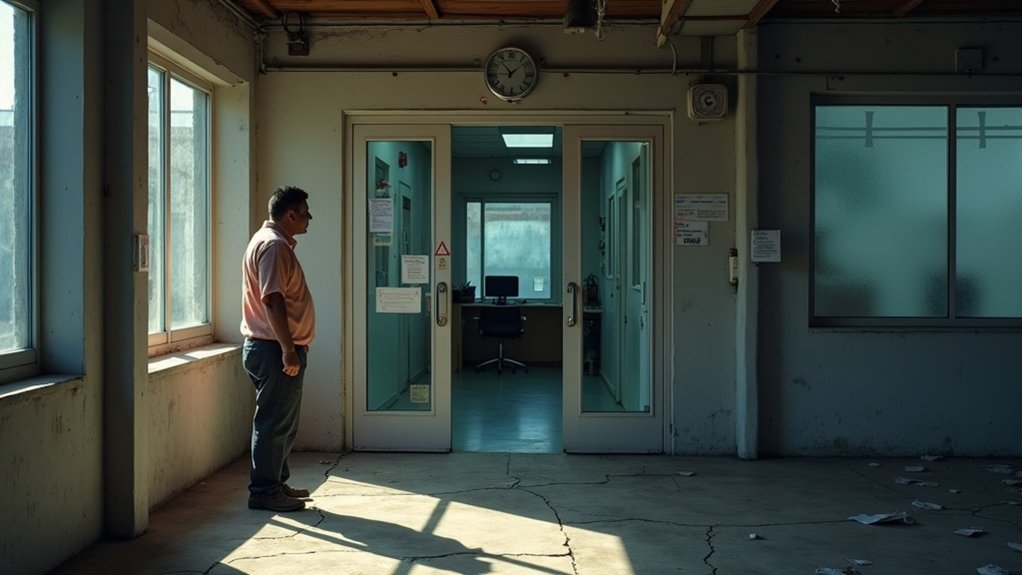
Misdiagnosis grows where language and culture are trimmed from the history. When I say nervios, susto, or heavy blood, some clinicians hear noise, not nuance. They don’t ask about grief migrating to the abdomen or joy that tastes like metal. Without culturally attuned assessment, we mislabel storms—and let them rage uncharted. Integrating bilingual screening and referrals to community programs that teach financial literacy and reduce stress can support more accurate depression care and follow-through.
Community-Driven Solutions and Policy Changes to Close the Care Gap
How do we mend a care map that keeps erasing our streets? I start by sketching routes with neighbors: promotoras trained in culturally grounded screening, clinics open at night, telehealth that respects prepaid phones and privacy. I press policymakers to anchor funds where we live—Medicaid parity for bilingual therapy, loan forgiveness for clinicians who treat in Spanish, reimbursement for group care and peer support. By integrating bilingual onboarding and transparent pricing into community clinics and telehealth, we reduce confusion, build trust, and close access gaps for Spanish-preferring families. I ask you to join me in rewriting forms that misread our grief. We can require language access standards, collect disaggregated data, and mandate screening in community hubs—churches, mercados, barberías. I want schools to weave evidence-based mental health into curricula, and employers to shield time for treatment. Together, we legalize belonging: care as a public utility, stigma taxed into silence.
Frequently Asked Questions
How Can Employers Support Latino Employees’ Mental Health Confidentially?

Offer anonymous EAPs, bilingual therapists, flexible schedules, and private telehealth rooms. I promise confidentiality in policies, supervisor training, and data firewalls. I’ll whisper resources in paystubs, pulse surveys, and ERGs—sanctuaries where spirits rest and brilliance returns, unburdened.
What Role Do Faith Leaders Play in Early Depression Identification?
Faith leaders anchor early identification by noticing subtle shifts and inviting conversation. I picture María lingering after Mass; I ask gentle, specific questions, normalize help, offer screening referrals, and coordinate discreetly with clinicians, honoring culture, privacy, and sustained follow‑up.
Which Digital Tools Offer Private, Culturally Relevant Self-Screening?
You’ll find MindShift CBT, MindDoc, and Sanvello offer private self-screening; I also trust PHQ-9 via Ada or Doctorly, and Therapy for Latinx’s resources. I walk you there gently, where language bends, culture breathes, and insight glows.
How Can Schools Partner With Families to Monitor Teen Depression?
Schools partner with families through consented check-ins, shared mood trackers, culturally attuned workshops, and rapid referral loops. I’d weave confidential screening, bilingual updates, and student-led circles—quiet lighthouses—so you and I notice shifts early and act before shadows root.
What Data Protects Patient Privacy in Mixed-Status Households?
HIPAA-protected health data, de-identified datasets, limited datasets under DUAs, minimum-necessary disclosures, and anonymized aggregate reports safeguard privacy. I’d counsel you to segregate identifiers, restrict metadata, encrypt at rest/in transit, and rigorously audit access—so mixed-status families remain unseen yet fully served.
Read The Next Blog Post –

I keep thinking of Marisol, who whispered “cansancio del alma” and was handed sleep meds. She stopped showing up, swallowed by silence and copays. I’m telling you: we can loosen shame’s grip, translate pain without losing its soul, and bring care to kitchens, churches, and union halls. Let’s fund bilingual therapists, protect families, and screen where life happens. If we listen closely, even the heaviest grief grows wings—and together, we can teach it to land safely.


