


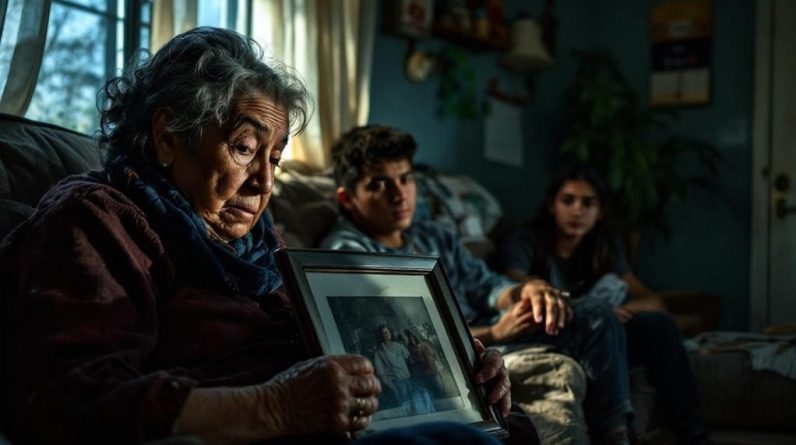
I carry stories in my breath—my grandmother’s hush, my father’s sleepless pacing—and they shape how I scan rooms, swallow worry, switch tongues. Stress teaches the body to jump before it asks why, and sometimes we mistake survival for character. In our homes, silence wears the mask of strength, while faith, food, and music keep a lamp lit. If you’ve ever felt old fear in a young heartbeat, you already know where this is going…
Main Points
- Generational trauma in Latino families travels through stories, silence, and migration, shaping identity, coping styles, and everyday language.
- Chronic stress alters brain and body systems—cortisol rhythms, amygdala reactivity, sleep, breath, and muscle tension—raising anxiety and depression risk.
- Acculturation pressures and discrimination add a hidden tax on belonging, while mental health struggles are often minimized or silenced.
- Cultural strengths—family networks, faith, language, music, and ritual—buffer stress and promote resilience and meaning.
- Healing requires naming wounds, culturally responsive bilingual care, boundary-setting, and nervous system practices like paced breathing and grounding rituals.
Understanding Intergenerational Trauma in Latino Communities

How does pain learn to speak our language across generations? I hear it in the lullabies my mother hummed, vowels softened by exile, consonants edged by caution. In our kitchens, grief folds into masa, rises as memory. I trace the lineage: displacement, silence, survival—stories packed into suitcases and ribcages. Trauma doesn’t vanish; it shapeshifts, borrowing our idioms, wearing our faces.
I name it to unspell it. I ask you to listen for the small tremors: a flinch at celebration, a careful laugh, a calendar organized around avoidance. We inherit not just stories, but scripts—roles rehearsed in whispers. Mastery begins with discernment: distinguishing legacy from destiny. I choose to revise the script, to stitch fierce tenderness into it, and to teach my nervous system new grammar of belonging. And as we heal, building financial literacy—from tracking cash flow and protecting credit to using community programs—can reduce stress and expand options for education, housing, and long-term security.
How Stress Shapes the Brain, Body, and Behavior Across Generations
Sometimes, stress moves like a quiet river under skin, carving new banks in the brain and teaching the body which storms to expect. I’ve felt how cortisol marks time, tuning the amygdala to hear thunder in whispers while shrinking the hippocampal garden where memory should bloom. The heart learns to beat like a lookout drum; muscles guard as if bone were a border. Breath shortens. Sleep thins. I notice habits form: vigilance masquerading as wisdom, a startle reflex passed down like a surname.
Yet neuroplasticity offers counterspells. When I pace breath, name sensations, and anchor attention, synapses reweave. The vagus hums, inflammation cools, executive function steadies. I inherit alarms, yes—but I can recalibrate the clock, repair the riverbanks, and teach my body a weather new to our lineage.

Treat duration as data: if heaviness, sleep shifts, or chest tightness linger beyond two weeks, seek support with culturally responsive care that honors language, family roles, and immigration experiences.
Acculturation, Discrimination, and the Silence Around Mental Health
Where do I place my tongue when one language tastes like home and the other promises doors? I live between syllables, polishing myself to fit a grammar that doesn’t remember my grandmother’s prayers. Acculturation isn’t a staircase; it’s a braid—pull too hard and something tears. Discrimination arrives like weather: sudden, bone-cooling, ordinary. I watch it warp posture, budgets, dreams, the way iron bends under quiet heat.
Silence about mental health grows in that heat. I learned to swallow panic like a hard seed, to call insomnia “discipline,” grief “gratitude.” You’ve heard the counsel: be twice as good, half as loud. But the math extracts interest from sleep and blood. I name it here: the hidden tax on belonging, the toll that makes every doorway narrower. And in the quiet between breaths, remember that tending the mind includes simple tools like grounding techniques during stress or panic to steady the nervous system and protect well-being.
Cultural Strengths That Protect and Promote Healing

When the world feels salt-stung, I return to the circle—la familia passing stories like warm tortillas, each one a soft shield. In that heat, I remember: belonging is a medicine older than our names. Our language—its rolled r’s, its quiet prayers—braids breath with memory, keeps the nervous system from forgetting joy. Faith, not as dogma but as candlelight, steadies my pulse; a saint’s card in the wallet becomes a portable horizon.
I trust the wisdom in abuela’s remedies and the science that now validates them—rituals regulate, rhythms repair. Music and dance stitch ruptures the way a skilled hand closes a wound. Humor, too, is architecture; it builds a bridge over shame. And dignity—la dignidad—anchors me, reminding you and me we’re worthy of restoration. And when we move together—turning chores into choreography, timing breath to rhythm, and choosing community accountability as our compass—our bodies and bonds practice recovery in real time.
Strategies to Break the Cycle: Family, Community, and Care

Belonging lit the path; now we walk it. I start at the kitchen table, where stories breathe like incense. I name the wound without shaming it. You nod, and we practice boundaries that hold like cedar: no is a prayer, yes a pact. I schedule therapy—bilingual, culturally rooted—and invite elders’ wisdom to sit beside science, not beneath it.
We also track progress with mission metrics alongside our healing rituals, adjusting what we do when one slips so purpose and practice stay aligned.
Together we craft rituals: evening walks, phone trees, skill-swaps. We budget for care like rent, because neglect compounds interest. I teach my nervous system slow exhale, tap my sternum, bless my pulse. When panic arrives, I greet it like weather—temporary, instructive.
We audit silence, retire martyrdom, distribute labor. In community circles, we map harms, assign repairs. Love becomes infrastructure; dignity, our daily practice.
Frequently Asked Questions
How Can Employers Support Latino Staff Managing Intergenerational Stress at Work?
Offer flexible schedules, culturally competent counseling, ERGs, and trauma‑informed managers. I’d normalize mental health days, protect privacy, fund mentorship, and celebrate heritage. Reader, I see your lineage; I build policies like bridges, so burdens loosen and brilliance travels light.
What Digital Tools or Apps Help Track Trauma Triggers in Bilingual Families?

Headspace, Bearable, Moodpath, and PTSD Coach help track triggers bilingually; I weave notes in Daylio and shared Signal journals. I sync reminders, tag sensations, export trends, and invite family check-ins—like breadcrumbs through Macondo’s forests, toward mastery and calm.
How Do Immigration Policy Changes Acutely Affect Mental Health Service Usage?
They spike crises and silence routine care; I see surges in urgent visits, declines in follow‑ups, and delayed enrollments. You feel laws like weather: sudden chills, mistrust fog, then cautious thaws when protections anchor, guiding seekers back.
What Legal Rights Protect Students Seeking Counseling for Trauma in Schools?
Like a telegraph from tomorrow, I’ll say: you’re protected by FERPA confidentiality, IDEA and Section 504 accommodations, Title IX safety, ADA access, state confidentiality, and mandatory support duties. Assert rights, request evaluations, document everything, escalate through grievance procedures.
How Can Remittance Pressure Contribute to Anxiety and Burnout Abroad?
Remittance pressure breeds anxiety and burnout when I translate love into relentless payments, rationing rest, deferring dreams. I juggle exchange rates, guilt, and invisibility, until my nervous system frays—chronic hypervigilance, sleep erosion, joy dimming—sustainable only with boundaries, budgeting, community.
Read The Next Blog Post –
So here I am, the family’s unofficial stress archivist, dusting off abuela’s lullabies and dad’s stiff-jawed jokes—as if cortisol were a treasured heirloom. Funny, isn’t it, how we call silence “respect” and hypervigilance “good manners”? I’m done polishing the ghost. I’ll trade whispers for words, shame for ceremony, and panic for prayer with a beat. Join me: we’ll stitch belonging into our tongues, turn therapy into sobremesa, and let our nervous systems finally come home.


